Tracing the Origins
St. Peter's Basilica stands as a monumental testament to faith, history, and architectural brilliance. Its story begins in the 4th century when Emperor Constantine commissioned the first basilica on this sacred site, believed to be the burial place of St. Peter, one of Jesus's apostles. This original structure set the stage for what would become one of the most significant religious sites in the world.
A Renaissance Masterpiece
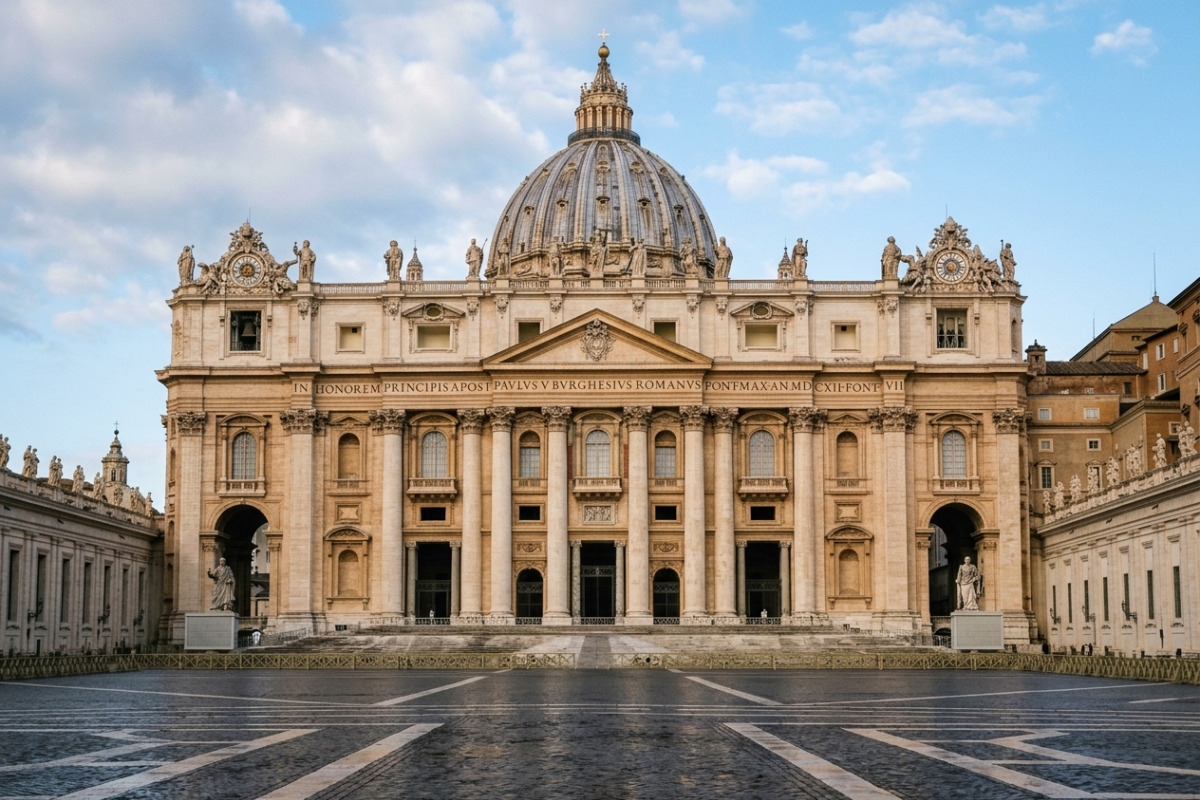
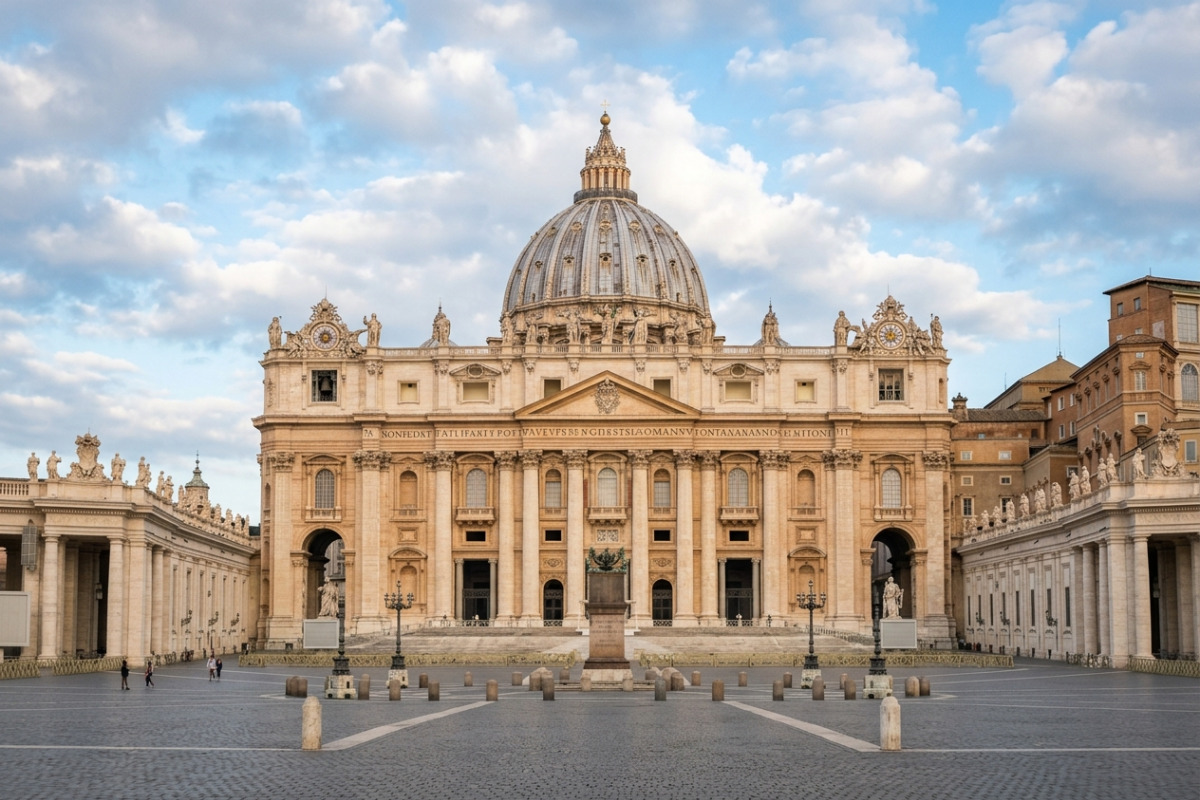
Fast forward to the 16th century, the Basilica underwent a remarkable transformation during the Renaissance. Under the guidance of architects such as Bramante, Michelangelo, and Bernini, the church evolved into the grand structure we see today. Michelangelo’s stunning dome, a defining feature of the skyline, was completed in 1590. This architectural wonder not only symbolizes the heavens but also reflects the ingenuity of Renaissance design.
Artistry Beyond Measure
Within the Basilica’s walls, visitors are treated to masterpieces that narrate biblical stories and celebrate divine beauty. The Pietà, sculpted by Michelangelo, captures the sorrow of Mary holding the lifeless body of Jesus in an astonishing display of emotion and craftsmanship. Each piece of art within the Basilica serves as a window into the past, inviting reflection and reverence.
The Role of Bernini
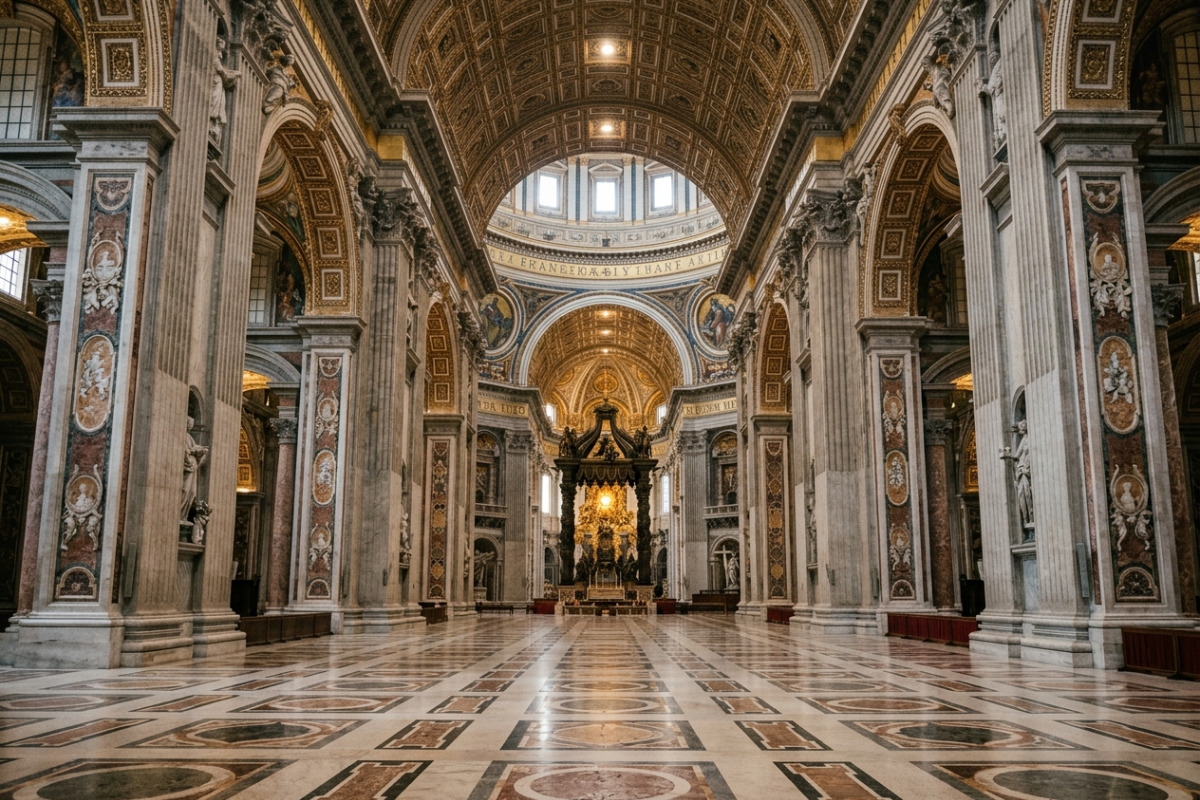
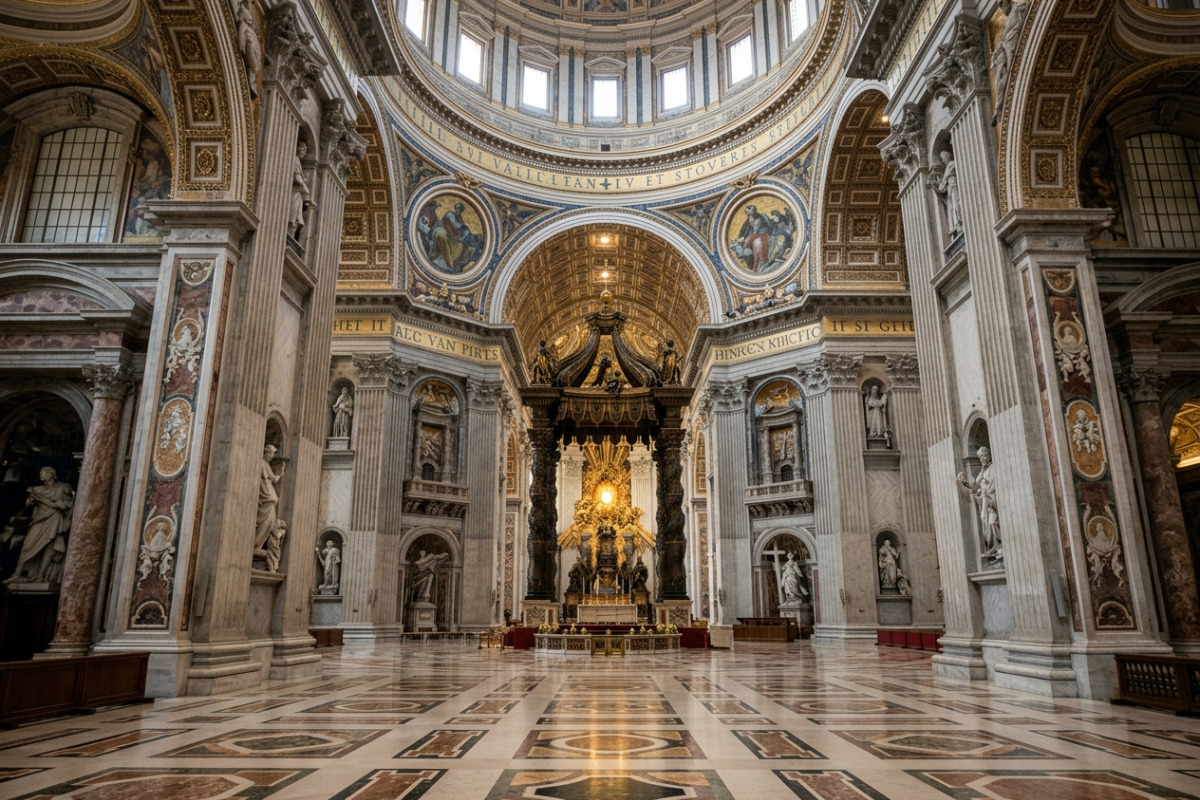
Gian Lorenzo Bernini played a crucial role in shaping the Basilica’s interior, particularly with the construction of the grand Altar of the Confessio. This altar, located above St. Peter's tomb, not only enhances the spiritual experience of the site but also showcases Bernini's unparalleled skill in creating a space that draws visitors into a profound moment of connection with the divine.
Architectural Innovations
The Basilica is not just a place of worship; it’s an engineering marvel. The use of domes and arches demonstrates the advanced understanding of structural integrity during the Renaissance. The Dome of St. Peter's is a prime example, standing tall at 136 meters and offering breathtaking views of the Vatican City from its summit. Climbing to the top is an experience that combines physical exertion with spiritual reward.
Continuing Legacy
Even today, St. Peter's Basilica continues to evolve, balancing modernity with tradition. Restoration projects ensure that this historic site remains vibrant and accessible for future generations. Visitors can explore the Vatican Grottoes and the Necropolis beneath the Basilica, where the layers of history unfold, revealing the sacred ground where many popes have been laid to rest.
Plan Your Visit
For those planning to experience the grandeur of St. Peter's Basilica, it’s essential to prepare for your visit. Check out our Visiting Information for tips on what to expect, including dress codes and best times to visit. Don’t miss the opportunity to witness this architectural wonder in person.
Conclusion
The evolution of St. Peter's Basilica is a story of faith, art, and architectural innovation. Each visit offers a chance to connect with history and spirituality, making it a must-see destination for travelers and pilgrims alike.