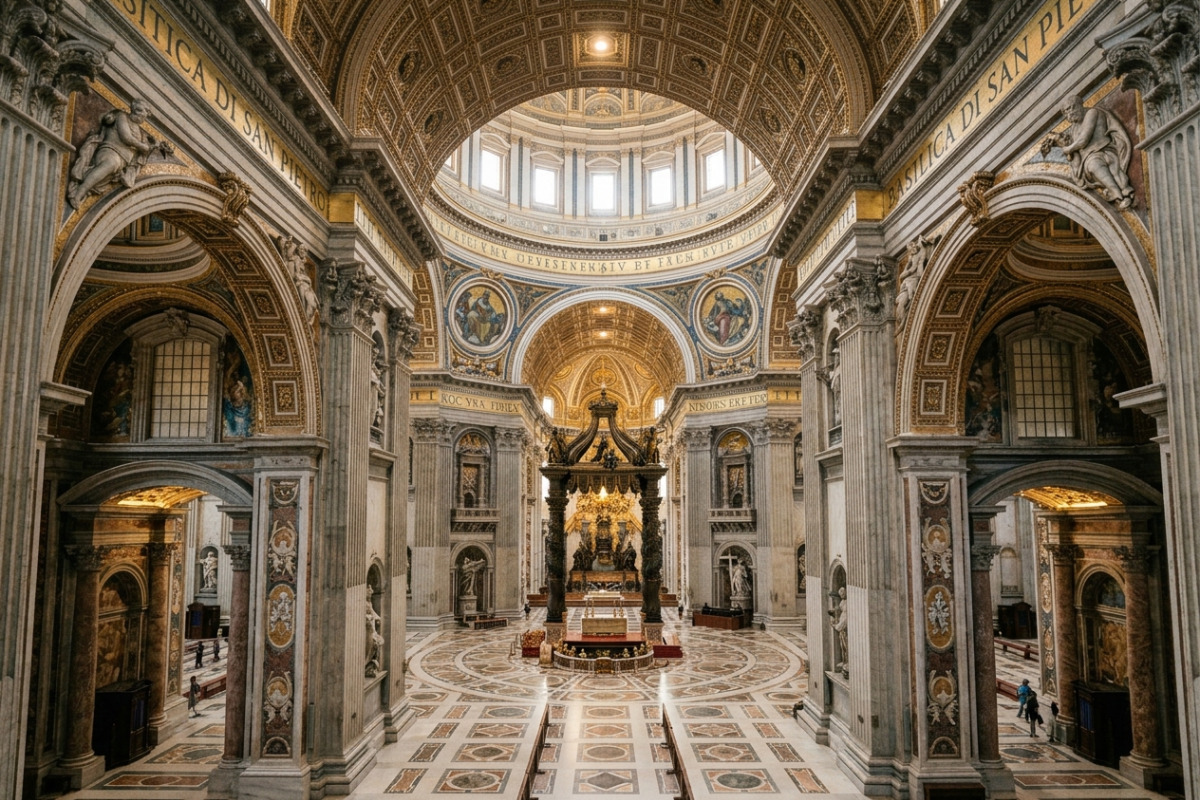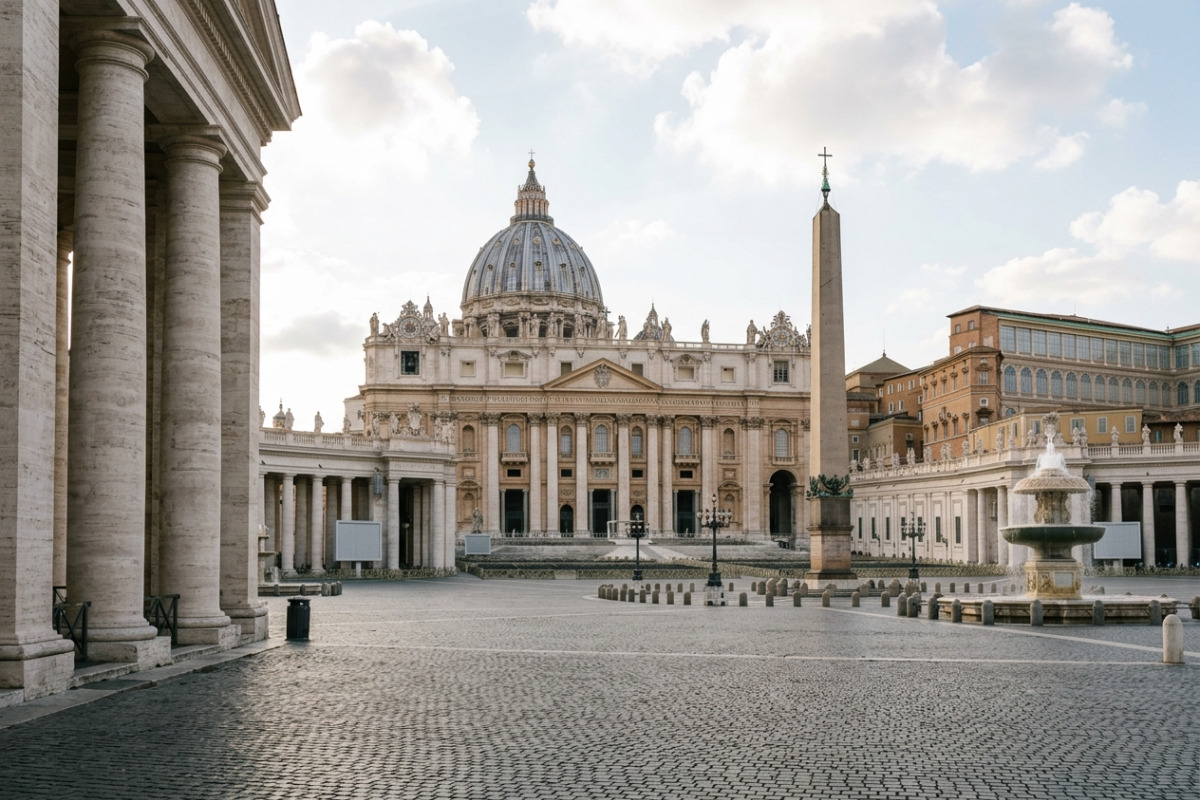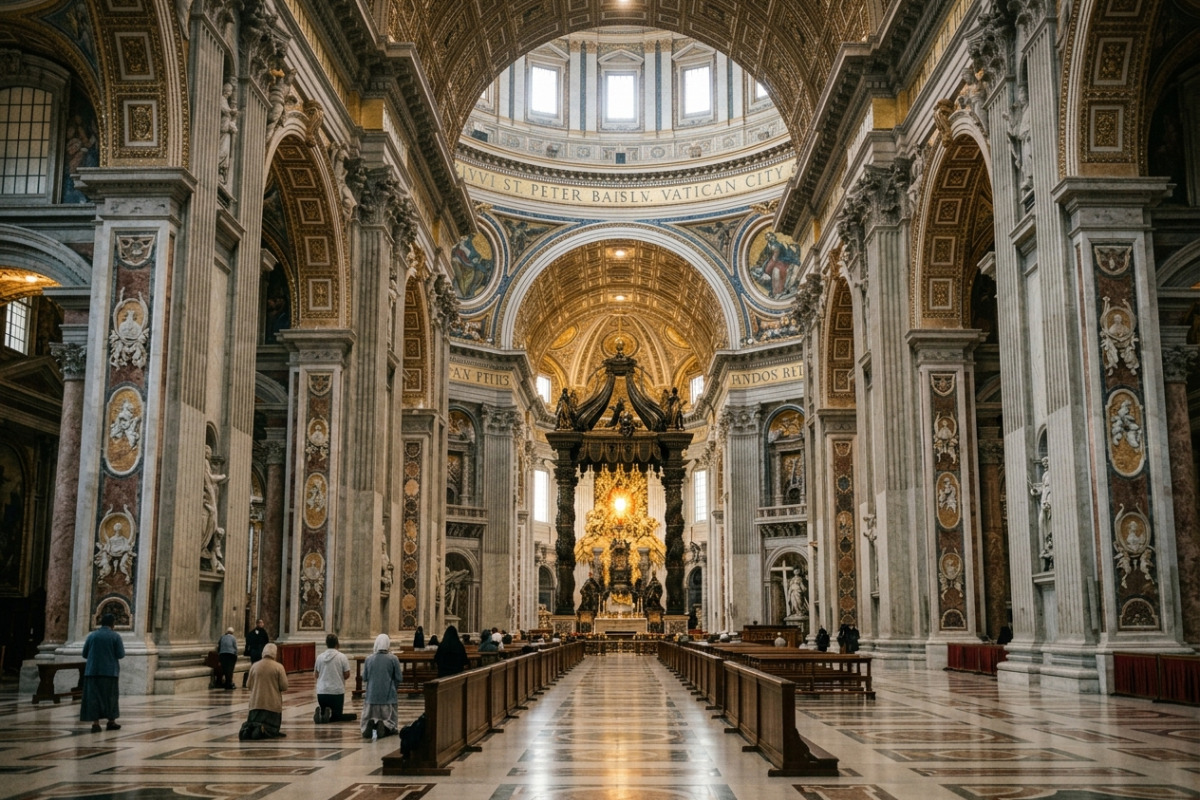
When millions of pilgrims and travelers step into the vast expanse of St. Peter's Basilica, their eyes are almost immediately drawn upward to the soaring heights of the dome or the intricate golden mosaics adorning the ceilings. However, the true foundation of this architectural masterpiece lies not in its Renaissance engineering, but deep underground, hidden in the silence of the earth. Beneath the polished marble floors lies a remarkably preserved Roman burial ground known as the Vatican Necropolis, or the Scavi. This subterranean world offers a stark contrast to the grandeur above, providing a tangible link to the first century and the very origins of Christianity in Rome. For those willing to venture below, the experience is less about artistic splendor and more about touching the raw, unpolished history of an ancient civilization.
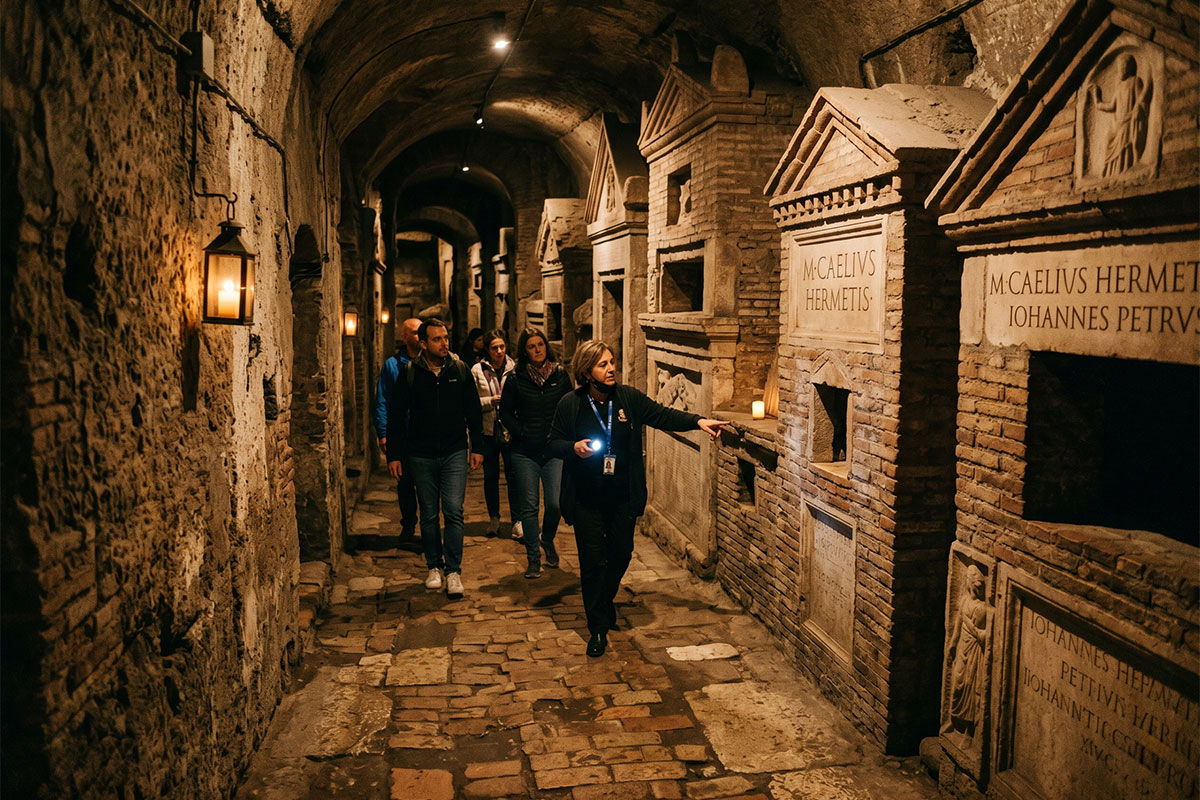
The existence of this underground city was largely a matter of legend and partial historical record until the mid-20th century. Unlike the main basilica, which is open to the public, The Necropolis requires special permission to visit, making it one of the most exclusive and profound experiences in the Vatican. Walking through these narrow, ancient streets, visitors are transported back to a time when this area was an open-air cemetery on the side of Vatican Hill, long before the first stone of the basilica was laid. It is a journey that reveals not just the resting place of the Apostle Peter, but also the complex transition from pagan Rome to the Christian era.
The Origins of the Vatican Necropolis
To understand the significance of the Necropolis, one must look back to the geography of ancient Rome. In the first century AD, the Vatican Hill was located outside the city walls, across the Tiber River. It was an area dominated by the Circus of Nero, where many Christians were martyred, and a nearby cemetery where both pagans and early Christians buried their dead. Roman law forbade burial within the city limits, so these "cities of the dead" grew along the consular roads leading out of Rome. The Vatican Necropolis is a prime example of this, featuring a street of mausoleums that were once under the open sky.
These tombs were owned by wealthy Roman freedmen and their families. The architecture found here is surprisingly intimate and detailed, with brick facades, stucco decorations, and frescoes that have survived for nearly two millennia. What makes this site unique is how it was preserved. When Emperor Constantine decided to build the first basilica over the site of St. Peter's martyrdom in the 4th century, his engineers undertook a massive logistical challenge. Instead of destroying the cemetery, they filled the open-air mausoleums with earth to create a level platform for the church. This act of burying the cemetery inadvertently preserved it like a time capsule, protecting the intricate art and structures from the ravages of time and weather.
The Search for St. Peter's Tomb
The primary motivation for excavating this area in the modern era was the quest to locate the tomb of St. Peter. Tradition had always held that the high altar of the basilica was positioned directly above the Apostle's grave, but physical proof remained elusive for centuries. In the 1940s, Pope Pius XII commissioned a secret archaeological excavation to dig beneath the foundations of the altar. What the archaeologists found changed our understanding of the site forever. They uncovered a complex network of tombs, leading ultimately to a modest grave site surrounded by walls covered in ancient graffiti.
Central to this discovery is the "Red Wall" and a specific niche that contained bones wrapped in purple cloth woven with gold thread. The graffiti found nearby, including the Greek inscription Petros Eni ("Peter is here"), provided compelling evidence that the early Christian community venerated this specific spot as the resting place of the leader of the Apostles. Today, this area is the spiritual heart of the entire Vatican complex. While the magnificent The Altar of the Confessio glows with oil lamps in the basilica above, the humble reality of the earthen grave below offers a deeply moving historical context.
Distinguishing the Necropolis from the Grottoes
A common point of confusion for visitors is the difference between the Vatican Grottoes and the Necropolis. They are two distinct levels beneath the basilica, representing different eras and types of spaces. While many visitors explore the Grottoes freely after their basilica visit, the Necropolis lies much deeper and requires a guided archaeological tour. Understanding this distinction is vital for anyone planning to explore the Basilica thoroughly.
| Feature | The Vatican Grottoes (Papal Tombs) | The Necropolis (Scavi) |
| Depth | Located just below the main floor of the Basilica. | Located roughly 5-12 meters below the Basilica floor. |
| Era | Renaissance to Modern era. | 1st to 4th Century AD (Roman Empire). |
| Access | Generally open to the public without special booking. | Strictly limited; requires advance booking (Scavi Tour). |
| What to See | Tombs of Popes, royal chapels, architectural fragments. | Roman street, pagan mausoleums, St. Peter's Tomb. |
While The Vatican Grottoes serve as a reverent burial place for Popes and royalty, the Necropolis is an active archaeological site. The Grottoes are spacious and relatively well-lit, whereas the Necropolis is tight, humid, and dimly lit to preserve the frescoes. Both are essential, but they offer vastly different perspectives on the history of the Holy See.
Art and Symbolism in the Shadows
The artistic value of the Necropolis is often overshadowed by its religious significance, yet it offers a fascinating glimpse into Roman aesthetics. As you walk the narrow corridors, you will encounter a blend of pagan and Christian imagery. One of the most famous mosaics discovered here depicts Christ as Sol Invictus, the Unconquered Sun, riding a chariot across the sky. This fusion of iconography highlights the transition period where Christian symbolism began to merge with and eventually supersede traditional Roman artistic themes.
Furthermore, the mausoleums of wealthy families like the Julii and the Caetennii display intricate stucco work and sarcophagi that rival pieces found in The Treasury Museum. These tombs were designed as "houses for the eternal sleep," complete with dining scenes and mythological representations. Seeing these artifacts in their original context, rather than behind glass in a museum, provides a visceral connection to the people who lived and died in ancient Rome.
Planning Your Visit to the Depths
Due to the fragile nature of the excavation site, the Vatican Excavations Office limits the number of visitors to roughly 250 per day. This makes the Scavi Tour one of the hardest tickets to secure in Rome. Visitors must request entry months in advance via email or fax to the Excavations Office. Unlike the general entry to the church, you cannot simply line up on the day of your visit. For those organizing their trip, checking Tickets & Tours information early is crucial to understand the booking procedures for different parts of the Vatican.
When preparing for this tour, keep the following practicalities in mind:
- Dress Code: The same strict dress code applies here as in the main basilica. Shoulders and knees must be covered.
- Physical Requirements: The environment is humid and the spaces are narrow. It is not recommended for those who suffer from claustrophobia or have difficulty walking.
- Age Restrictions: Children under 15 are generally not permitted on the Scavi tour due to the delicate nature of the site.
- Photography: Unlike in the main basilica or The Dome, photography is strictly prohibited inside the Necropolis to protect the ancient pigments.
Connecting the Underground to the Heights
A visit to the Necropolis provides the perfect foundation—quite literally—for appreciating the rest of St. Peter's Basilica. Once you emerge from the dark, quiet excavations, the immense scale of the basilica above takes on new meaning. You realize that the massive dome designed by Michelangelo is not just floating in the sky; it is centered precisely over that humble grave you saw deep in the earth. To fully grasp this architectural alignment, many visitors choose to climb the dome immediately after their underground tour.
For a comprehensive understanding of the art you see after emerging, such as Michelangelo's Pietà or the incredible mosaic work, using the Audio Guide App is highly recommended. It helps bridge the gap between the archaeological history below and the Renaissance splendor above. Additionally, if the intricate tile work in the Necropolis fascinated you, a visit to The Mosaic Studio offers insight into how the Vatican continues to preserve and create mosaic art today, maintaining a tradition that stretches back to the floors of those ancient Roman tombs.
The Necropolis beneath St. Peter's Basilica is more than just a tourist attraction; it is a pilgrimage into history. It strips away the gold and marble to reveal the human stories and spiritual convictions that built one of the world's greatest monuments. Whether you are a history buff, an archaeology enthusiast, or a spiritual seeker, the silence of the Scavi speaks volumes about the endurance of faith and memory across millennia. Before you travel, be sure to Plan Your Visit carefully to ensure you don't miss this hidden dimension of the Vatican.