Stepping into Vatican City is more than just crossing a border into the world's smallest state; it is an immersion into a centuries-old dialogue between humanity and the divine, written in stone, marble, and gold. For travelers visiting in January 2026, the crisp Roman air often clears the sky, allowing the sun to illuminate the architectural marvels that have inspired pilgrims for generations. The architecture here does not merely serve a functional purpose; it tells a story of devotion, power, and artistic genius. Every column, arch, and dome reflects a rich history and spiritual significance that transcends time.
The visual journey usually begins in St. Peter's Square, where Bernini’s massive colonnades embrace visitors like open arms. However, the true heart of this architectural sanctuary lies beyond the heavy bronze doors. To truly understand the magnitude of what human hands have built here, one must look past the sheer size of the structures and observe the divine inspiration behind each design choice. Whether you are an art historian or a curious traveler, the Vatican offers a masterclass in Renaissance and Baroque brilliance.
The Grandeur of St. Peter's Basilica
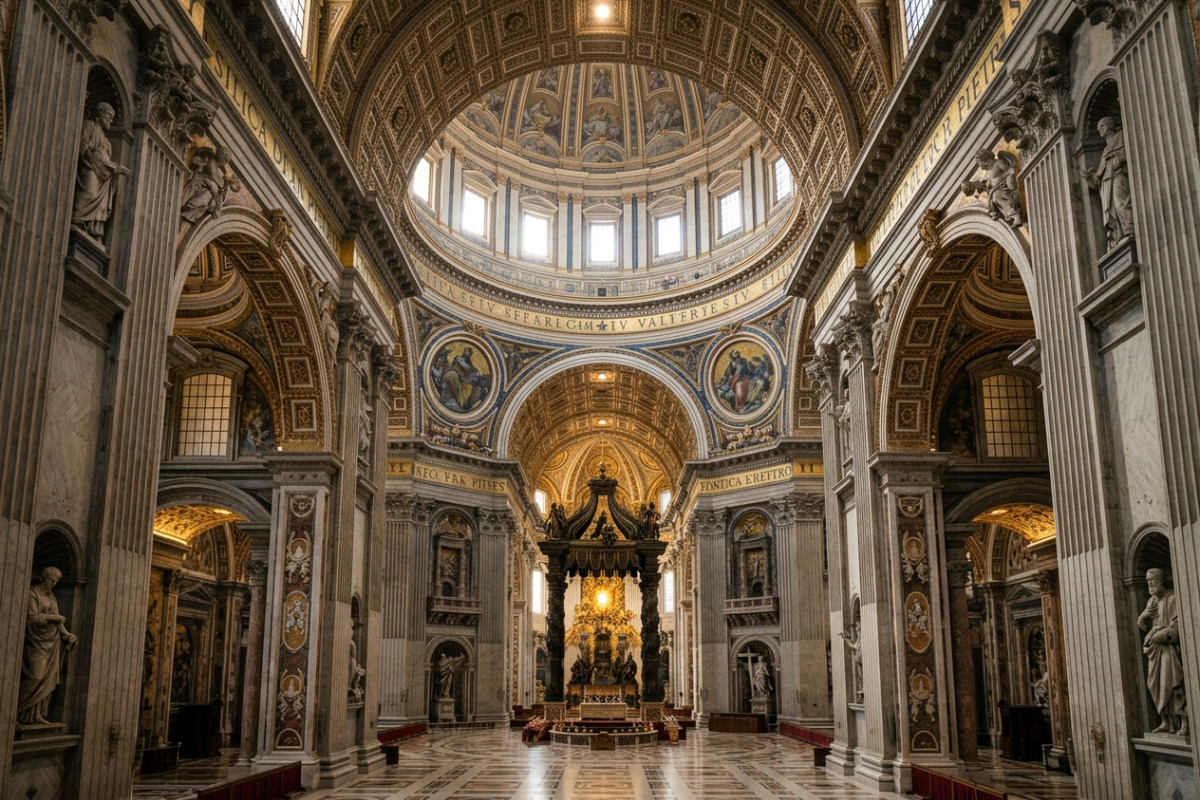
St. Peter's Basilica is not just a church; it is one of the most renowned works of Renaissance architecture and the largest church in the world by interior measure. Designed principally by Donato Bramante, Michelangelo, Carlo Maderno, and Gian Lorenzo Bernini, the basilica represents the pinnacle of artistic achievement. As you explore the Basilica, you are walking through a timeline of architectural evolution where the greatest minds of their eras competed and collaborated to create a dwelling fit for the Vicar of Christ.
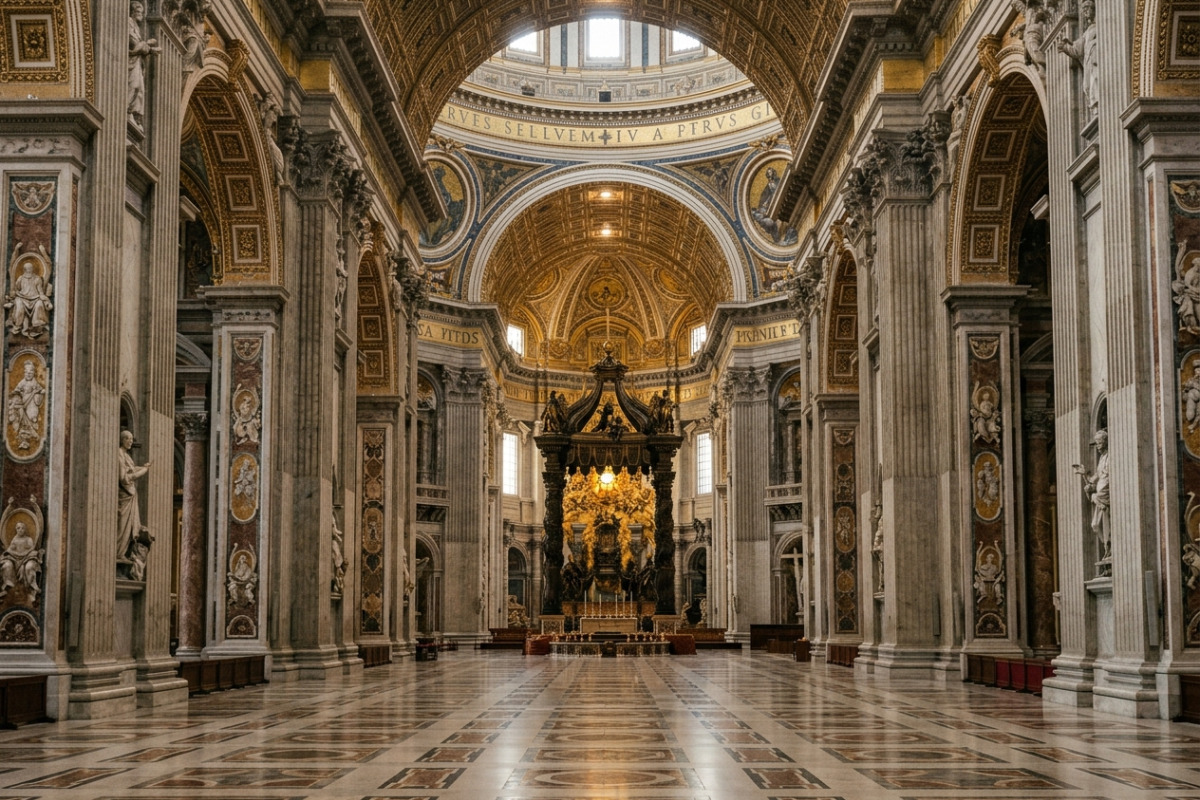
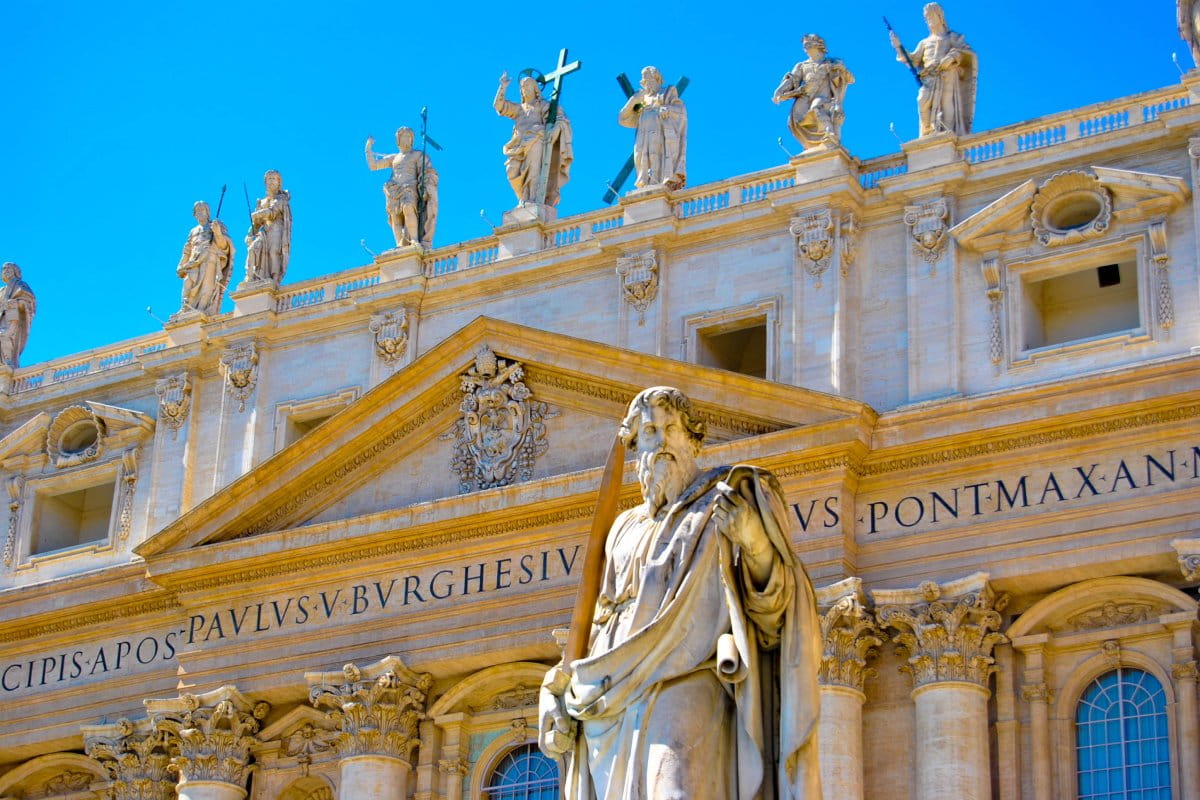
The façade, designed by Maderno, stretches wide across the square, preparing visitors for the breathtaking volume of the nave inside. Once you cross the threshold, the scale becomes almost incomprehensible. The interior is a wash of polychrome marble, gilding, and monumental sculpture. It is here that architecture and theology merge; the vastness is intended to make the human spirit feel small in the presence of the divine, yet uplifted by the beauty of the creation. Consider, for instance, the sheer number of chapels and altars, each a testament to a specific saint or event, adding layers of meaning and artistic expression to the overall design.
Michelangelo’s Dome: A Beacon of Hope
Perhaps the most iconic silhouette in the Roman skyline is the majestic dome designed by Michelangelo. It is a marvel of engineering and aesthetics, rising to a height of 136 meters. Michelangelo took over the project in his 70s, refining Bramante’s original design to create a structure that feels both weightless and imposing. The double-shell construction, a feat of engineering for its time, allows for both structural integrity and a visually stunning interior. For those willing to make the climb, The Dome offers not only a closer look at the stunning mosaics lining its interior but also a panoramic view of the Vatican Gardens and the city of Rome, symbolizing the church watching over the world.
Sacred Artistry Within the Walls
The architecture of the Basilica frames some of the world's most emotional artistic treasures. Immediately to the right of the entrance, housed in its own chapel, is Michelangelo's Pietà. This sculpture is a perfect example of how marble can be transformed into soft flesh and flowing fabric. The architectural setting of the chapel allows the natural light to play across the sorrowful face of the Virgin Mary, enhancing the spiritual impact of the piece.
Further into the nave, the architecture centers around the Papal Altar. Rising above it is Bernini’s spectacular bronze Baldachin, a pavilion-like structure that marks the site of St. Peter's tomb below. This baroque masterpiece acts as a visual bridge between the human scale of the congregation and the soaring height of the dome. The twisting columns, adorned with bronze leaves and bees (the Barberini family symbol), exemplify Bernini's dramatic flair. Directly beneath this lies The Altar of the Confessio, a sunken chapel that glows with the light of ninety-nine oil lamps, drawing the eye down to the sacred roots of the building.
The Intricate Designs of the Apostolic Palace
While the Basilica commands attention with its size, the Apostolic Palace impresses with its complexity and intricate detail. Serving as the official residence of the Pope, this complex of buildings is a labyrinth of apartments, museums, and chapels. The architecture here shifts from the grand public statements of the Basilica to more intimate, yet equally lavish, expressions of faith and authority.
The palace is a collection of buildings constructed at different times, resulting in a fascinating blend of styles. From the medieval fortified wings to the airy Renaissance loggias painted by Raphael, the palace reflects the changing tastes and political fortunes of the Papacy. The walls here do not just hold up the roof; they serve as canvases for some of the most important frescoes in Western art history. The Sala Regia, for example, served as a reception hall for kings and ambassadors, its architecture designed to impress with its grandeur and symbolic imagery.
- The Raphael Rooms: These four rooms (Stanze di Raffaello) showcase the High Renaissance ideal of harmony and balance within architectural space. The School of Athens, perhaps the most famous fresco within these rooms, depicts a gathering of philosophers and scientists, reflecting the Renaissance interest in classical learning.
- The Borgia Apartments: Known for their intricate frescoes and complex iconography, reflecting the specific tastes of Pope Alexander VI. The frescoes, painted by Pinturicchio, are filled with symbolic imagery and reflect the Pope's interest in classical mythology and Renaissance art.
- The Sistine Chapel: While famous for its painting, the chapel’s architecture is a reconstruction of the Temple of Solomon’s dimensions, bridging the Old and New Testaments. The chapel's rectangular shape and barrel-vaulted ceiling provide the perfect canvas for Michelangelo's masterpiece.
Layers of History: What Lies Beneath
Vatican architecture is not solely about what reaches for the sky; it is also about the foundations laid deep within the earth. To understand the structural and spiritual base of the Vatican, one must descend below the marble floors. The architectural journey continues into The Vatican Grottoes, a vast underground crypt containing the tombs of kings, queens, and popes. The architecture here is somber and respectful, with low vaulted ceilings and ancient masonry that contrasts sharply with the baroque splendor above. The grottoes offer a tangible connection to the past, allowing visitors to walk among the tombs of popes who shaped the history of the Church.
For those seeking the ultimate historical connection, a visit to The Necropolis (Scavi) is essential. This ancient Roman burial ground lies even deeper, revealing the brick and earth streets of the dead that St. Peter's Basilica was built upon. It is a humbling architectural experience to see the humble origins upon which the immense grandeur of the Vatican rests. The Necropolis provides a unique glimpse into the lives and beliefs of the people who lived in Rome before Christianity became the dominant religion.
Preservation and Craftsmanship
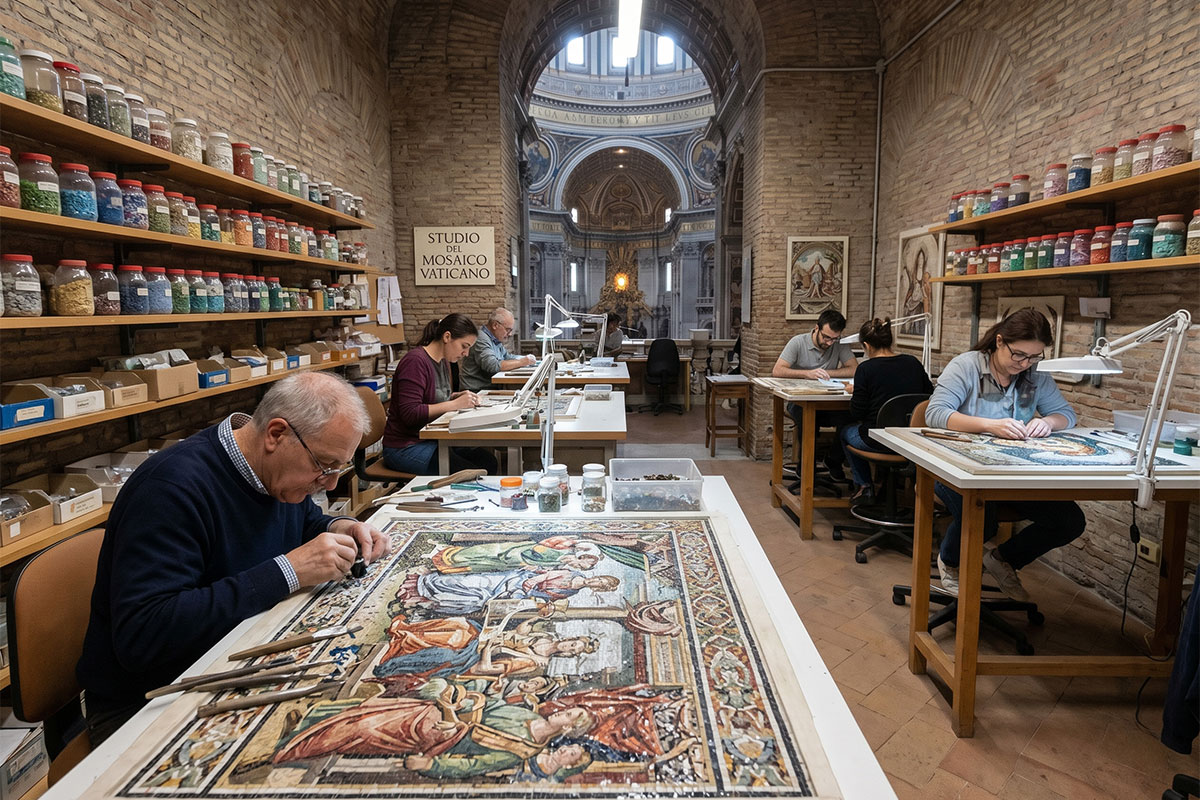
The maintenance of such architectural splendor requires centuries of dedication. The Vatican is home to unique workshops that keep these traditions alive. The Mosaic Studio is one such hidden gem where artisans continue to create and restore the intricate mosaics that adorn the Basilica’s domes and altars. Unlike frescoes, which can fade, the mosaic architecture was chosen for its durability, ensuring the imagery lasts for eternity. The studio uses a vast array of colored glass and stone tesserae to create these stunning works of art.
Additionally, the history of the building's adornments can be viewed in The Treasury Museum. Here, columns, statues, and liturgical objects that were part of the original 4th-century Constantinian basilica are preserved, offering a glimpse into the architectural past that preceded the current Renaissance structure. Among the treasures are ancient reliquaries, papal vestments, and architectural fragments that tell the story of the Basilica's evolution.
Architectural Evolution at a Glance
To better understand the timeline of these masterpieces, consider the contributions of the key architects involved:
| Architect | Key Contribution | Style |
| Donato Bramante | Original plan for the new St. Peter's (Greek Cross layout). | High Renaissance |
| Michelangelo | Design of the massive Dome and strengthening of the central piers. | Renaissance |
| Carlo Maderno | Extension of the nave (Latin Cross) and the main façade. | Early Baroque |
| Gian Lorenzo Bernini | St. Peter's Square colonnades, the Baldachin, and interior decoration. | Baroque |
Planning Your Visit to the Vatican
Witnessing these architectural feats requires some planning, especially given the popularity of the site. To ensure a seamless experience, it is highly recommended to review the Plan Your Visit page before you arrive. Understanding the dress code and entry requirements is crucial for entering these sacred spaces.
To truly appreciate the nuances of the design—from the optical illusions of the colonnades to the structural secrets of the dome—utilizing the Audio Guide App can enrich your tour significantly. It provides the narrative context that stone and mortar cannot convey on their own. For access to specific areas like the Dome or the Treasury, securing your Tickets & Tours in advance is the best way to avoid long lines and maximize your time soaking in the atmosphere.
If you have specific concerns about accessibility or logistics, the Frequently Asked Questions section is an invaluable resource. Whether you are there for the faith, the history, or the sheer aesthetic pleasure, the architecture of the Vatican stands as a timeless testament to what humanity can achieve when inspired by the divine.