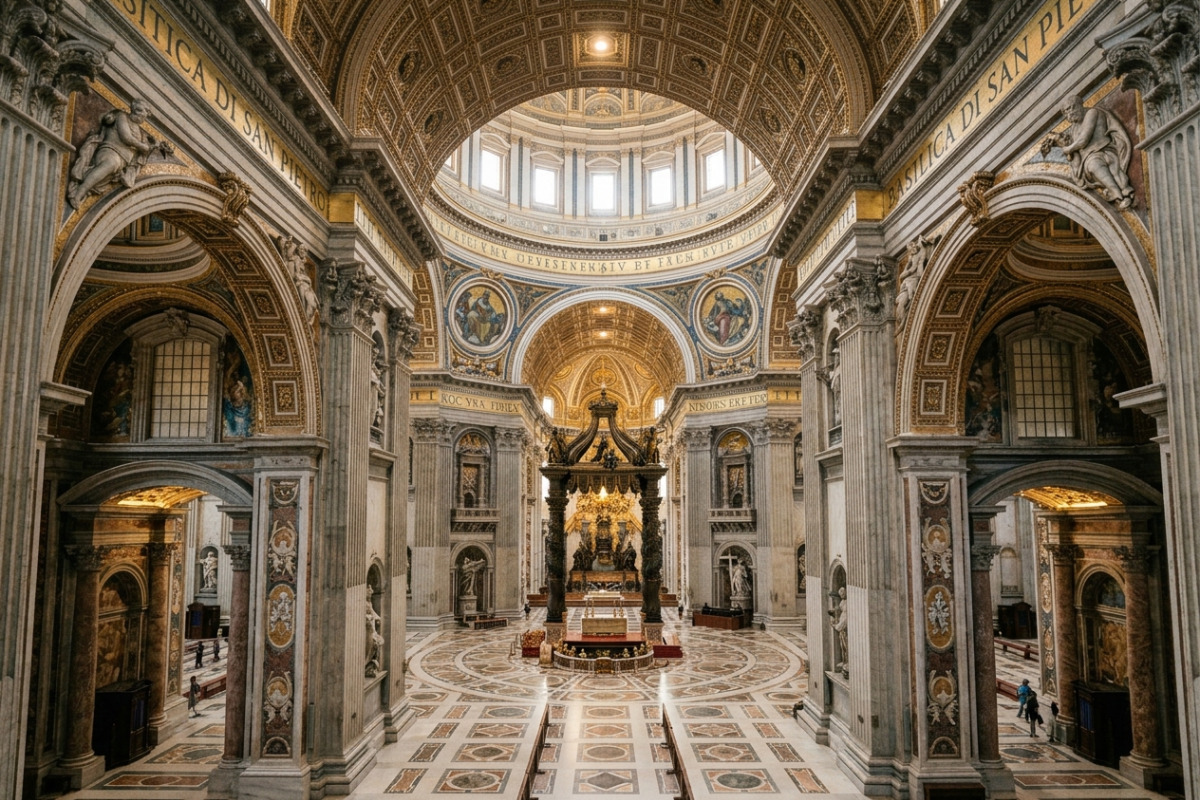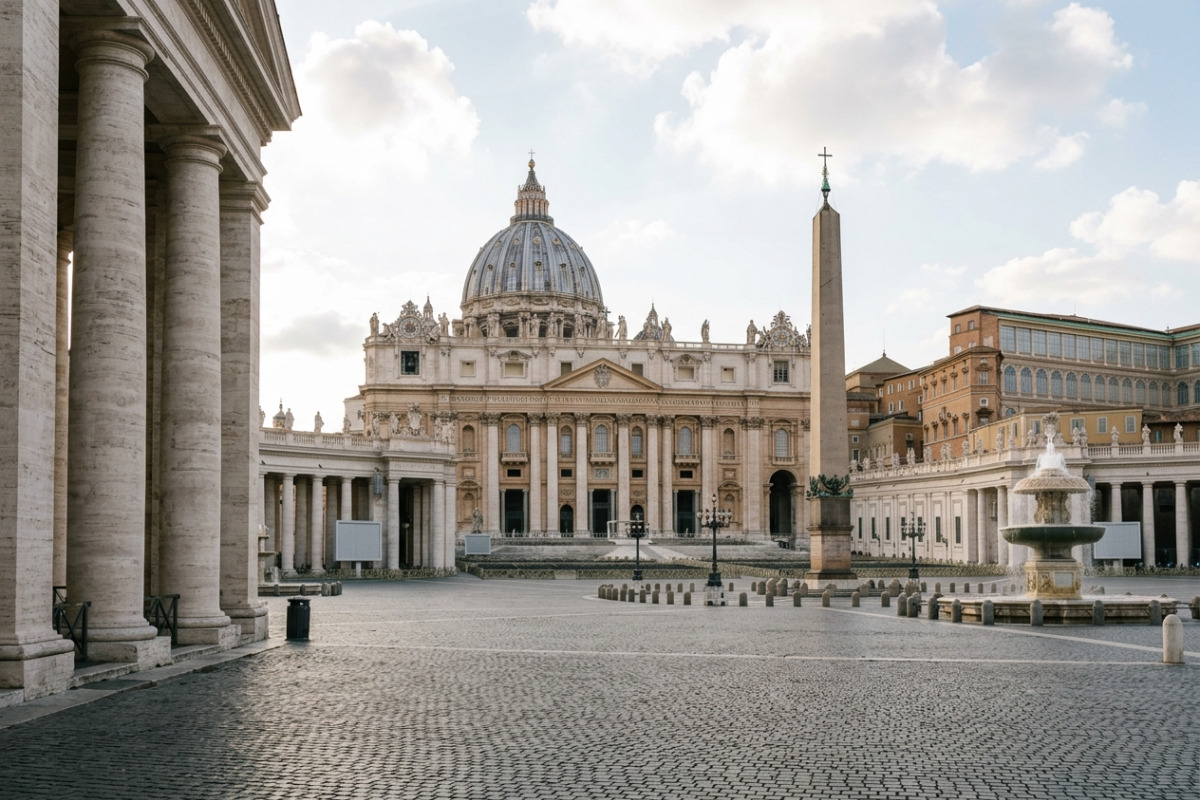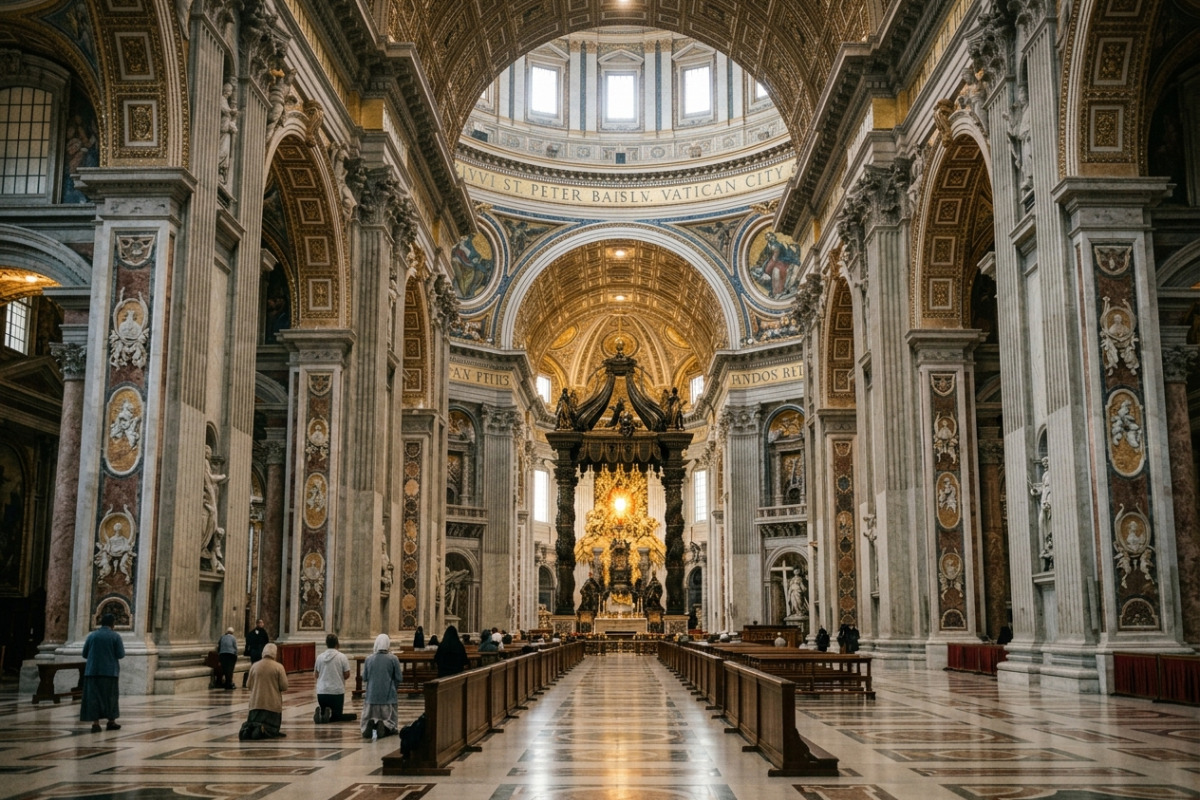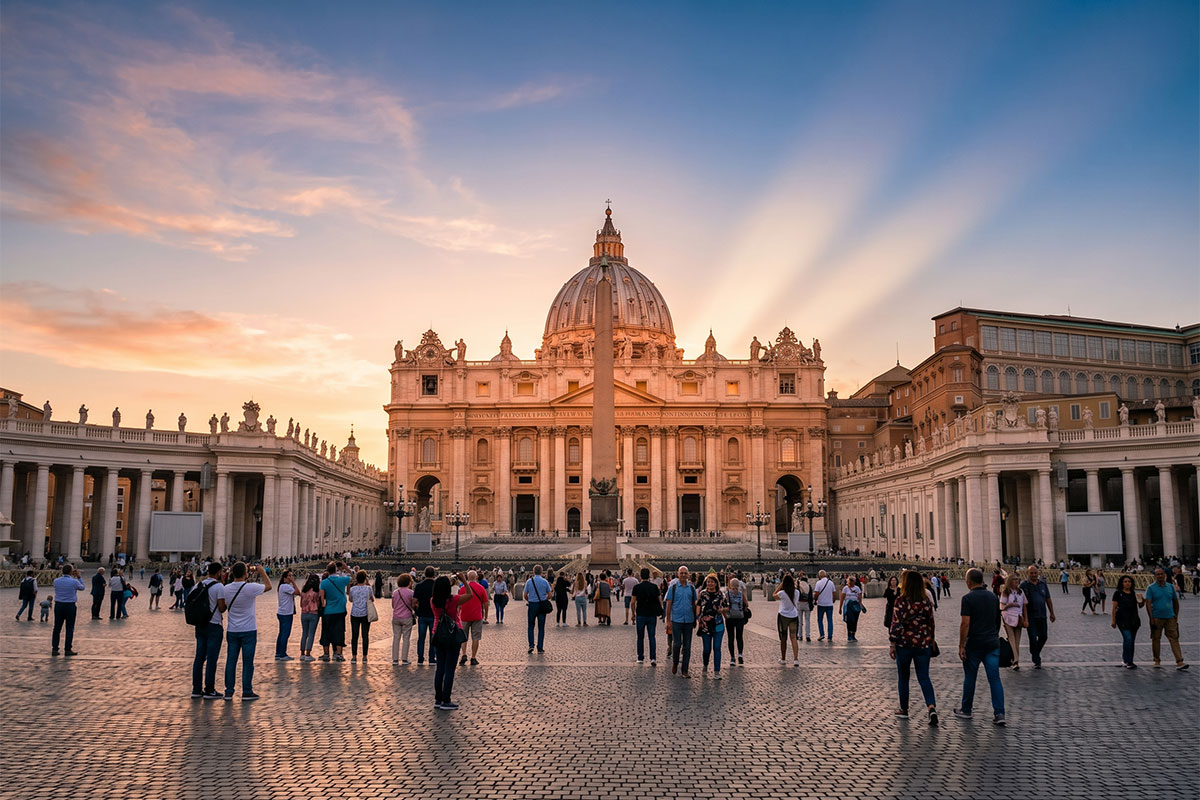
When we think of the Vatican, images of Renaissance art, the towering dome of St. Peter's, and the Swiss Guard often come to mind first. However, beyond the architectural splendor and the historical weight of the Holy See, there exists a powerful intellectual and spiritual force that ripples outward into the secular world: the Papal Encyclical. As we navigate the complex social and environmental landscape of January 2026, the relevance of these documents has never been more pronounced. These are not merely theological treatises intended for clergy; they are profound calls to action that address the most pressing issues of our time, from the climate crisis to the fundamental rights of workers.
To truly understand the heartbeat of the Catholic Church, one must look beyond the stone walls and into the written words that have guided generations. While millions flock to Rome to Tickets & Tours to witness the physical grandeur of the Basilica, the intellectual heritage contained within encyclicals offers a different kind of monument—one built of moral courage and ethical guidance. These letters serve as a compass for the faithful and a challenge to world leaders, proving that an institution with ancient roots can be a leading voice in modern progress.
Understanding Papal Encyclicals: More Than Just Letters
Technically, an encyclical is a pastoral letter written by the Pope and sent to the whole group of bishops and, by extension, to all the faithful. However, in the modern era, the audience has expanded significantly. Since the mid-20th century, Popes have increasingly addressed these letters to "all people of good will," acknowledging that issues like peace, human rights, and environmental stewardship transcend religious boundaries. They are the highest form of papal teaching document, distinct from apostolic exhortations or simple homilies, carrying significant magisterial weight.
The creation of an encyclical is a meticulous process, often reflecting years of observation and theological reflection. They are designed to interpret the signs of the times through the lens of faith. For visitors planning to Plan Your Visit to the Vatican, understanding this context enriches the experience. It transforms the site from a mere tourist destination into the epicenter of a global moral dialogue. The words penned by the successors of Peter echo the sentiments of the very foundation upon which the Basilica stands.
A Brief History of Papal Encyclicals
While papal letters and pronouncements have existed for centuries, the formal structure of the encyclical as we know it today began to take shape in the 18th and 19th centuries. Early encyclicals often addressed doctrinal issues and challenges to the Church's authority. However, with the Industrial Revolution and the rise of new social and political ideologies, Popes began to use encyclicals to engage with the pressing social issues of the day. Rerum Novarum (1891), as detailed later, is a landmark example of this shift, marking the Church's formal entry into the discourse on labor rights and economic justice. This evolution reflects the Church's ongoing effort to apply timeless principles to the ever-changing realities of the world.
The Green Revolution: Laudato Si' and Climate Action
Perhaps no encyclical in recent history has had a more tangible impact on secular society than Pope Francis's Laudato Si' (2015). Subtitled "On Care for Our Common Home," this document radically shifted the conversation regarding environmentalism. It moved the debate from purely scientific or political realms into the sphere of morality and spiritual obligation. The Pope argued that destroying the environment is a sin against creation and the poor, who suffer most from climate degradation.
The impact of this document continues to be felt today. It provided a moral vocabulary for climate activists and influenced international policy frameworks, including the Paris Agreement. Just as visitors climb to The Dome to gain a panoramic view of Rome, Laudato Si' invites humanity to take a step back and view our planet holistically. It urges us to see the interconnectedness of all life, emphasizing that we cannot have social justice without environmental justice.
- Integral Ecology: The concept that human and environmental health are inseparable.
- Critique of Consumerism: A call to abandon the "throwaway culture" that plagues modern society.
- Global Solidarity: The responsibility of wealthier nations to assist developing countries in sustainable transition.
Human Rights and Social Justice in a Globalized World
Long before the modern focus on globalization, the Vatican was addressing the rights of the common person. The tradition of "Catholic Social Teaching" is deeply rooted in encyclicals that champion human dignity. When one stands before Michelangelo's Pietà, the sorrow and compassion carved into the marble reflect the Church's historic concern for the suffering. This compassion is codified in texts like Fratelli Tutti (2020), which was released during a global pandemic to remind the world of our shared humanity.
Fratelli Tutti challenges the rise of isolationism and populism, advocating instead for social friendship and a culture of encounter. It addresses migration, the death penalty, and the ethics of war, arguing that we are all travelers on the same journey. This mirrors the experience of pilgrims who visit The Altar of the Confessio, a place that symbolizes the unity of the church built over the tomb of St. Peter. These teachings push the faithful to look beyond borders and recognize the face of God in every stranger.
Key Encyclicals That Shaped the Modern Era
To appreciate the breadth of these teachings, it is helpful to look at the timeline of major documents that have confronted the specific challenges of their respective eras. The following table highlights pivotal encyclicals that redefined the Church's relationship with society:
| Encyclical Name | Pope | Year | Primary Focus |
| Rerum Novarum | Leo XIII | 1891 | Workers' rights, fair wages, and the critique of unbridled capitalism and socialism. |
| Pacem in Terris | John XXIII | 1963 | Peace, nuclear disarmament, and human rights during the Cold War. |
| Evangelium Vitae | John Paul II | 1995 | The sanctity of human life, addressing bioethics, abortion, and euthanasia. |
| Laudato Si' | Francis | 2015 | Environmental stewardship and climate change as a moral crisis. |
| Fratelli Tutti | Francis | 2020 | Global fraternity, social friendship, and the rejection of isolationism. |
The Role of St. Peter's Basilica in Disseminating Truth
St. Peter's Basilica is not merely a venue for liturgy; it is the physical platform from which these messages are often broadcast to the world. The architecture itself reinforces the messages found in the encyclicals. For instance, the intricate work found in The Mosaic Studio represents the detailed, patient work required to build a just society—piece by piece, ensuring every individual has a place in the greater picture.
Furthermore, the continuity of the papacy, represented by the tombs of past pontiffs in The Vatican Grottoes, reminds us that these teachings are part of a long lineage of wisdom. When a Pope writes an encyclical, he is standing on the shoulders of his predecessors, adding a new layer of understanding to ancient truths. Utilizing the Audio Guide App during a visit can help contextualize this history, explaining how the art and architecture around you have inspired the very documents that guide modern Catholic thought.
Bridging the Gap: From Theory to Practice
The true power of an encyclical lies not in its publication, but in its reception. How do these high-level theological documents translate into daily life? Across the globe, Catholic charities, schools, and healthcare systems use these texts as blueprints for their operations. They inspire local parishes to start recycling programs, encourage nations to welcome refugees, and motivate individuals to fight for fair labor practices. The treasures of the Church are not just gold and silver found in The Treasury Museum, but the actions of the faithful inspired by these letters.
In a world often driven by profit and efficiency, encyclicals introduce a disrupting variable: love. They force a pause in the relentless machinery of modern life to ask, "Is this just?" and "Does this serve the common good?" By exploring the various sections of the Basilica, one can see the physical manifestation of this devotion, but the encyclicals represent the living, breathing spirit that animates the stone.
The Enduring Legacy of the Petrine Ministry
As we move further into the 21st century, the voice of the Pope, articulated through encyclicals, remains a crucial counter-cultural force. Whether addressing the ethics of artificial intelligence, as Pope Francis has done in various addresses and speeches, or the ongoing climate crisis, these letters ensure that technological and social progress does not outpace moral development. They remind us that at the center of all policy and progress must be the human person. For example, the Vatican has recently hosted conferences on responsible AI development, echoing the themes of human dignity and the common good found in encyclicals like *Fratelli Tutti*.
For those interested in the roots of this authority, a visit to The Necropolis offers a humbling perspective. Here, deep beneath the altar, lies the tomb of Peter, the fisherman who started it all. The encyclicals of today are the direct descendants of his first sermons, continuing a two-thousand-year-old conversation about what it means to live a good life. They are an invitation to everyone—believer and non-believer alike—to build a world grounded in justice, peace, and love.