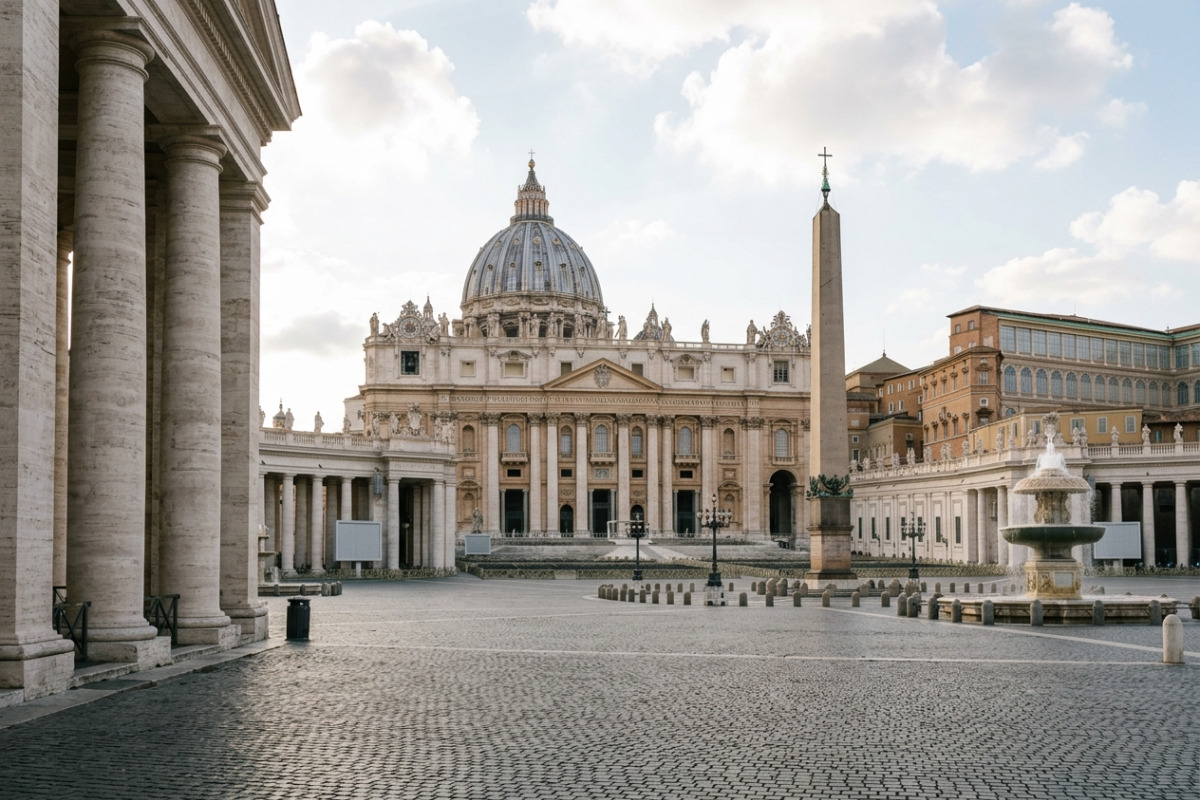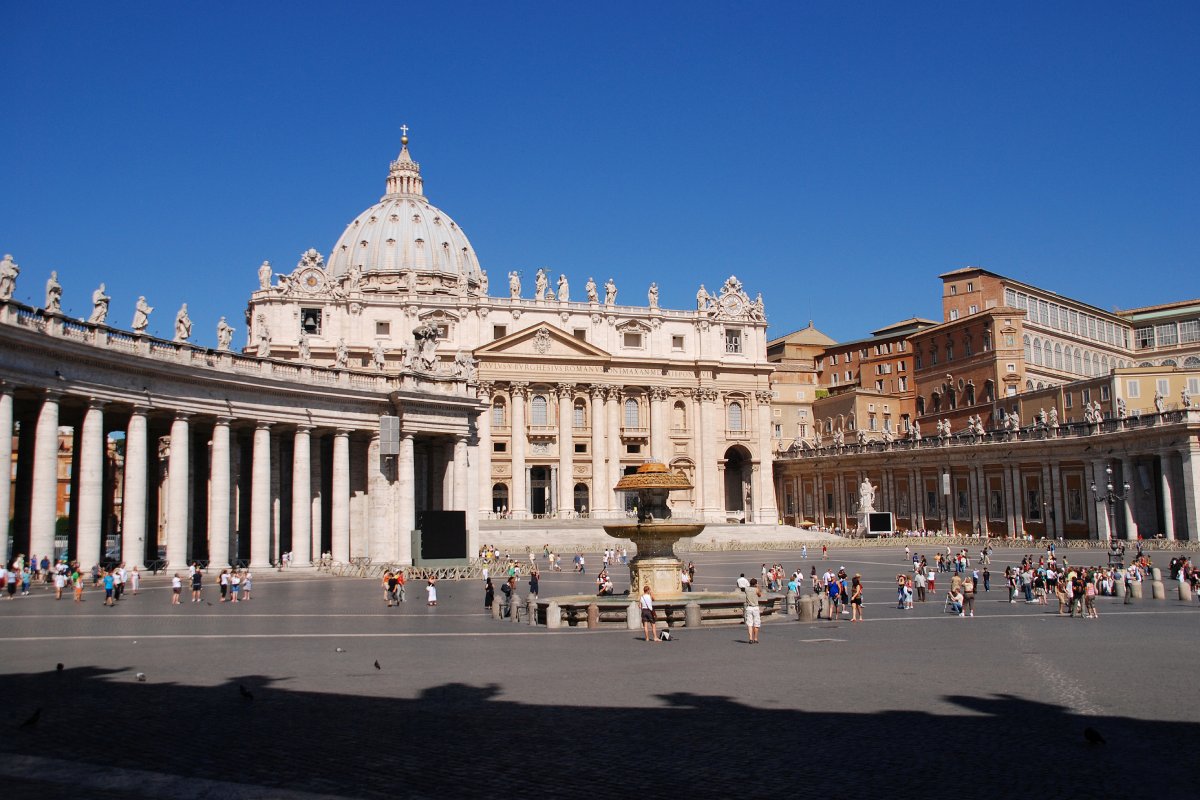
Stepping into St. Peter's Square is a breathtaking experience for anyone, but doing it with children in tow adds a whole new layer of adventure—and, let's be honest, a little bit of logistical anxiety. The sheer scale of the Vatican can be overwhelming for little ones, and the crowds can be daunting for parents pushing strollers. However, St. Peter's Basilica is not just a solemn religious site; it is a treasure trove of stories, massive statues, and climbable domes that can captivate imaginations of all ages. With the right preparation and a relaxed mindset, visiting this architectural marvel in January 2026 can be one of the highlights of your Roman holiday. This guide is designed to help you navigate the world’s largest church with ease, ensuring both you and your children leave with wonderful memories rather than just tired feet.
Planning Your Family Pilgrimage
The key to a successful family trip to the Vatican is timing. Rome is a bustling metropolis year-round, and St. Peter's is its spiritual heart. To avoid the longest queues, which can quickly drain a child's energy, try to arrive as early as possible, ideally right when the Basilica opens. If early mornings are a struggle with teenagers or toddlers, late afternoons can also see a dip in crowd levels. Before you even pack your bags, it is crucial to review the logistics. We highly recommend visiting the Plan Your Visit page to check current opening hours and any special liturgical events that might restrict access. Nothing dampens spirits faster than arriving to find the doors closed for a private ceremony.
While entry to the main floor of the Basilica is generally free, the lines to get through security can be incredibly long. For families, standing in line for an hour or more is often the hardest part of the day. To mitigate this, many savvy parents opt for guided options that streamline the process. You can explore various Tickets & Tours that might offer dedicated entry or combine the Basilica with other Vatican museums. Having a scheduled entry time provides structure to your day and minimizes the "are we there yet?" questions before you've even entered the building.
Navigating Logistics: Strollers, Security, and Amenities
One of the most common questions parents ask is about mobility. The good news is that St. Peter's Basilica is surprisingly accessible. You are permitted to bring strollers into St. Peter's Square and the main level of the Basilica. There are ramps located to the right of the facade that allow you to bypass the steps. However, be prepared for airport-style security checks. You will need to fold your stroller to put it through the X-ray machine, so pack light and avoid burying essential items at the bottom of the buggy. If you have specific concerns about what you can carry, the Frequently Asked Questions section is a great resource for clarifying bag size limits and prohibited items.
Once inside, the vast open space is great for kids, but remind them that this is a place of worship. Voices need to be kept to a whisper. If you need a bathroom break, facilities are located near the bag check area outside the main Basilica and near the bookshop. It is wise to use these before entering the main nave, as exiting and re-entering requires going through security again. For nursing mothers or parents needing a quiet moment, the vastness of the side aisles often offers a bit of respite from the main flow of tourists.
The Dome Climb: An Adventure for Little Legs
For many families, the highlight of the visit is the ascent to the Cupola. This is an exciting adventure, but it requires an honest assessment of your family's stamina. The Dome offers two options: climbing all 551 steps or taking an elevator part of the way and climbing the remaining 320 steps. If you are visiting with children under 7 or 8, the elevator is a non-negotiable lifesaver. It deposits you on the roof level, where you can walk around the base of the dome and get a close-up look at the mosaics.
The final climb from the roof to the lantern involves a narrow, spiraling staircase that leans inward. It is thrilling for older kids and teens but can be claustrophobic and difficult for carrying toddlers or managing young children who are afraid of enclosed spaces. Strollers must be left at the designated area before the elevator; they cannot go up. However, the view from the top, overlooking the keyhole shape of the square and the sprawling city of Rome, is an unforgettable reward that usually makes the physical effort worth it.
Engaging Kids Inside the Basilica
Once you are on the main floor, the goal is to keep children engaged without overwhelming them with dates and historical facts. Turn your visit into a treasure hunt. Start immediately to your right with Michelangelo's Pietà. Although it is behind bulletproof glass, you can challenge your kids to look at how the marble seems to turn into soft fabric. Ask them to spot the strap across Mary's chest—the only place Michelangelo ever signed his name.
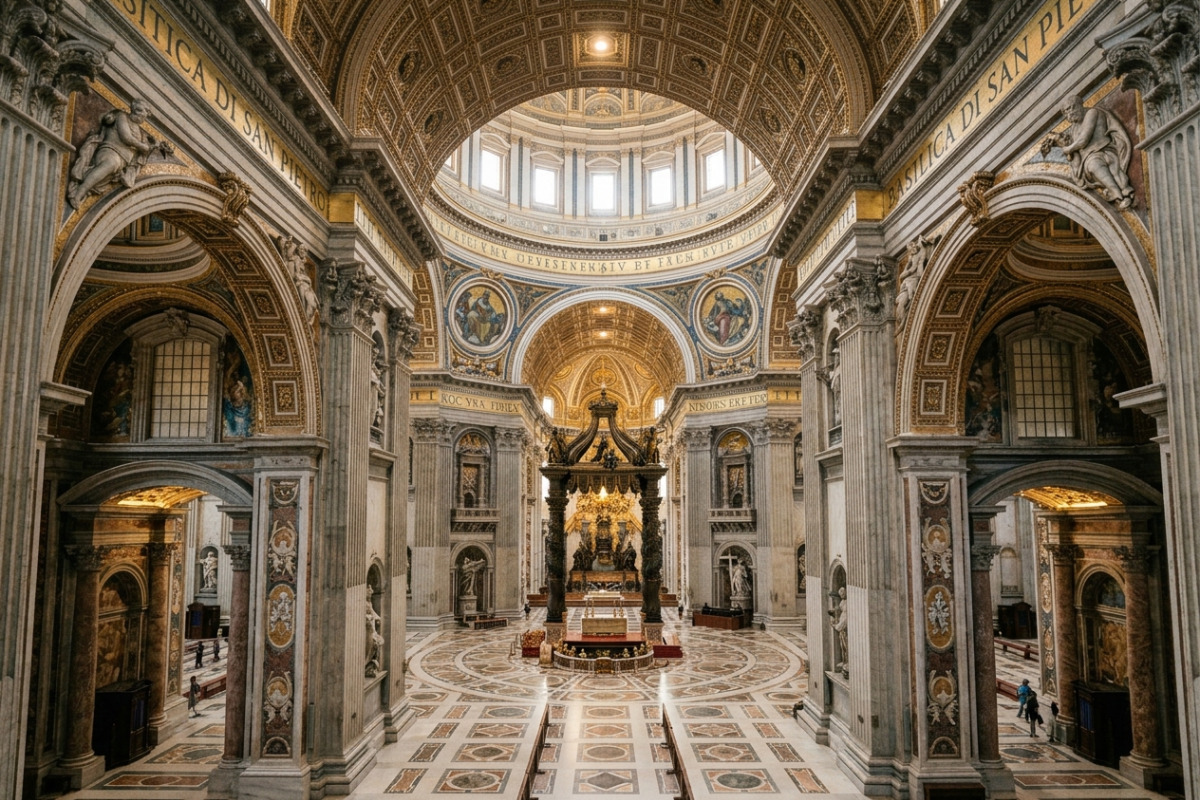
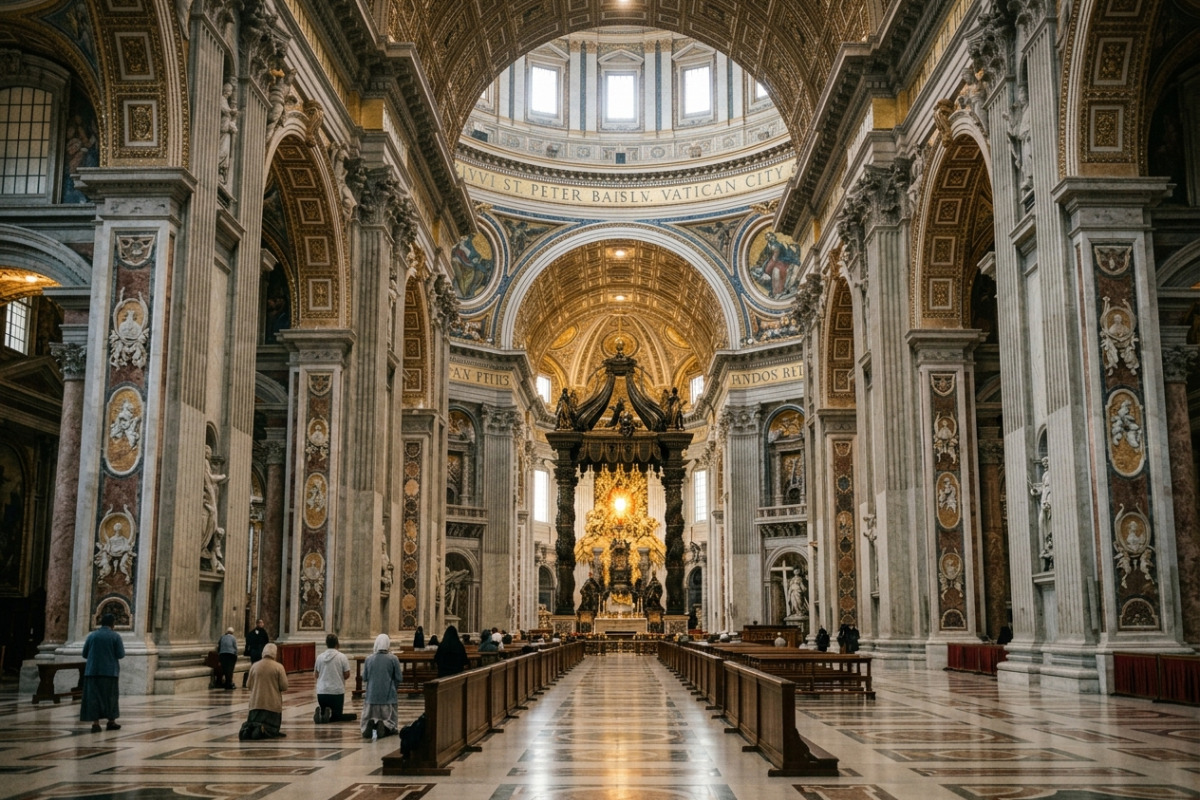
As you move toward the center, the sheer scale of the building becomes the attraction. Walk towards the massive bronze canopy in the center; this is The Altar of the Confessio. Explain to the kids that the bronze was taken from the Pantheon and that St. Peter is buried directly beneath where they are standing. The twisted columns are fascinating to look at, and you can ask children to count the bees sculpted onto the columns (a symbol of the Barberini family). To see more distinct areas, check out the guide to Explore the Basilica, which breaks down the different chapels and monuments into manageable chunks.
Hidden Gems: Grottoes, Mosaics, and Treasuries
If your family enjoys mysterious or underground spaces, head down to The Vatican Grottoes. This area lies just beneath the main floor and contains the tombs of many popes and royals. It is quieter and cooler, which can be a relief on hot days or when the main floor gets too noisy. However, note that the deeper excavation, known as The Necropolis (Scavi), has strict age restrictions (usually 15 and up) and requires advanced booking, so it is generally not suitable for families with young children.
For art-loving families, point out that there are virtually no paintings in the Basilica—they are almost all mosaics! This fact usually blows kids' minds. You can visit The Mosaic Studio (if tours are available) or simply get close to an altar to show them the thousands of tiny glass tiles. Another stop worth making is The Treasury Museum. It requires a small separate ticket, but it houses glittering jewels, massive tiaras, and ancient relics that can fascinate children who love stories of kings and queens.
Technology to the Rescue
Let's face it: sometimes parents want to soak in the history while the kids just want to be entertained. This is where technology helps. Instead of carrying heavy guidebooks, download the Audio Guide App. Many modern apps allow you to move at your own pace, which is essential when you have children who might want to linger at a statue or rush through a hallway. You can share earbuds or let the kids manage the map on the screen, giving them a sense of control over the tour.
Making it Fun for Kids: Activities and Engagement
To keep children engaged throughout the visit, consider these activities:
- I Spy: Play "I Spy" with architectural details or specific figures in the artwork. For example, "I spy with my little eye, something that is made of bronze!"
- Story Time: Before your visit, read stories about St. Peter or the popes buried in the Grottoes. This will give them a context and make the visit more meaningful.
- Sketching: Bring a small sketchbook and pencils and encourage them to draw their favorite statue or mosaic.
- Photo Challenge: Give them a list of things to photograph (e.g., a bee, a cross, a dome) and let them be the photographers for a while.
Also, be sure to check the Vatican's official website for family-friendly tours or workshops that might be available during your visit. These can offer a structured and engaging way for children to learn about the Basilica's history and art.
Planning Ahead: Special Events and Holy Days
St. Peter's Basilica hosts numerous religious ceremonies and events throughout the year. While attending a Papal Mass can be a deeply moving experience, it also means larger crowds and stricter security measures. Check the Prefecture of the Papal Household website for the official calendar of events. Keep in mind that major holidays like Christmas and Easter will draw significant crowds, so plan accordingly. During these times, consider attending weekday masses, which are generally less crowded, or exploring the Basilica during off-peak hours.
| Category | Tip for Families |
| Best Time | Before 9:00 AM or after 3:30 PM to avoid peak crowds. |
| Strollers | Allowed in Square and Basilica; must be stored for Dome climb. |
| Clothing | Shoulders and knees must be covered. Bring scarves for kids if needed. |
| Food & Drink | No eating inside. Have a hearty breakfast before entering. |
| Bathrooms | Located outside the Basilica (bag check area) and near the roof exit. |
| Must-See | The Pietà, The Dome (Elevator), St. Peter's Statue foot rubbing. |
Visiting St. Peter's Basilica with your family is a journey into history, art, and faith on a grand scale. While it requires a bit more planning than a solo trip, seeing the wonder in your child's eyes as they look up at the soaring ceiling is a reward in itself. By utilizing the elevator for the dome, engaging them with the visual stories of the art, and taking advantage of resources like the audio guide, you can create a seamless and educational experience. Remember to take it slow, take plenty of breaks, and enjoy the magnificence of the Vatican together.