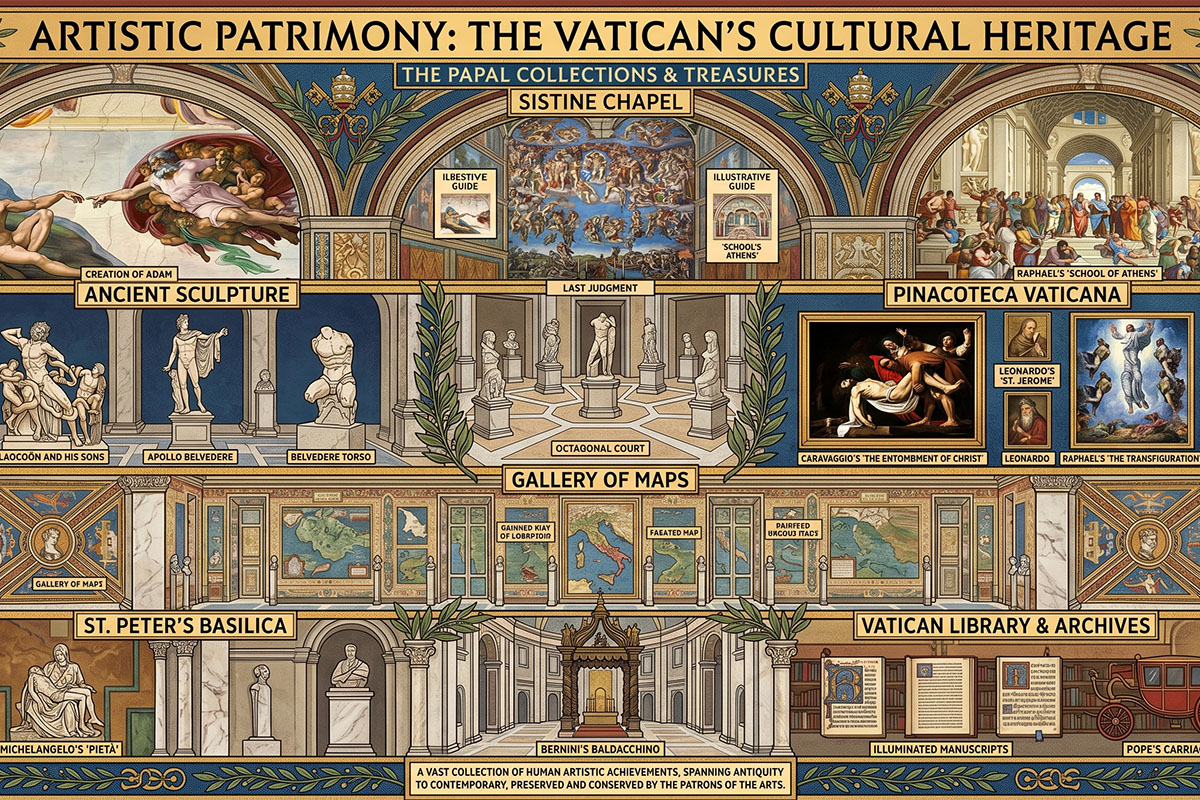
Stepping into Vatican City is far more than a simple tourist excursion; it is an immersion into a living, breathing archive of human creativity and spiritual devotion. For centuries, the Vatican has served as the custodian of an immense artistic patrimony, where the boundaries between religious faith and artistic expression blur seamlessly. As we navigate through January 2026, the relevance of these masterpieces remains undiminished, continuing to speak to millions of pilgrims and art lovers alike. The collection housed within these walls does not merely represent a timeline of art history; it signifies the physical manifestation of theology, where every brushstroke and chisel mark was designed to elevate the human soul toward the divine.
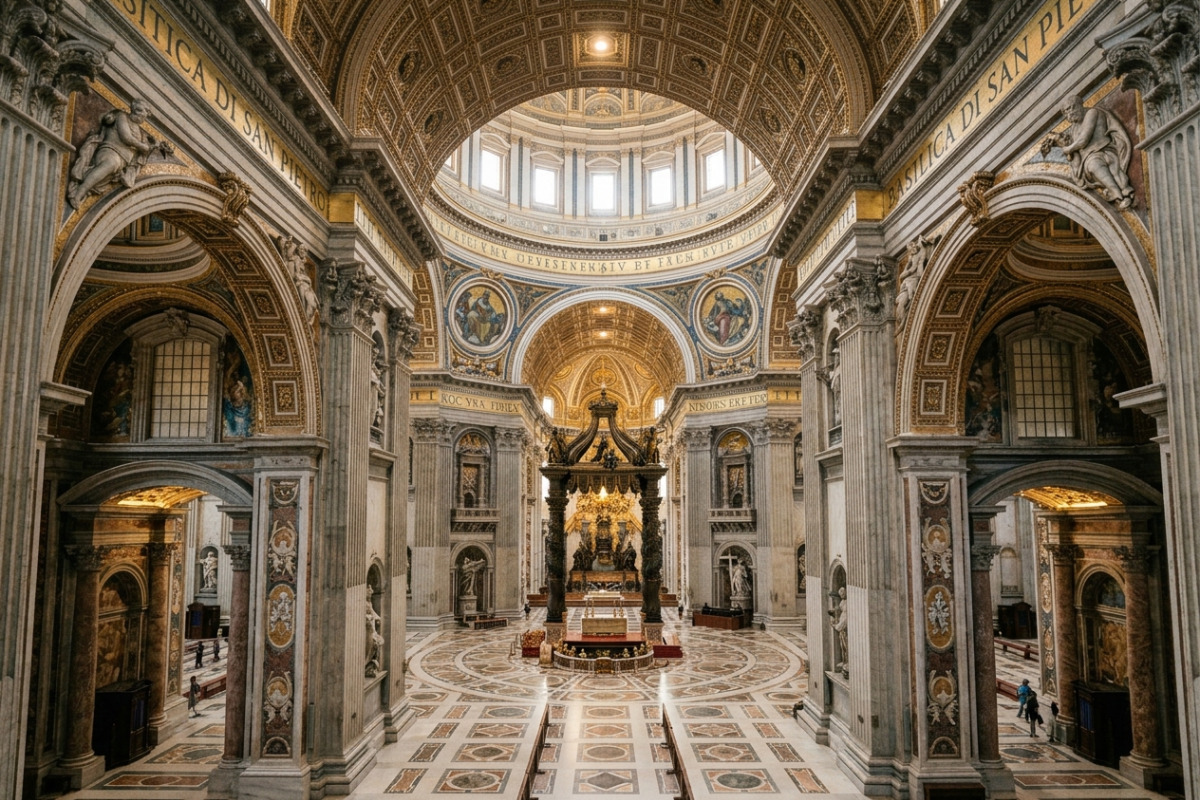
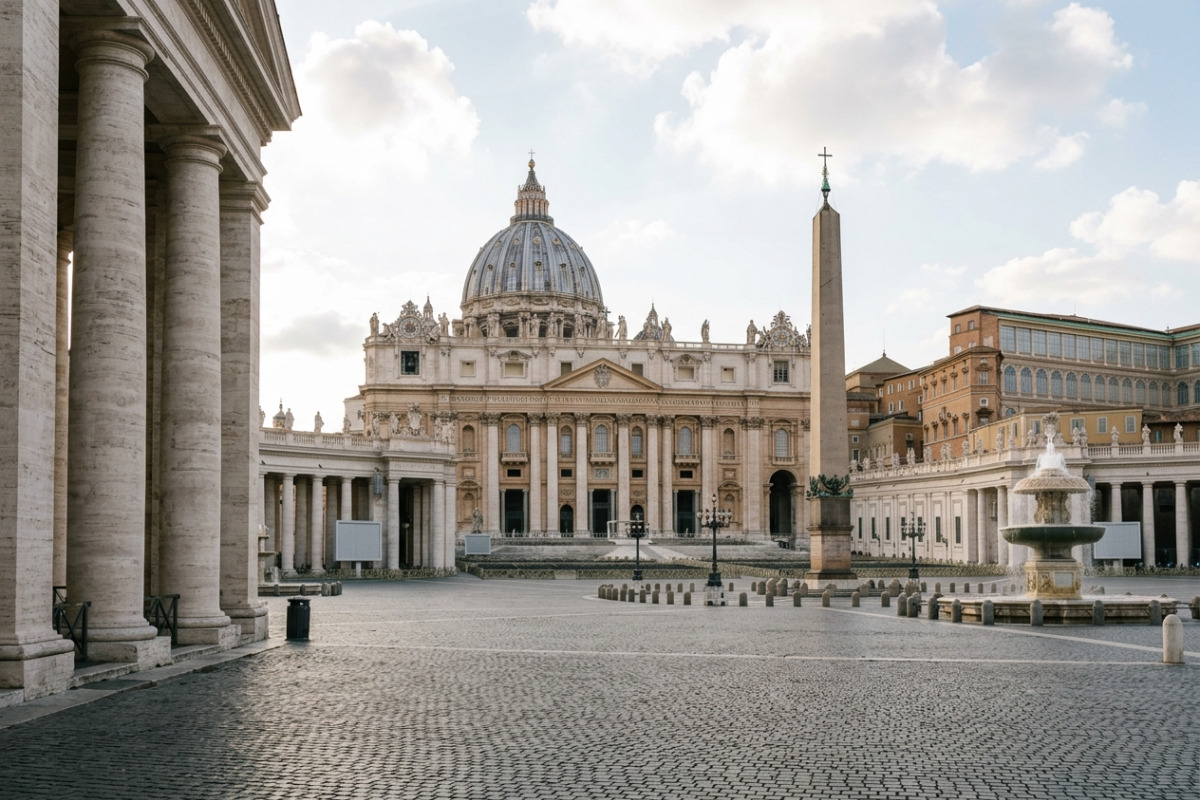
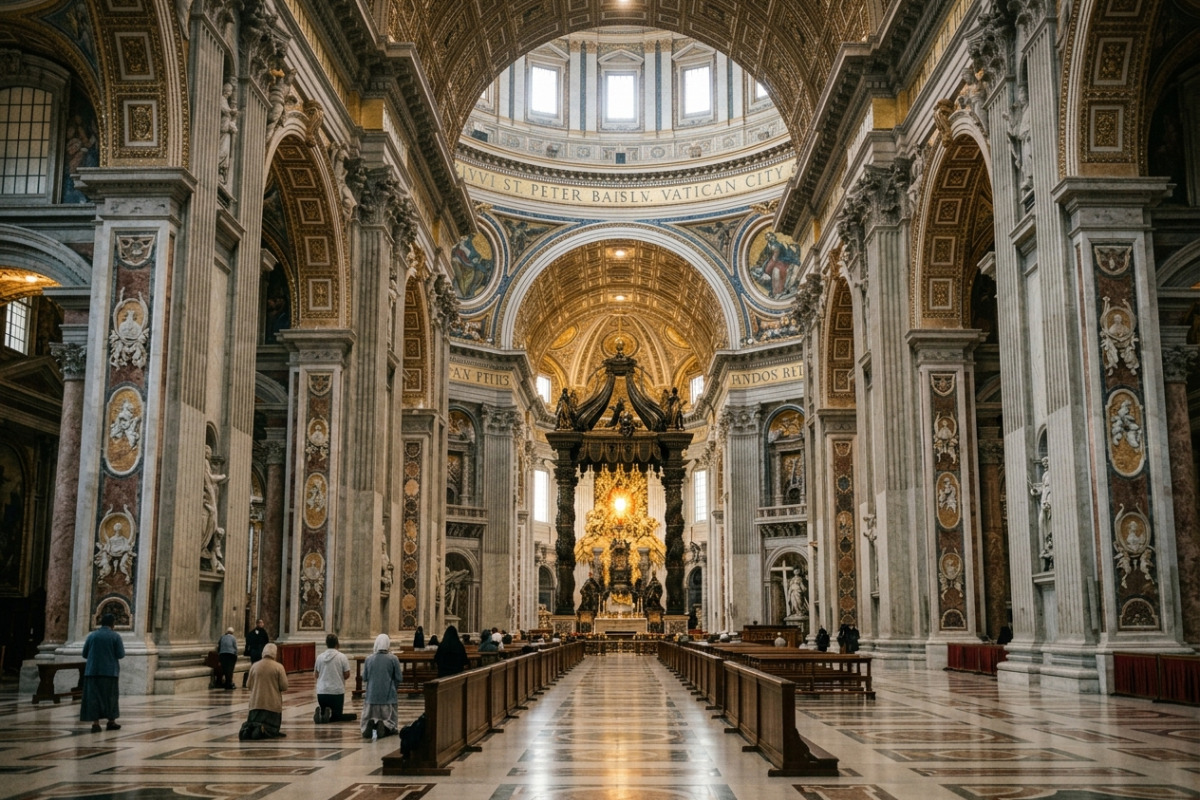
The sheer scale of the Vatican's collection can be overwhelming, yet the true heart of this cultural heritage beats strongest within St. Peter's Basilica. This architectural marvel is not just a venue for liturgy but a gallery of the world’s finest Renaissance and Baroque achievements. To truly understand the identity of the Vatican, one must explore the Basilica extensively, looking beyond the gold leaf and marble to see the stories of faith etched into the very structure. Whether you are an art historian or a curious traveler, the journey begins by acknowledging that here, beauty is a language used to communicate the ineffable.
The Renaissance Giants: Marble and Light
The Renaissance period marked a pivotal moment where the church embraced humanism, resulting in art that highlighted the emotional depth of religious figures. Nowhere is this more evident than in the work of Michelangelo Buonarroti, whose influence permeates the Vatican. Upon entering the Basilica, visitors are immediately drawn to the right nave to witness one of the most poignant sculptures in history. Michelangelo's Pietà stands as a testament to the artist's ability to transform cold Carrara marble into soft, living flesh. The sorrow on the Virgin Mary’s face is not theatrical but deeply internalized, offering a meditation on maternal grief and divine acceptance that transcends centuries.
However, Michelangelo’s contribution extends far beyond sculpture. His architectural genius defines the very skyline of Rome. As you gaze upward, the massive cupola draws the eye toward the heavens, symbolizing the link between the earthly church and the celestial realm. Climbing The Dome offers not only a physical challenge but a spiritual ascent, rewarding visitors with a panoramic view that contextualizes the Vatican within the eternal city. The dome is a structural marvel of the Renaissance, proving that faith could inspire engineering feats previously thought impossible.
Baroque Theatrics: The Drama of Bernini
While the Renaissance brought harmony and proportion, the Baroque era introduced movement, drama, and emotion, largely driven by Gian Lorenzo Bernini. His fingerprints are visible throughout the Basilica, transforming it into a stage for the sacred. The central focus of the church is dominated by his massive bronze Baldachin, which towers over the papal altar. This structure directs the gaze down to The Altar of the Confessio, marking the hallowed ground where St. Peter is buried. Bernini understood that art needed to engage the senses to inspire awe, and his works create a dynamic interplay of light and shadow that brings the stone to life.
Bernini's genius wasn't limited to the Baldachin. Consider the Cathedra Petri, or Chair of Saint Peter, a monumental sculpture encased in bronze and adorned with stucco angels. This piece not only celebrates the authority of the papacy but also showcases Bernini's mastery of integrating sculpture with architecture. The light streaming through the alabaster window behind the chair creates a divine aura, further enhancing the theatrical impact. Another notable example is the Tomb of Pope Alexander VII, where Bernini masterfully depicts Death as a skeleton emerging from a doorway, a stark reminder of mortality amidst the grandeur.
To help you distinguish between the major artistic eras visible in the Basilica, consider the following stylistic differences:
| Feature | Renaissance Style (e.g., Michelangelo) | Baroque Style (e.g., Bernini) |
| Emotional Tone | Calm, restrained, and contemplative (The Pietà) | Dramatic, intense, and dynamic (The Baldachin) |
| Composition | Symmetrical, balanced, and triangular | Asymmetrical, swirling, and theatrical |
| Material Focus | Emphasis on the purity of white marble | Rich use of mixed media: bronze, gold, and stucco |
| Intent | Idealized beauty and human perfection | Emotional engagement and awe-inspiring grandeur |
The Hidden Layers: History Beneath the Floor
The artistic patrimony of the Vatican is not limited to what can be seen in the sunlight; some of its most profound heritage lies beneath the surface. These subterranean levels bridge the gap between modern veneration and ancient history. The Vatican Grottoes offer a solemn quietude, housing the tombs of popes and royals. Here, the art is more subdued, consisting of early Christian sarcophagi and fragments of the old Constantinian basilica, reminding visitors that the current grandeur rests upon ancient foundations.
For those willing to journey even deeper into the past, The Necropolis reveals the Roman roots of the site. This archaeological wonder showcases the transition from pagan burial grounds to Christian worship. It is a raw, unpolished look at the cultural heritage of the site, stripping away the Renaissance glamour to reveal the humble beginnings of the faith. Exploring these layers requires foresight, so it is essential to Plan Your Visit well in advance, as access to these sensitive areas is strictly regulated to preserve their integrity.
Preserving the Craft: Mosaics and Treasures
One of the most fascinating aspects of St. Peter’s Basilica is an optical illusion that fools thousands of visitors daily. What appear to be magnificent oil paintings adorning the altars are, in fact, intricate mosaics. This transition from paint to stone was a strategic decision to preserve the artwork against humidity and candle smoke. The Vatican continues this tradition today through The Mosaic Studio, where master craftsmen maintain the ancient techniques, restoring damaged works and creating new pieces for the Pope to gift to world leaders. This dedication ensures that the artistic skills of the past remain a living part of the Vatican's identity.
Furthermore, the tangible wealth of the church's history is curated within The Treasury Museum. This section contains liturgical objects, vestments, and statues that have been used in worship for centuries. These are not merely museum exhibits; they are sacred tools that tell the story of the liturgy. From gem-encrusted chalices to delicate candelabras, the Treasury highlights the craftsmanship dedicated to the glory of God, serving as a glittering footnote to the massive architecture of the Basilica.
Practical Tips for an Art-Focused Visit
To truly appreciate the depth of the Vatican's artistic heritage, a casual walk-through is often insufficient. The sheer density of symbolism means that much is missed by the untrained eye. Utilizing digital tools can significantly enhance your understanding of the artwork. We highly recommend downloading the Audio Guide App, which provides detailed commentary on the masterpieces, explaining the theological nuances behind the brushstrokes. Here are a few tips to maximize your cultural experience:
- Secure Access Early: While the main floor is open, specific areas like the Dome and Treasury require entry passes. You can find options for Tickets & Tours to ensure you don't miss key sections.
- Dress Appropriately: Remember that this is a place of worship. The dress code is strictly enforced, and respecting it is part of honoring the cultural heritage.
- Check the Schedule: Liturgical events can affect access to certain altars. Consulting the Frequently Asked Questions page can help you avoid surprises.
- Take Your Time: Rushing through the Vatican is a disservice to the art. Pause at the transepts, look at the floor inlays, and observe the light filtering through the windows.
The Vatican's artistic patrimony is a dialogue between the past and the present, a testament to the enduring power of faith expressed through human hands. From the soaring heights of the Dome to the quiet shadows of the Necropolis, every corner of this sacred space tells a story of cultural identity. By exploring these masterpieces, visitors participate in a tradition that has captivated humanity for millennia, finding their own place within the vast narrative of art and belief.