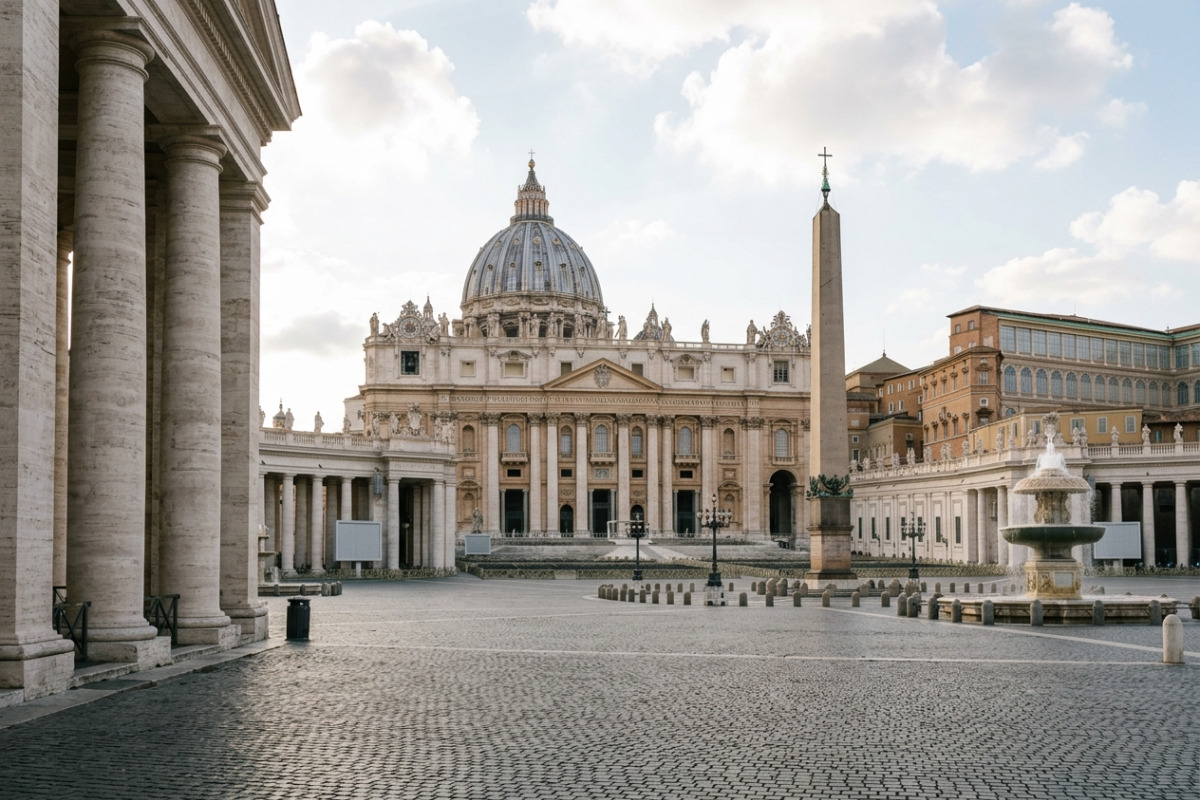
Stepping into St. Peter's Square is an experience that stays with you forever, regardless of your faith or background. The sheer scale of the colonnades, the symmetry of the architecture, and the anticipation of entering one of the world's most significant spiritual sites can be overwhelming. However, nothing dampens that sense of awe quite like standing in a security line for two hours under the blazing Roman sun or being shoulder-to-shoulder with thousands of others inside the nave. To truly appreciate the serenity and artistic mastery of the Vatican, timing your visit is not just a suggestion; it is an essential part of your travel strategy. Whether you are currently enjoying the crisp air of January 2026 or planning ahead for the warmer months, understanding the rhythm of the Basilica is the key to unlocking a memorable experience.
Rome is a city that never truly sleeps, and the Vatican is its beating heart, drawing millions of pilgrims and tourists annually. While there is never a time when the Basilica is completely empty, there are certainly windows of opportunity where the crowds thin out, allowing you to gaze at the ceiling without bumping into tour groups. By choosing the right season, day, and even the specific hour of your arrival, you can transform a chaotic sightseeing trip into a profound journey through history and art. Before you book your flight, take a moment to explore our comprehensive guide on Plan Your Visit to ensure you have all the logistical details covered.
Analyzing the Seasons: Weather vs. Crowds
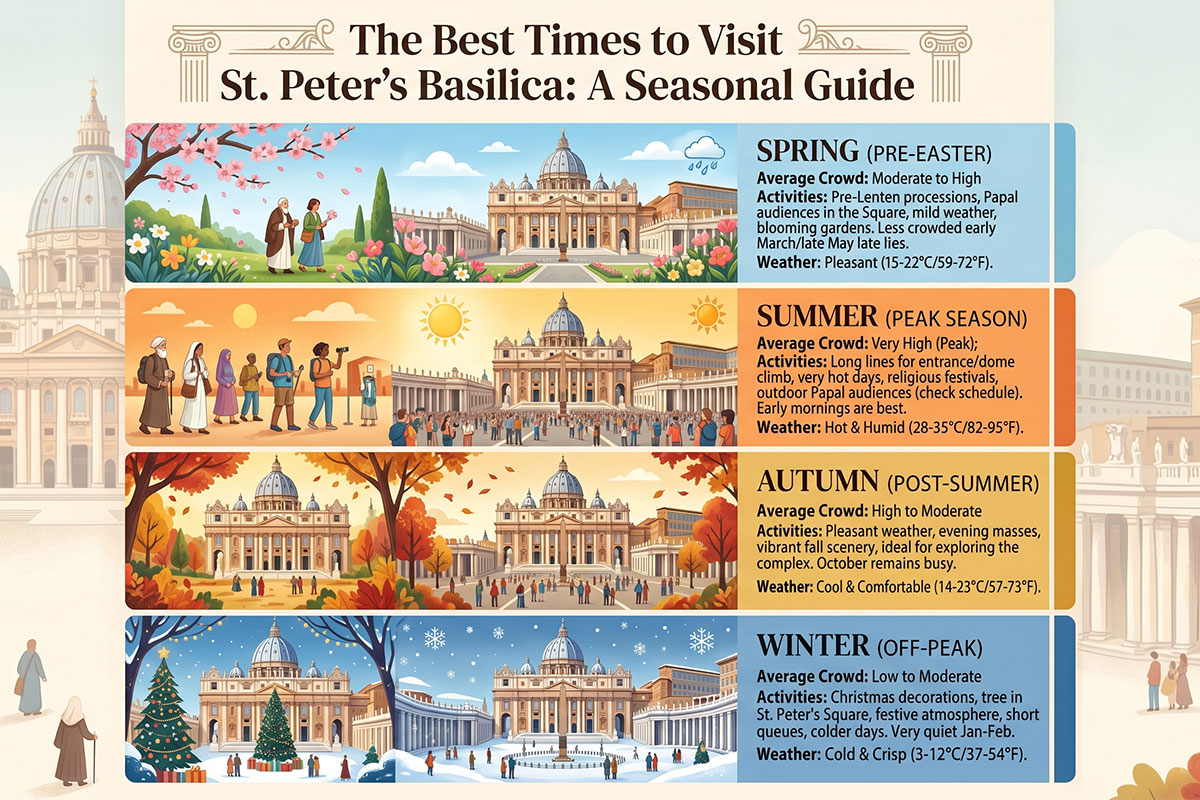
Rome experiences distinct seasons, each offering a different atmosphere for visiting the Vatican. While summer brings the energy of high tourism, the shoulder seasons often provide a better balance between pleasant weather and manageable foot traffic. Understanding these seasonal nuances will help you decide what trade-offs you are willing to make for your perfect visit.
Winter (November to February)
If your priority is solitude and you don't mind wearing a coat, winter is arguably the best kept secret for visiting St. Peter's Basilica. Aside from the festive chaos of Christmas and New Year's, the months of January and February see the lowest visitor numbers of the year. This is the ideal time to stand before Michelangelo's Pietà and actually have the space to contemplate the sorrow and beauty carved into the marble without being rushed. The cooler temperatures also make the climb to the top of the dome much more comfortable than in the stifling heat of August. Be aware that some days may be shorter, with the Basilica closing earlier, and occasional rain showers are possible, but these are small prices to pay for the tranquility you'll experience.
Spring (March to May)
Spring breathes new life into Rome, but it also brings the beginning of the peak tourist season. The weather is often perfect—crisp mornings and warm afternoons—making the outdoor wait in St. Peter's Square much more tolerable. However, you must navigate around Easter, which attracts massive pilgrimages. If you visit during spring, consider securing Tickets & Tours well in advance to bypass the longest lines. The soft spring light filtering through the windows creates a magical atmosphere inside, illuminating the intricate mosaics in a way that artificial light cannot replicate. Keep an eye out for special events and outdoor celebrations that often take place in St. Peter's Square during this vibrant season.
Summer (June to August)
Summer is the test of endurance. The crowds are at their peak, and the Roman humidity can be intense. However, summer does have one advantage: long daylight hours. If you can brave the heat, the city has a vibrant energy that is undeniable. To survive a summer visit, hydration and timing are critical; avoid the midday sun at all costs. This is also a good time to retreat to the cooler, underground areas, such as The Vatican Grottoes, where the temperature remains stable and the atmosphere is hushed and reverent. Consider attending an evening concert held within the Vatican for a unique and cooler experience.
Autumn (September to October)
Many travelers consider autumn the "golden season" for Rome. The scorching heat dissipates, replaced by the famous Roman "ottobrata"—warm, sunny days that feel like an endless summer. Crowds remain high in September but begin to taper off towards late October. It is a fantastic time to explore the exterior details of the Basilica and Explore the Basilica grounds without the urgency of winter cold or summer sweat. The autumn light is particularly flattering for photography, and the slightly cooler temperatures make climbing the dome more enjoyable.
Strategic Timing: The Best Time of Day
Even during the busiest months, you can find pockets of tranquility if you know when to arrive. The daily flow of visitors follows a predictable pattern that you can use to your advantage. Generally, the rule of thumb is to go against the flow of the standard tour bus schedules.
- The Early Bird (7:00 AM - 9:00 AM): This is the golden window. St. Peter's Basilica typically opens at 7:00 AM. If you arrive at opening, you will breeze through security and practically have the place to yourself for the first hour. This is the absolute best time to head straight for The Dome (Cupola). Climbing the steps is far easier when you aren't stuck in a line of climbers, and the morning view over a waking Rome is spectacular.
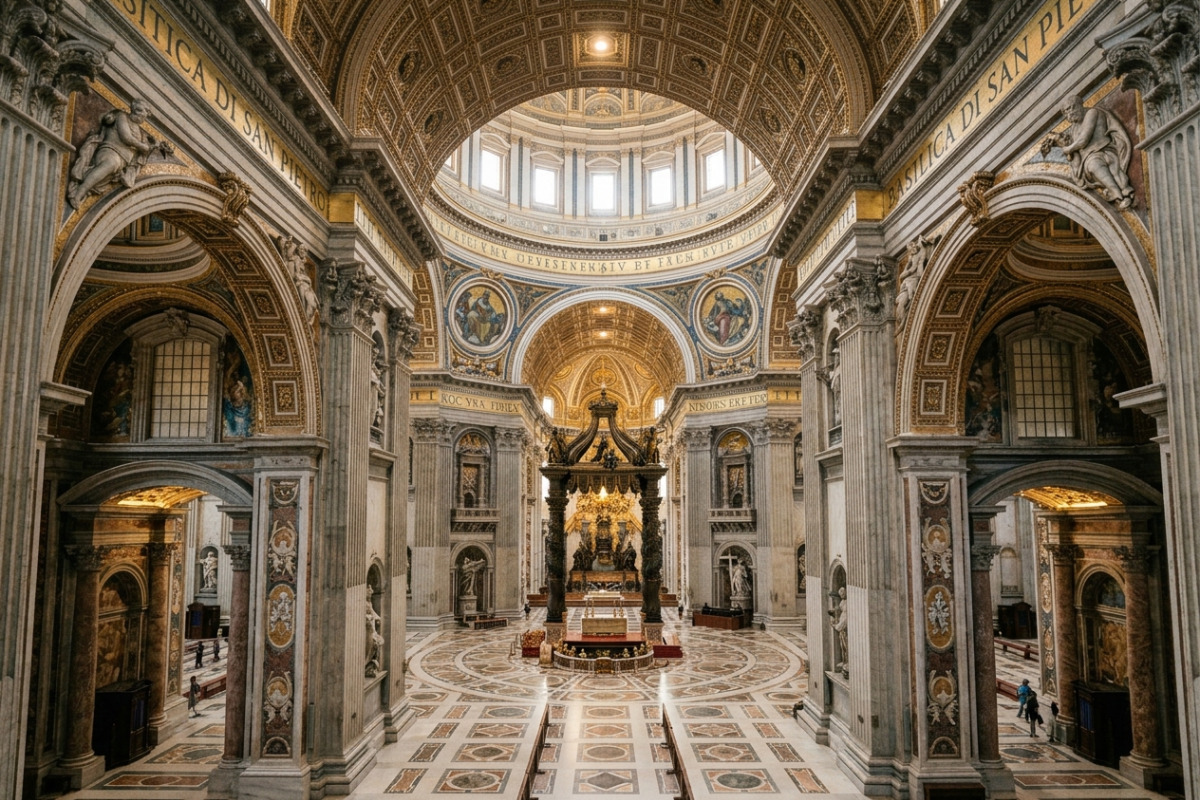
- The Lunch Lull (1:00 PM - 2:00 PM): Many tour groups head to lunch during this hour. While not as empty as the early morning, the line for security often shortens significantly. It is a good time to wander the nave and admire The Altar of the Confessio with fewer obstructions.
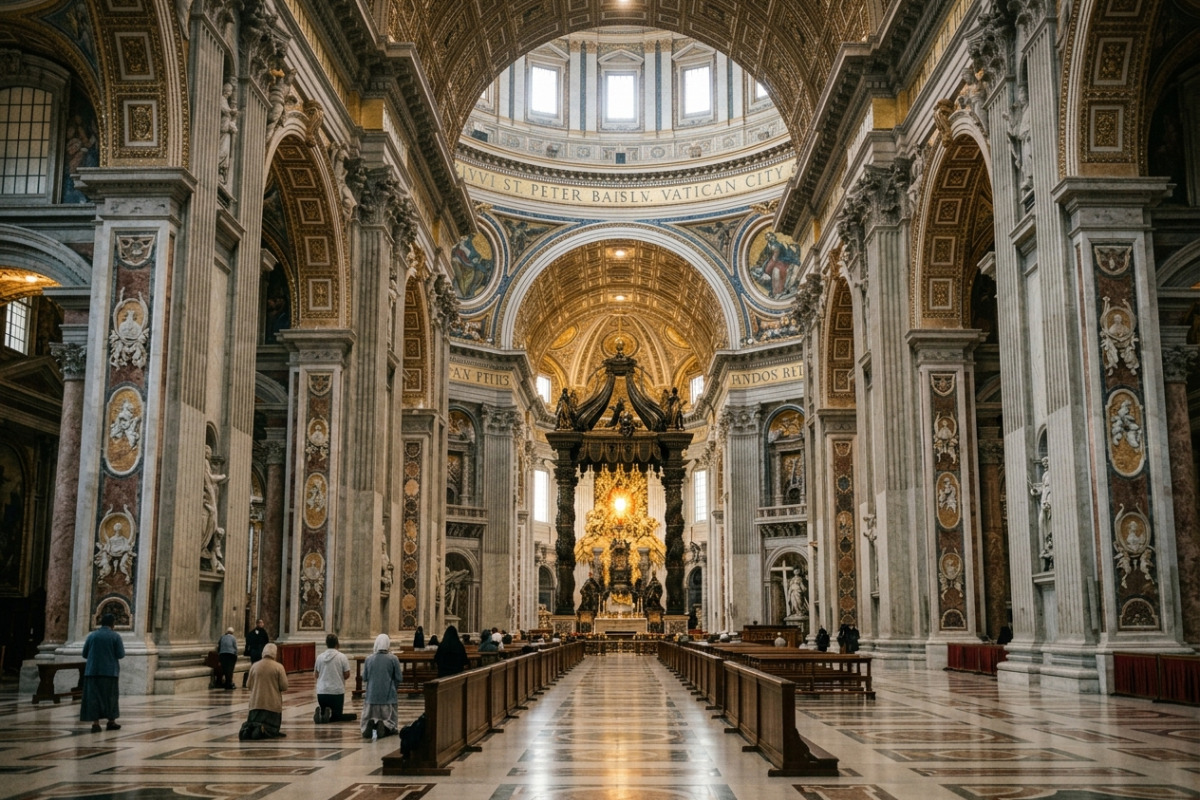
- Late Afternoon (4:00 PM - Closing): As the day winds down and the organized tours depart, the Basilica quiets down again. The late afternoon sun casts long, dramatic shadows across the marble floors, creating a photographer's dream. However, be aware that the Dome closes earlier than the main Basilica, so check the schedule if climbing is on your list.
Weekly Schedule and Religious Events
St. Peter's is an active church, not just a museum, which means religious services take precedence over tourism. Wednesdays are particularly tricky due to the Papal Audience. If the Pope is holding an audience in St. Peter's Square, the Basilica usually remains closed to tourists until the ceremony concludes, typically around noon or 1:00 PM. This results in a massive bottleneck of visitors trying to enter in the afternoon.
Conversely, if you are not interested in the Papal Audience, Wednesday afternoon can actually be a good time to visit, provided you wait until the initial rush clears (around 3:00 PM). For a truly unique experience, consider visiting The Treasury Museum while the main crowds are distracted by the events in the square. Sunday mornings are usually reserved for Mass, and while entry is permitted, access to certain artistic sections may be restricted to maintain the sanctity of the service.
Visitor Traffic and Experience Matrix
To help you visualize the best options, here is a breakdown of what to expect during different times of the year and day.
| Time Frame | Crowd Level | Best For | Potential Drawbacks |
| Winter Weekdays | Low | Quiet reflection, Photography, Museums | Shorter daylight hours, cooler weather |
| Summer Mornings | Medium/High | Dome climbing, avoiding heat | Requires very early wake-up |
| Wednesday Morning | Restricted | Papal Audience attendees | Basilica closed to tourists until afternoon |
| Late Afternoon (Year-round) | Low/Medium | Sunset views, relaxed atmosphere | Dome may be closed, less time to explore |
Making the Most of Your Visit
Once you have selected your ideal time, enhancing your visit is about preparation. The sheer size of the Basilica can cause you to miss intricate details. We highly recommend downloading the Audio Guide App. Having a narrator guide you through the history of the baldachin or the stories behind the statues adds a layer of depth that visual observation alone cannot provide.
Additionally, some areas require specific planning. The Necropolis (Scavi Tour), located beneath the Grottoes, is where the tomb of St. Peter is located. This is one of the most exclusive experiences in the Vatican, and admission is strictly limited. Regardless of the season, you must book this months in advance via the Excavations Office. It is not something you can decide to do on the day of your visit.
Finally, do not forget to explore the lesser-known corners. Many visitors rush the main altar and leave, missing incredible craftsmanship elsewhere. Take time to visit The Mosaic Studio to understand how the stunning images adorning the walls are created—they are not paintings, but thousands of tiny tesserae! If you have questions about logistics, dress codes (which are strictly enforced), or accessibility, our Frequently Asked Questions page is an excellent resource to consult before you arrive.
Conclusion
Visiting St. Peter's Basilica is a highlight of any trip to Rome. While the crowds are a testament to its significance, they don't have to dictate your experience. By choosing a winter visit, an early morning arrival, or a late afternoon stroll, you can find the space to connect with the history and spirituality of this magnificent place. Plan ahead, dress appropriately, and prepare to be amazed.