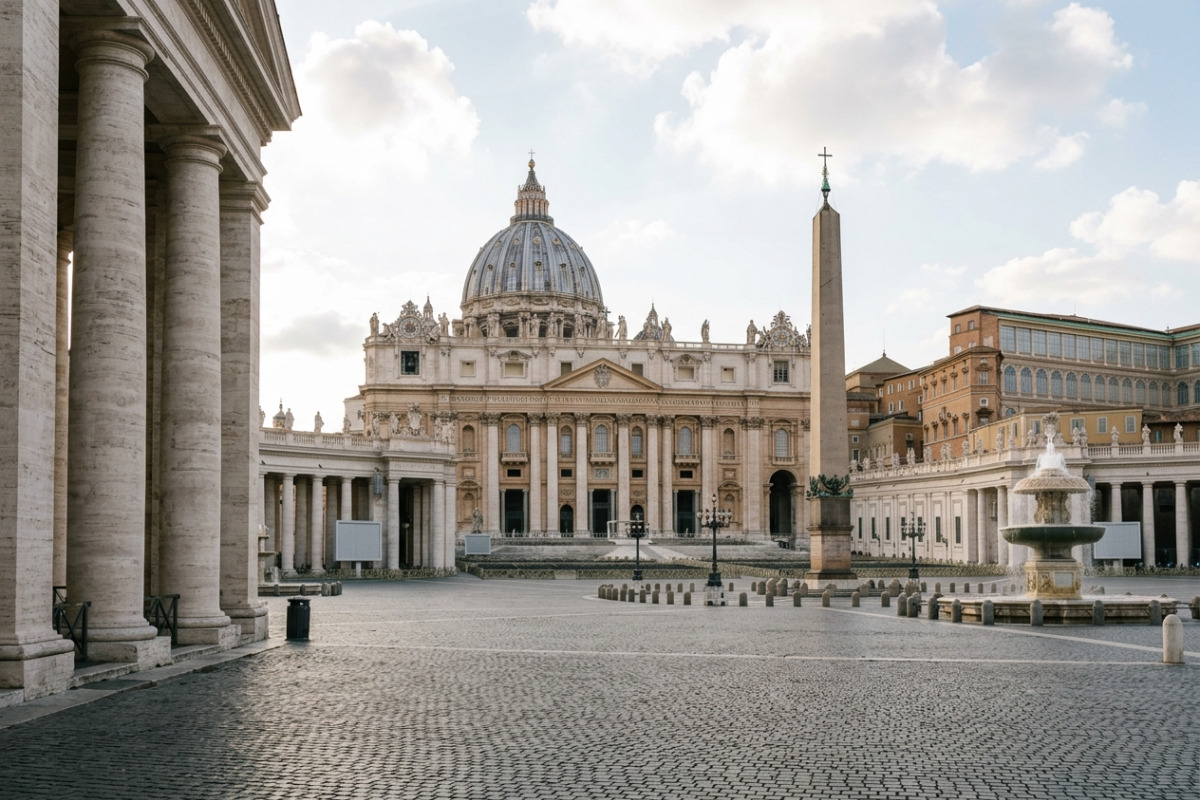
Stepping into St. Peter's Square, with the embracing arms of Bernini’s colonnade surrounding you, is a moment that stays with travelers forever. However, the sheer magnitude of the world's largest church can be overwhelming without a proper strategy. Whether you are visiting for spiritual reasons or to marvel at Renaissance architecture, a little preparation goes a long way in ensuring your visit is smooth and memorable. From navigating security queues to knowing exactly where to look for hidden artistic gems, we have compiled the ultimate guide to help you Plan Your Visit effectively. By following these insights, you can focus less on logistics and more on the breathtaking beauty that awaits inside.
Timing Your Visit: Beating the Crowds
St. Peter's Basilica is one of the most visited monuments in the world, and crowd management is key to a pleasant experience. The cardinal rule for visiting the Vatican is to arrive as early as possible. The Basilica generally opens at 7:00 AM, and being there right at opening time offers a serene atmosphere that is impossible to find later in the day. By 9:00 AM, the security lines can snake around the square, resulting in wait times that often exceed two hours. If early mornings are not your preference, the late afternoon—around 4:00 PM—can also be a strategic time, as the large tour groups tend to disperse, leaving the nave quieter for contemplation.
It is also important to be aware of the weekly schedule. On Wednesday mornings, the Pope holds the Papal Audience in St. Peter's Square (or the Paul VI Hall in winter), which means the Basilica may be closed to tourists until the ceremony concludes around noon. Sundays are incredibly busy due to the Angelus and regular masses. Therefore, Tuesday or Thursday mornings often present the best window for a relatively calm exploration. Before you go, it is always wise to check Frequently Asked Questions regarding specific holiday hours or unexpected closures.
Strict Dress Code: Respecting the Sanctity
One of the most common pitfalls for visitors is the strictly enforced dress code. As an active place of worship, the Vatican requires all visitors to dress modestly, regardless of the weather. The Vatican Swiss Guard and security personnel are vigilant, and visitors wearing sleeveless tops, shorts, or skirts above the knee will be denied entry. This rule applies to both men and women. If you are visiting during the hot Roman summer, carrying a lightweight scarf or shawl in your bag is a lifesaver; you can wrap it around your shoulders or waist before passing the security checkpoint.
Footwear is another consideration that is often overlooked but vital for comfort. You will be doing a significant amount of walking, especially if you plan to Explore the Basilica thoroughly or climb the dome. Uneven cobblestones in the square and marble floors inside necessitate comfortable walking shoes. Avoid flip-flops or high heels, as they are impractical and can be considered disrespectful in certain chapels. Dressing appropriately ensures that your entry is seamless and shows respect for the sacred nature of the site.
What to Wear vs. What to Avoid
- Do Wear: Trousers, jeans, or skirts that cover the knees.
- Do Wear: Shirts or blouses that cover the shoulders (t-shirts are fine).
- Do Bring: A scarf to cover up if your outfit is borderline.
- Avoid: Tank tops, spaghetti straps, and sleeveless vests.
- Avoid: Mini-skirts or shorts that end above the knee.
- Avoid: Hats inside the Basilica (must be removed upon entry).
Must-See Artistic and Spiritual Highlights
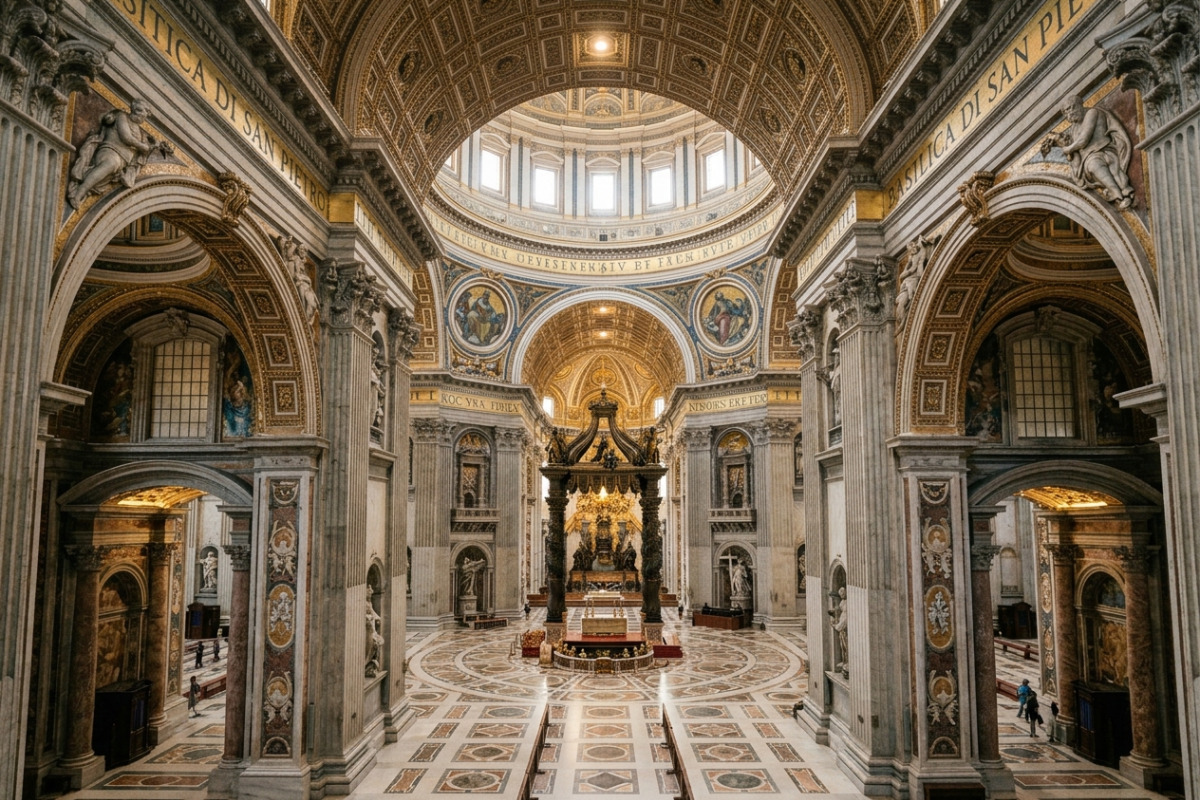
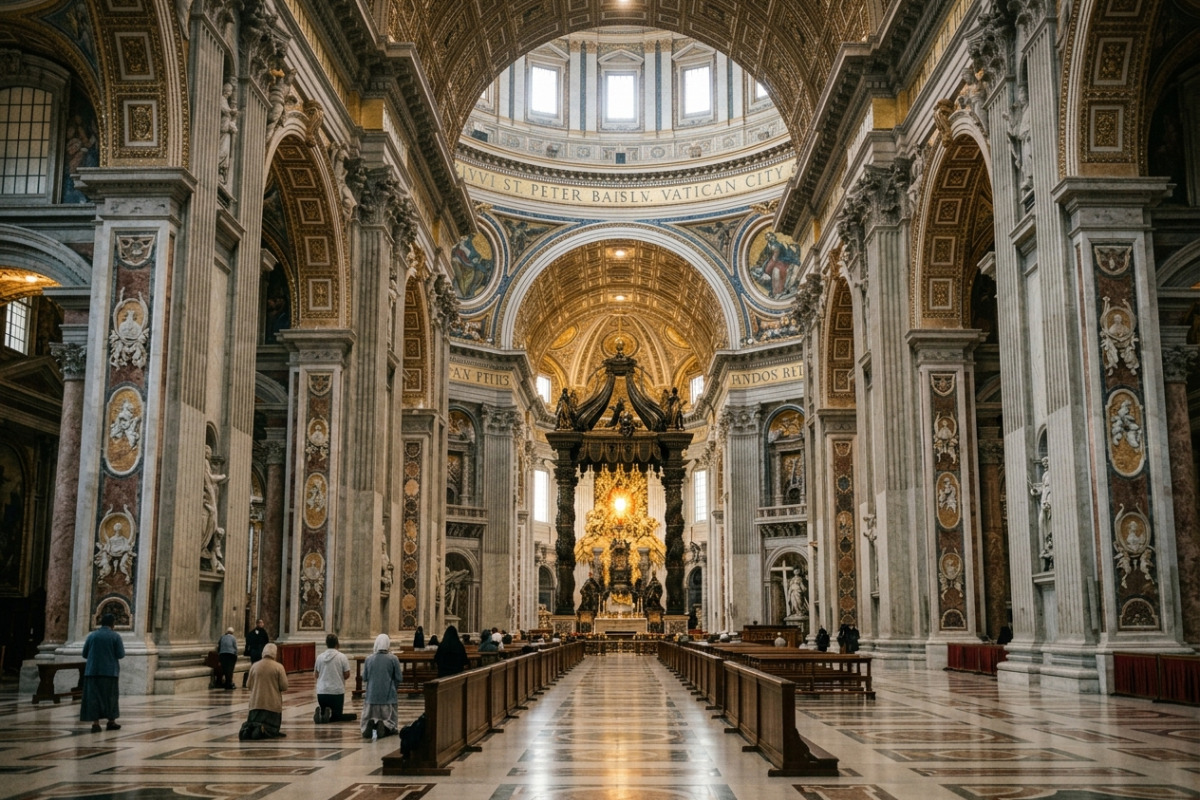
Once inside, the vastness of the interior can be disorienting. To make the most of your time, head immediately to the right aisle to witness Michelangelo's Pietà. This masterpiece of marble, depicting the Virgin Mary holding the body of Christ, is protected by bulletproof glass but remains undeniably powerful. It is the only work Michelangelo ever signed, and seeing it in the soft morning light is a profound experience. Moving further into the nave, your eyes will be drawn to the massive bronze canopy known as the Baldachin, located directly over The Altar of the Confessio. Designed by Bernini, this structure marks the site of St. Peter's tomb and serves as the visual anchor of the entire church.
For those interested in the history of the papacy, a visit to the underground level is essential. You can descend into The Vatican Grottoes, where many Popes are interred in simple yet dignified tombs. If you have arranged a special reservation well in advance, you might even venture deeper into The Necropolis, an ancient Roman burial ground that lies beneath the Grottoes. For art enthusiasts who want to see the immense collection of liturgical objects, statues, and papal tiaras, The Treasury Museum is a hidden gem located within the Basilica complex that is well worth the small admission fee.
Climbing the Dome: A View from the Top
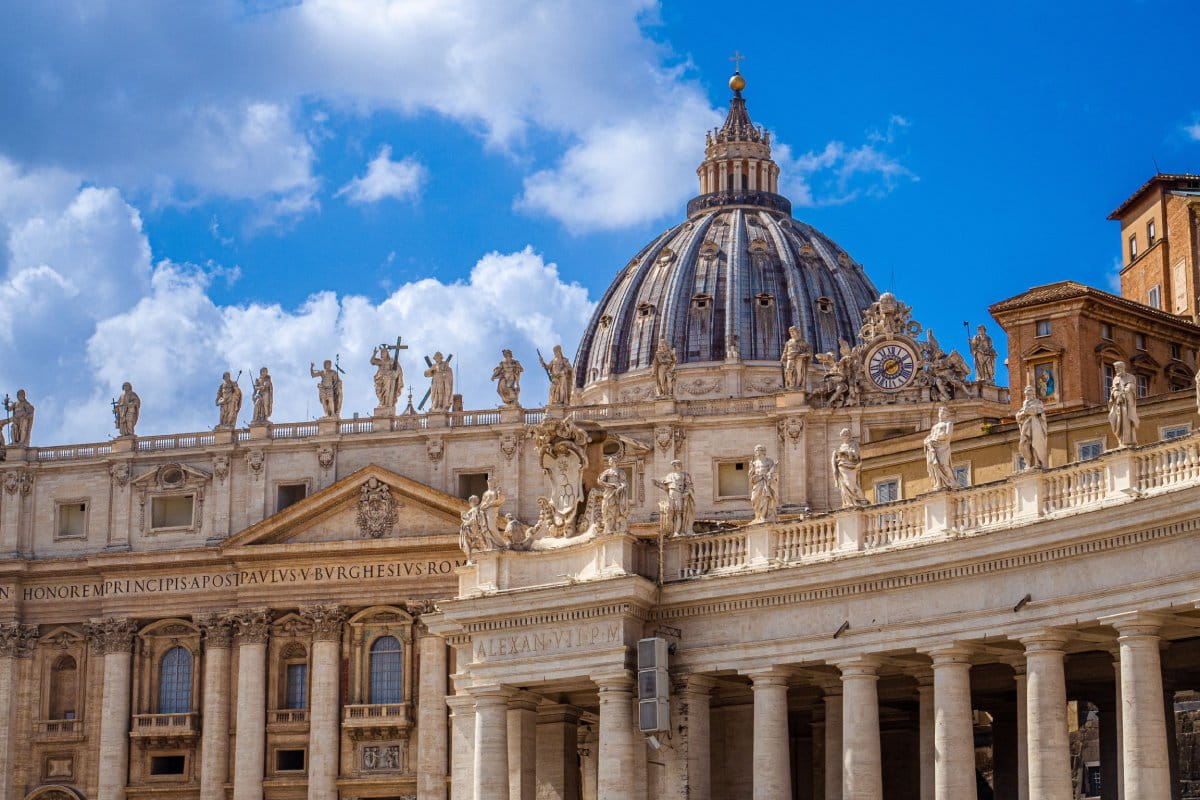
No visit to St. Peter's is complete without ascending to the Cupola. Designed by Michelangelo, the dome dominates the Roman skyline and offers an unparalleled vantage point. You can choose to climb all 551 steps or take an elevator part of the way and climb the remaining 320 steps. The climb is narrow and can be claustrophobic, so it requires a moderate level of fitness. However, the reward is twofold: first, you get a close-up view of the intricate mosaics inside the dome, and second, you emerge onto the exterior lantern for a panoramic view of Vatican City and Rome. To fully appreciate the engineering marvel and the artwork you encounter on the way up, check out the details on The Dome before you decide which ticket option suits you best.
Enhancing Your Experience with Audio and Tours
While wandering the aisles is awe-inspiring, the Basilica is dense with history, symbolism, and hidden details that are easily missed by the untrained eye. To truly understand what you are looking at, we highly recommend using a digital companion. The official Audio Guide App provides excellent commentary that allows you to explore at your own pace, explaining the significance of the statues, the history of the construction, and the stories behind the altars. If you prefer a more structured experience with a human connection, booking professional Tickets & Tours can provide skip-the-line access to specific areas and expert storytelling that brings the stone and gold to life.
For those with a specific interest in the artistic techniques used in the Basilica, a visit to The Mosaic Studio is a fascinating detour. Many visitors do not realize that what look like paintings inside the Basilica are actually intricate mosaics composed of thousands of tiny glass tesserae. Understanding this technique adds a whole new layer of appreciation to the visual splendor surrounding you. Whether you choose a guided tour or a self-guided audio experience, having context transforms a sightseeing trip into a true educational journey.
Practical Logistics Summary
| Feature | Details & Tips |
| Entry Cost | Entrance to the main floor of the Basilica is free. Tickets are required for the Dome, Treasury, and Necropolis. |
| Security | Airport-style security checks are mandatory. Avoid bringing large luggage, pocket knives, or glass bottles. |
| Photography | Allowed without flash. Tripods and selfie sticks are generally prohibited inside to maintain flow and respect. |
| Restrooms | Located near the bag check area and on the roof level (near the gift shop) if you climb the dome. |
| Guided Tours | Consider booking a guided tour in advance to skip the line and gain in-depth knowledge. Several tour operators offer various options, including specialized art history tours. |
| Photography Rules | Photography is permitted for personal use, but flash photography is prohibited as it can damage the artwork. Commercial photography and videography require prior authorization. |
Visiting St. Peter's Basilica is more than just checking a landmark off your bucket list; it is an immersion into centuries of faith, art, and history. By dressing appropriately, arriving early to beat the queues, and utilizing resources like the audio guide, you ensure that your energy is spent admiring the grandeur rather than stressing over logistics. Whether you are gazing up at the dome or standing silently before the Pietà, these tips will help you navigate the Vatican with confidence and ease.