Stepping into Vatican City offers a unique blend of spiritual magnitude and artistic grandeur that is unmatched anywhere else in the world. As we settle into January 2026, the allure of the Vatican remains timeless, drawing pilgrims and art lovers alike to its cobblestone grandeur. At the heart of this sovereign state stands St. Peter's Basilica, a Renaissance masterpiece that dominates the skyline of Rome. For many travelers, the sheer scale of the Piazza San Pietro and the Basilica itself can be overwhelming. Knowing where to go, which lines to join, and how to uncover the hidden layers of history within these walls is essential for a fulfilling experience. Whether you are here for a spiritual pilgrimage or to admire the architectural feats of Michelangelo and Bernini, a little preparation goes a long way.
Getting Oriented: Entry Points and Logistics
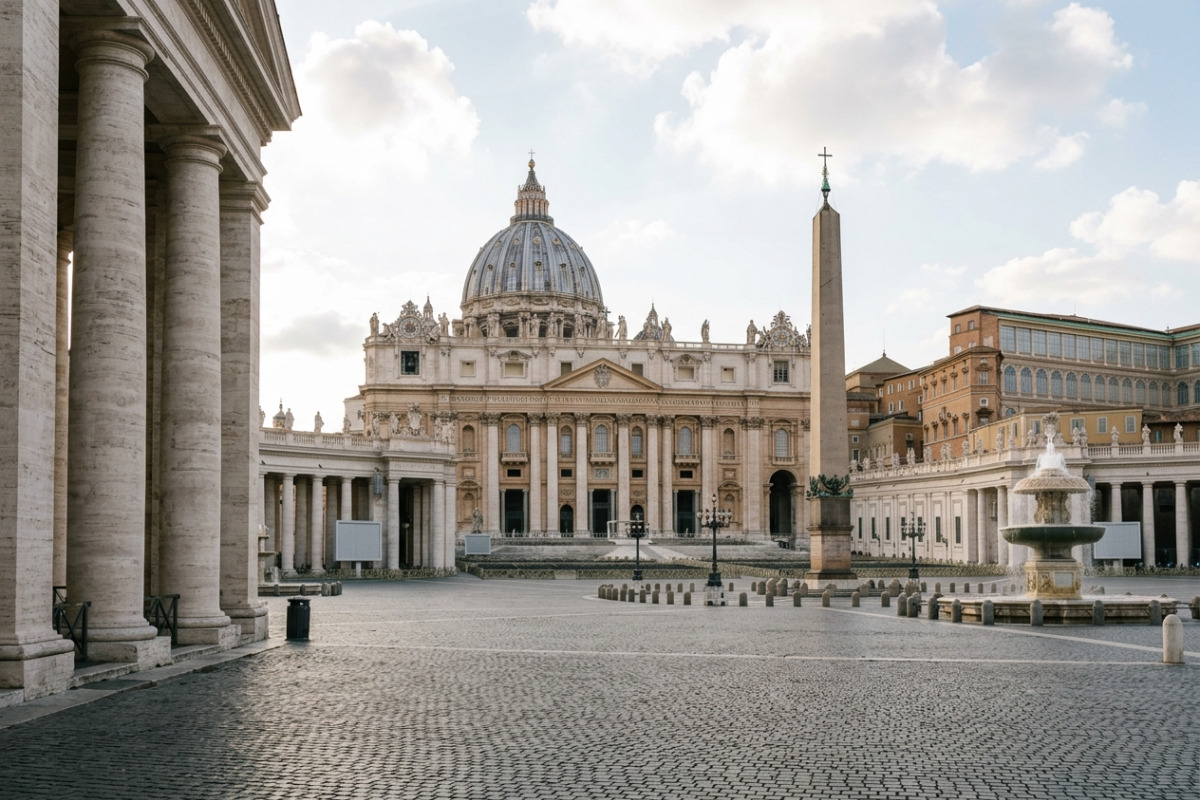
Arriving at St. Peter's Square, you are immediately embraced by Bernini’s massive colonnades, which guide your eyes toward the façade of the Basilica. Navigating the entrance requires patience and strategy, especially given the strict security measures in place. The general entry to the main floor of the Basilica is free, but you must pass through metal detectors located on the right side of the square. To ensure a smooth arrival, it is highly recommended that you review the Plan Your Visit page beforehand to understand current opening hours and security protocols. Keep in mind that opening hours can vary, especially around major religious holidays or papal events. Checking the official website for specific dates in January 2026 is crucial. Early mornings are generally the best time to beat the crowds, allowing you to soak in the atmosphere before the tour groups arrive.
Once you are through security, strictly enforced dress codes apply. The Vatican guards are vigilant about ensuring that all visitors are dressed modestly, as this is an active place of worship. This means shoulders and knees must be covered for both men and women. If you are visiting during the warmer Italian months, carrying a light scarf to drape over your shoulders is a smart travel hack. Once you pass the checkpoint, you can proceed up the steps into the portico. From here, you have several options: entering the main nave, heading toward the bag check for the dome climb, or visiting the bookshop.
Masterpieces of the Main Nave
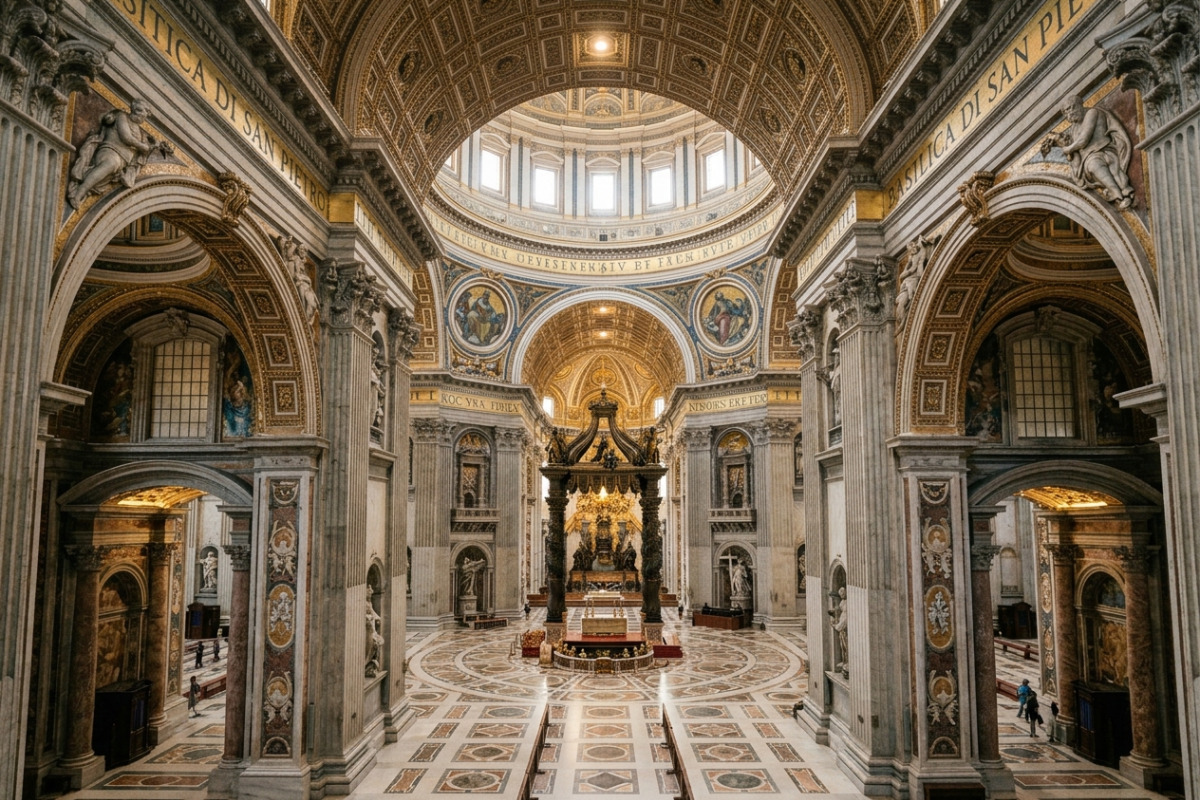
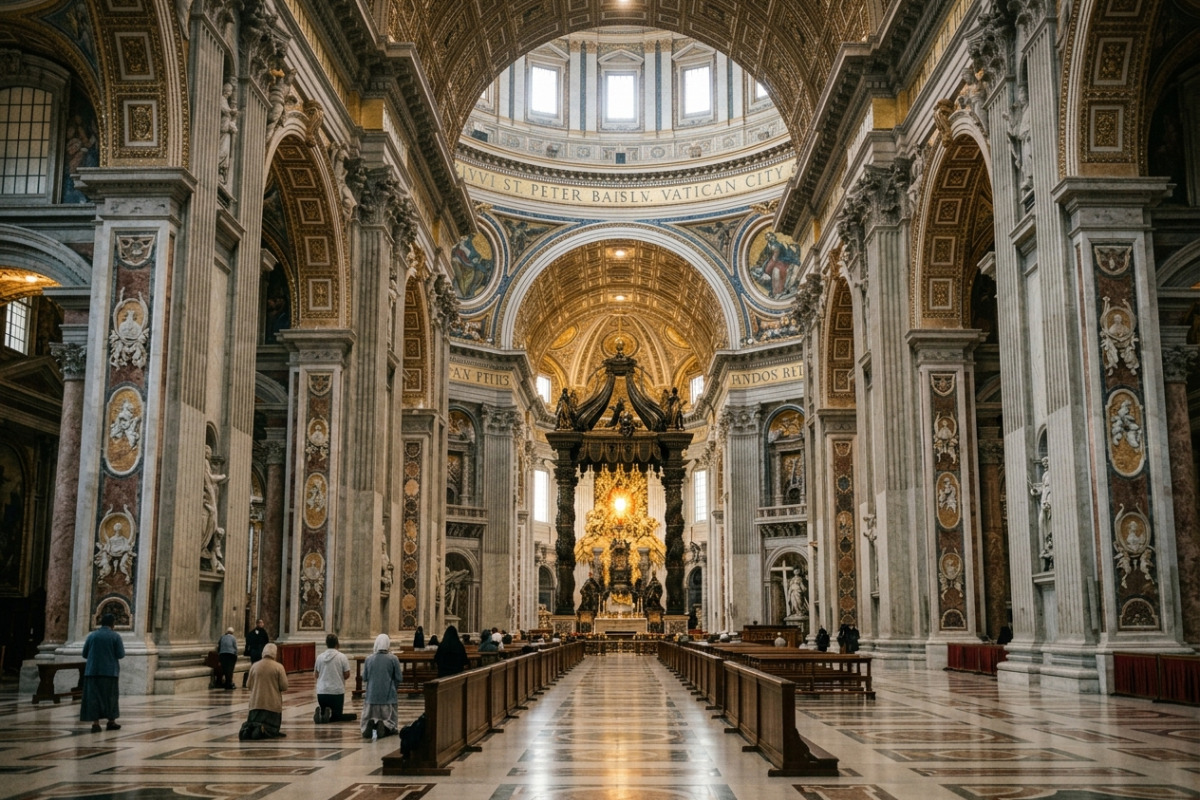
Walking through the massive bronze doors, the vastness of the interior is breathtaking. The nave stretches out before you, adorned with marble, gold, and intricate mosaics that look like paintings from a distance. To truly appreciate the history and symbolism of the art around you, using a digital companion can be incredibly helpful. An Audio Guide App allows you to explore at your own pace, providing commentary on the architectural nuances that you might otherwise miss. As you Explore the Basilica, you will realize that every chapel and pillar holds a story. Consider supplementing your visit with a visual guide, such as high-resolution images of key artworks, to enhance your understanding and appreciation.
Immediately to your right upon entering is one of the world's most famous sculptures, Michelangelo's Pietà. Protected behind bulletproof glass, this marble depiction of the Virgin Mary holding the body of Christ is hauntingly beautiful and emotionally charged. It is the only work Michelangelo ever signed, and taking a moment here to observe the delicate folds of Mary’s robes is a highlight of any visit. Further down the nave, beneath the soaring dome, stands the magnificent bronze canopy known as the Baldachin, created by Bernini. This structure marks the location of The Altar of the Confessio, which sits directly above the tomb of St. Peter. The interplay of light filtering through the windows and the dark bronze of the altar creates a dramatic, spiritual focal point.
Ascending to the Heavens: The Dome Climb
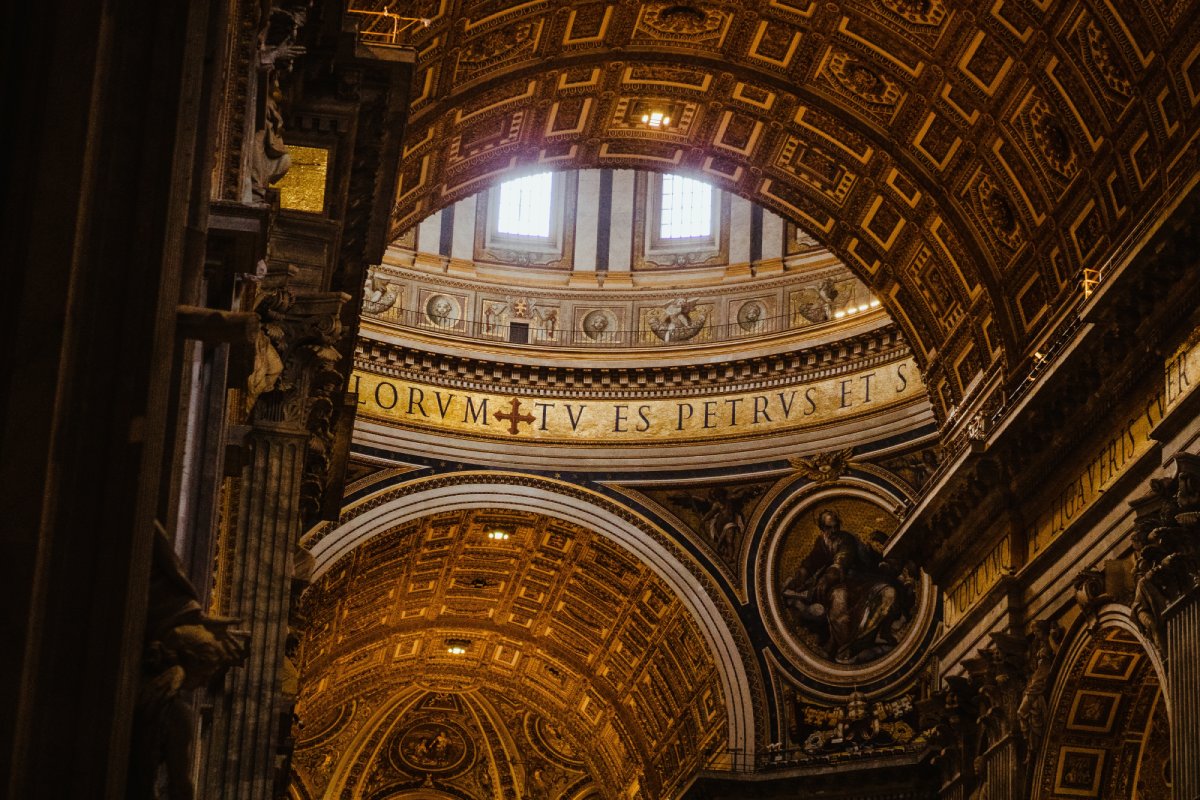
For those willing to exert a bit of physical effort, the climb to the top of the Basilica offers one of the best panoramic views in Rome. The entrance to the Cupola is located on the right side of the portico, before you enter the main church. You can choose to climb all 551 steps or take an elevator part of the way and climb the remaining steps. The Dome experience is twofold: first, you emerge onto the interior gallery, looking down at the altar from a dizzying height, admiring the mosaics up close. Then, you ascend a narrow, spiraling staircase to the outdoor viewing platform.
The view from the top is unparalleled, offering a 360-degree perspective of Vatican City, the geometric perfection of St. Peter's Square, and the sprawling city of Rome beyond. It is a photographer's dream and a moment of serenity above the bustling city. However, visitors should be aware that the final ascent involves narrow, slanted corridors that mimic the curve of the dome, which might be challenging for those with claustrophobia. The effort is rewarded with a fresh perspective on the Vatican Gardens and the architectural genius that supports this massive structure.
Beneath the Surface: Grottoes and the Necropolis
While the dome takes you to the heavens, the history of the Vatican is deeply rooted underground. After visiting the main floor, look for the signs pointing down to The Vatican Grottoes. This level lies just beneath the Basilica floor and contains the tombs of many Popes, kings, and queens. The atmosphere here is hushed and reverent, a stark contrast to the grandeur above. It is a place for quiet reflection as you walk past the simple sarcophagi of historical figures who shaped the church.
For a truly exclusive experience, you can venture even deeper into history to The Necropolis, also known as the Scavi. This is an ancient Roman burial ground located beneath the Grottoes, where the tomb of St. Peter was identified. Unlike the Grottoes, access to the Necropolis is highly restricted and requires advanced booking of a specific guided tour. It is a fascinating journey through narrow earthen streets of an ancient city of the dead, culminating in the simple grave of the Apostle. Due to preservation concerns, groups are small, and the environment is humidity-controlled.
Comparison of Vatican Levels
| Area | Access Type | What to Expect |
| The Dome (Cupola) | Ticket Required | Panoramic views, close-up of mosaics, physical climb. |
| The Basilica (Main Floor) | Free Entry | Michelangelo's Pietà, Bernini's Baldachin, main altars. |
| The Grottoes | Free Entry | Papal tombs, quiet atmosphere, historical continuity. |
| The Necropolis (Scavi) | Special Reservation | Ancient Roman excavations, St. Peter's original tomb. |
Hidden Gems: Museums and Mosaic Studios
Many visitors rush through the main attractions and miss the smaller, yet equally impressive sections of the complex. Accessed from the interior of the Basilica, The Treasury Museum holds a collection of liturgical objects, vestments, and statues that have been donated to the church over centuries. Here, you can see the massive tomb of Pope Sixtus IV and intricate candelabras that display the wealth of Vatican history. It is a quiet detour that adds context to the power and reach of the Papacy throughout the ages.
Another fascinating aspect of St. Peter's is the maintenance of its art. The vast majority of what looks like painting inside the Basilica is actually intricate mosaic work. The Mosaic Studio is responsible for the restoration and creation of these masterpieces. While the studio itself is not always open to the general public in the same way the church is, understanding this craft changes how you view the walls around you. The dedication to preserving the visual splendor of the Basilica is a testament to the Vatican's commitment to art and history.
Planning Your Visit for the Best Experience
To make the most of your time, booking ahead is often the key to a stress-free visit. While the Basilica entrance is free, lines can stretch for hours. Opting for Tickets & Tours that offer skip-the-line access or guided context can save you valuable time. A guided tour is particularly recommended if you want to understand the theological and historical significance of the architecture without constantly consulting a guidebook. Professional guides can point out details that the average eye would miss, such as the optical illusions Bernini used in the colonnade.
Finally, do not forget to explore the surrounding area. St. Peter's is just one part of the Vatican City experience. The Vatican Museums, home to the Sistine Chapel, are a short walk away, though they require a separate ticket. Combining these two sites makes for a full day of exploration. If you have specific concerns about accessibility, photography rules, or mass schedules, the Frequently Asked Questions section is a great resource to consult before you arrive. With a bit of planning, your visit to St. Peter's Basilica will be a highlight of your travels, offering memories of beauty and history that last a lifetime.