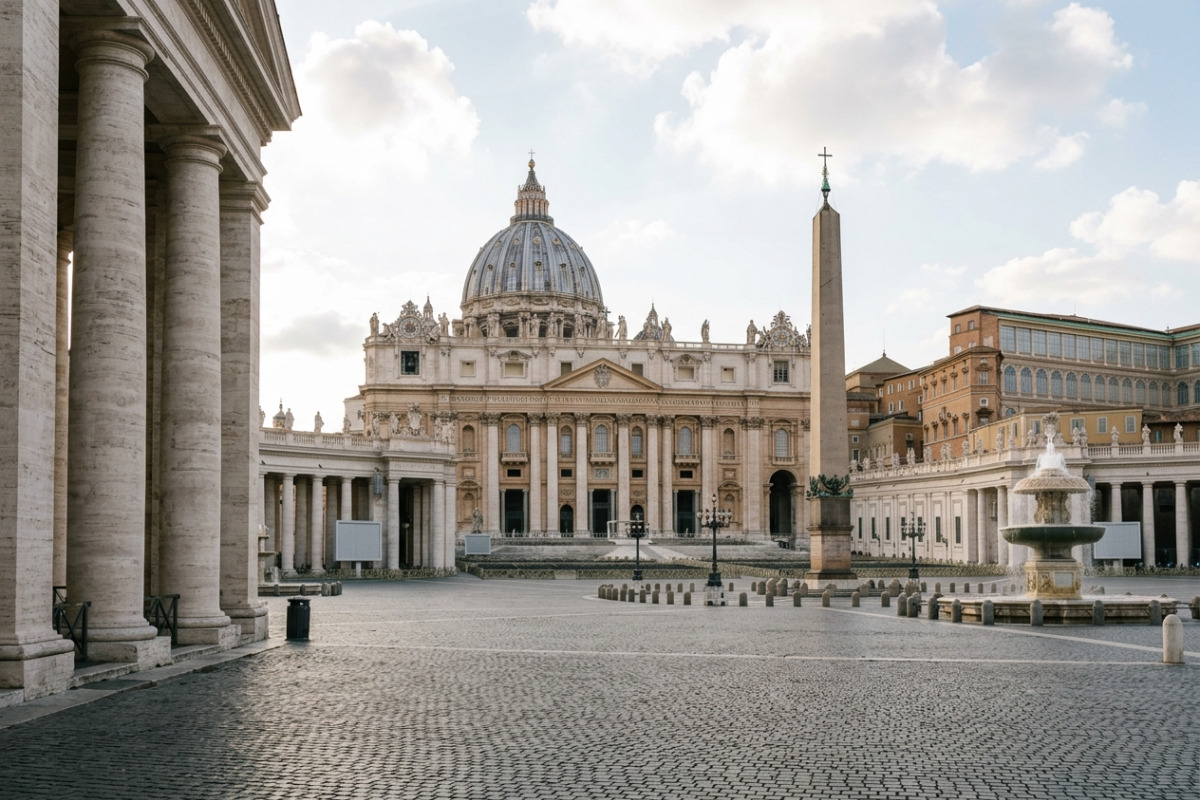
Stepping into the embrace of St. Peter's Square and gazing up at the magnificent façade of the Basilica is a moment that leaves even the most seasoned travelers breathless. For photographers, however, this awe is quickly followed by a creative challenge: how do you do justice to one of the world's most massive and ornate structures? Whether you are a professional carrying a full kit or an enthusiast with a high-end smartphone, capturing the essence of this Renaissance masterpiece requires more than just pointing and shooting. To truly document the scale, the divine lighting, and the intricate details, you need a strategy that combines technical know-how with an artistic eye.
Essential Gear and Preparation for the Vatican
Before you even set foot in Vatican City, it is crucial to curate your camera bag carefully. Security measures at the Basilica are strict, and bulky equipment can slow you down or even be prohibited. The most important rule to remember is that tripods are generally not allowed inside the Basilica or the museums without special permission, which is rarely granted to casual visitors. Therefore, you must rely on fast lenses and steady hands. A wide-angle lens (16mm to 24mm) is indispensable for capturing the sweeping interiors and the vastness of the square. Conversely, a telephoto lens or a good zoom is necessary to isolate architectural details high above the ground, such as the inscriptions on the friezes or the expressions of the statues.
Since you will be shooting in varying light conditions, particularly the dimmer interiors, a camera with good high-ISO performance is a significant advantage. If you are planning to plan your visit for a full day of shooting, ensure you have extra batteries and memory cards, as the sheer volume of photo opportunities will drain your resources faster than you expect. Additionally, consider downloading the Audio Guide App; listening to the history of specific sections while you compose your shots can provide context that actually improves your storytelling through imagery.
Mastering the Light: Timing Your Shots
Lighting is the brush with which you paint your images, and nowhere is this more true than at St. Peter's. The quality of light changes drastically throughout the day, transforming the mood of the architecture. In January 2026, the winter sun sits lower in the sky, providing softer shadows for longer periods, which is a boon for exterior photography.
- Sunrise: Arriving at dawn offers the best chance to capture St. Peter's Square without the crowds. The sun rises behind the Basilica, creating a dramatic silhouette effect against the colorful Roman sky, perfect for moody, atmospheric shots.
- Mid-Morning: As the sun climbs, it illuminates the façade. This is the ideal time to head inside. On sunny days, you might catch the famous "God rays"—beams of light streaming through the windows of the dome and cutting through the incense-laden air near the altar.
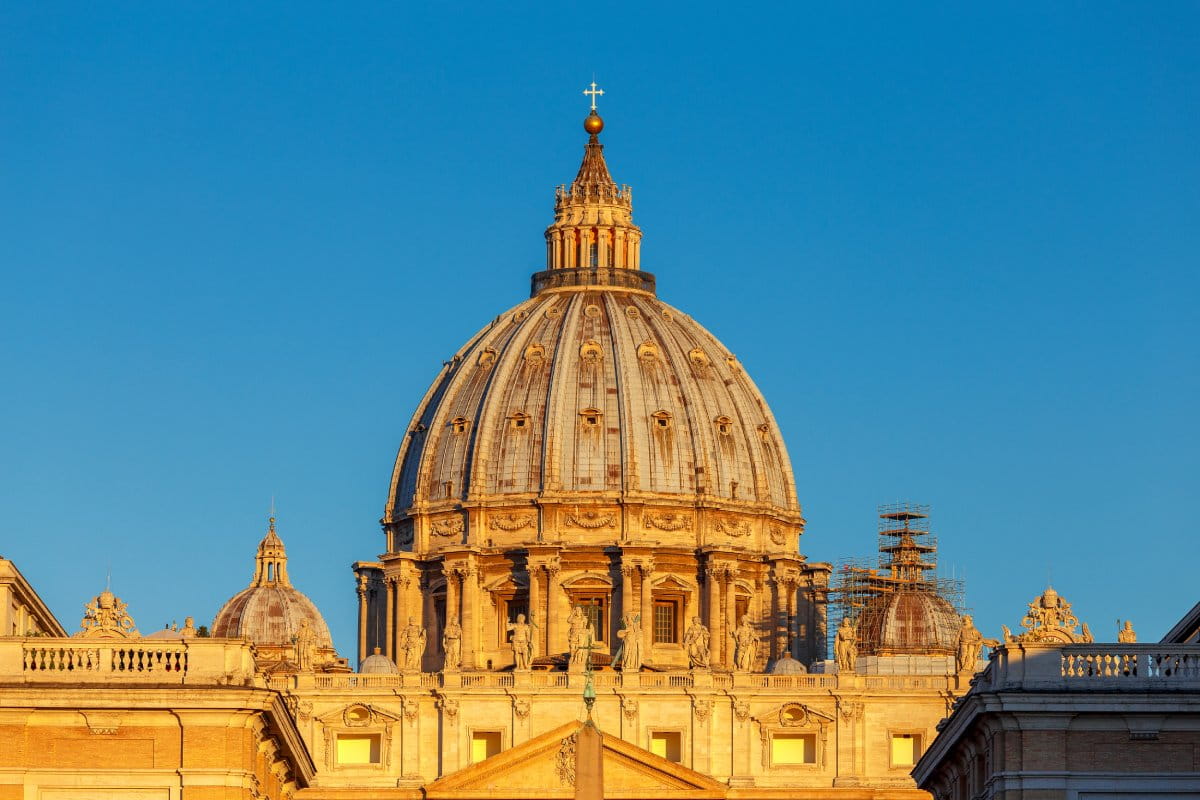
- Golden Hour: Late afternoon paints the travertine stone of the exterior in warm, honey-colored hues. This is the best time for photography from the dome or for capturing the statues on the colonnade against a deep blue sky.
- Blue Hour: Just after sunset, the Basilica is illuminated artificially. The contrast between the warm lights of the church and the cooling blue sky creates a magical, serene image.
Capturing the Interior: Scale and Detail
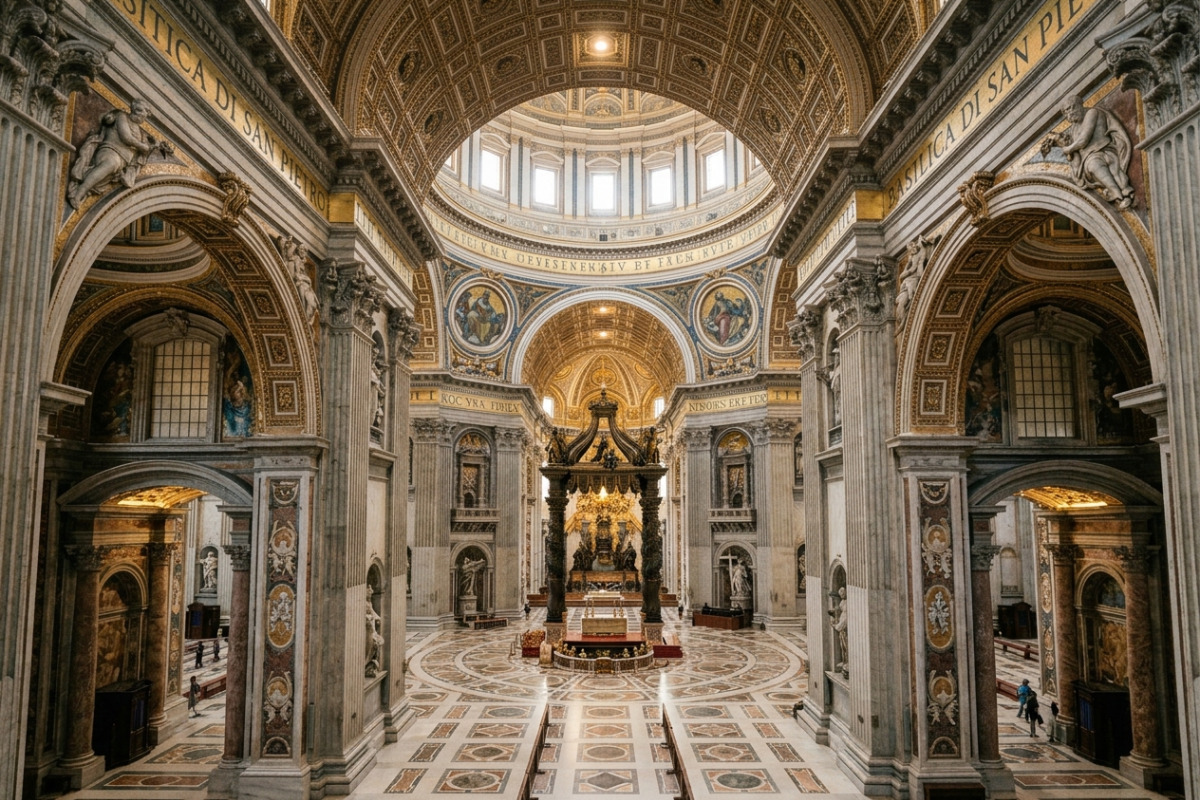
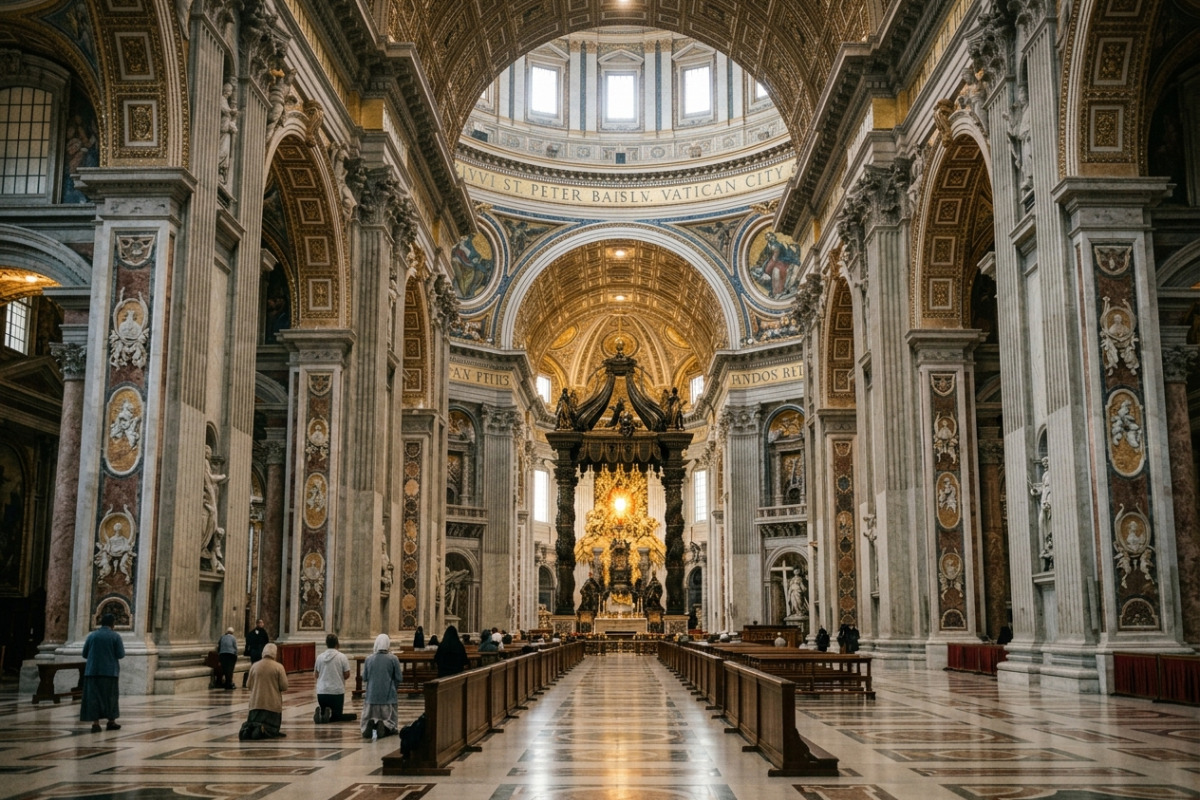
Once you pass security and enter the nave, the sheer volume of the space can be overwhelming. A common mistake is trying to fit everything into one frame, which often results in a cluttered image that lacks a focal point. Instead, try to use the architecture to guide the viewer's eye. Use the massive marble floors and the lines of the pillars as leading lines that draw attention toward The Altar of the Confessio and Bernini's bronze baldachin. Including a person in the frame—perhaps a distant worshipper or a Swiss Guard—can provide a necessary sense of scale, showing just how colossal the structure truly is.
One of the first masterpieces you will encounter is Michelangelo's Pietà. Photographing this sculpture is challenging because it is protected by a glass wall and often surrounded by crowds. To avoid reflections, try to get your lens as close to the glass as possible (without touching it) or use a polarizing filter. Zooming in on the face of Mary or the folds of her dress can yield a more emotional and intimate image than a wide shot that includes the protective barrier.
The Dome: A Two-Fold Photographic Journey
For many photographers, the highlight of the visit is the climb to the Cupola. This experience offers two distinct photographic opportunities. First, as you ascend, you will walk along the interior gallery of the dome. This vantage point allows you to look down into the Basilica from a dizzying height. It is the perfect spot to capture the geometric patterns of the marble floor and the tiny figures of visitors below. Be sure to secure your camera strap around your neck, as you are shooting through a protective fence.
The second reward comes when you reach the exterior viewing platform of The Dome. From here, you have a 360-degree view of Rome. The classic shot is looking directly down at St. Peter's Square, capturing the symmetry of Bernini’s oval colonnade and the Via della Conciliazione stretching toward the Castel Sant'Angelo. This is where a wide-angle lens shines, allowing you to encompass the entire architectural embrace of the square.
Hidden Gems and Artistic Details
While the main altar and the dome steal the show, do not neglect the smaller, intricate details that define the Basilica's artistry. The walls are adorned not with paintings, but with intricate mosaics that look like paintings from a distance. A visit to The Mosaic Studio (if accessible via special tour) or simply observing the altarpieces closely will reveal the texture of the tesserae. Macro photography enthusiasts will find endless inspiration here.
For a different atmosphere, venture below the main floor. The Vatican Grottoes contain the tombs of popes and offer a more solemn, low-light environment. Photography here is often restricted or requires extreme discretion; always check the signage. Similarly, The Treasury Museum holds ecclesiastical treasures, statues, and papal tiaras. The lighting here is museum-style—focused and dramatic—which is excellent for isolating subjects against dark backgrounds.
Pro Tip: When photographing the mosaics, try using a narrow aperture (f/8 or higher) to maximize depth of field and capture the intricate details across the entire surface. Experiment with different angles to see how the light interacts with the tesserae, creating unique patterns and textures.
For capturing the Swiss Guards, try using burst mode to increase your chances of capturing them in a dynamic pose. Be respectful and avoid obstructing their path.
Quick Reference: Photography Settings Cheat Sheet
To help you adjust quickly between the bright outdoors and the dim interiors, keep these general settings in mind:
| Location | Recommended Mode | ISO Range | Aperture | Focus Tip |
| St. Peter's Square (Day) | Aperture Priority (Av) | 100 - 200 | f/8 - f/11 | Focus on the Obelisk or Façade for sharpness. |
| Basilica Interior (General) | Manual or Av | 1600 - 3200 | f/2.8 - f/4 | Keep shutter speed above 1/60s to avoid shake. |
| The Dome (Interior View) | Shutter Priority (Tv) | 800 - 1600 | f/4 - f/5.6 | Underexpose slightly to preserve highlights in windows. |
| The Pietà (Low Light) | Manual | 3200+ | Widest available | Spot meter on the marble to avoid overexposure. |
Practical Tips and Etiquette
Photography in a place of worship requires a balance of enthusiasm and respect. Always be mindful of people praying and avoid taking photos during Mass. Silence is expected, so turn off your camera's shutter sound if possible. Dress code is strictly enforced; shoulders and knees must be covered, so ensure your photography attire is compliant to avoid being turned away at the entrance.
Planning Your Visit: St. Peter's Basilica is busiest between 10:00 AM and 1:00 PM. To avoid the largest crowds, consider visiting early in the morning or later in the afternoon. Weekdays are generally less crowded than weekends.
Finally, planning is key to getting the shots you want without the stress. We highly recommend booking your entry in advance to maximize your shooting time. You can check availability for Tickets & Tours online. If you have specific questions about what is allowed, the Frequently Asked Questions page is a valuable resource. For those interested in the deepest history of the site, exploring The Necropolis requires prior booking and has strict rules regarding photography, often prohibiting it entirely to preserve the site, so manage your expectations accordingly.
Capturing St. Peter's Basilica is a rewarding experience that pushes the boundaries of architectural and travel photography. By understanding the light, respecting the sanctity of the space, and looking for unique perspectives beyond the standard postcard shot, you will leave with a portfolio that truly reflects the majesty of the Vatican.