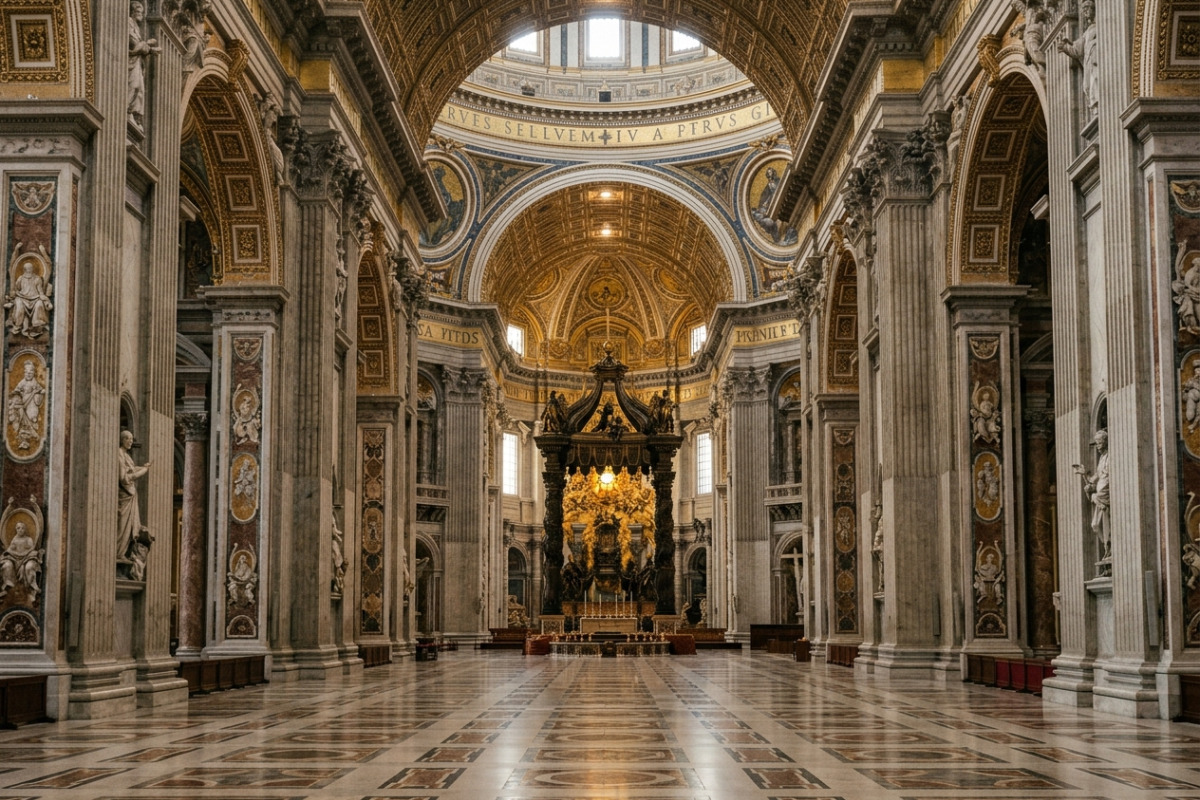
Stepping into St. Peter's Basilica is one of the most breathtaking experiences you can have in Rome, offering a profound mix of spiritual significance and artistic mastery. However, nothing dampens the excitement of this moment quite like being turned away at the entrance by the Swiss Guards because of an outfit choice. As we navigate travel in 2026, the Vatican remains steadfast in its traditions, maintaining strict rules regarding attire to preserve the sanctity of this holy site. Whether you are there to admire the architecture or for a religious pilgrimage, understanding the dress code is the very first step in how you Plan Your Visit to ensure a smooth and memorable experience.
Many travelers assume that because they are on vacation in sunny Italy, casual beachwear or summer attire is acceptable everywhere, but the Vatican City operates under its own specific guidelines. The dress code is not merely a suggestion; it is a mandatory requirement for all visitors, regardless of age or gender. By preparing your outfit in advance, you show respect for the institution and ensure that you won't miss out on seeing the incredible treasures inside. Let’s dive into the specifics of what is allowed and what is strictly forbidden so you can explore the Basilica with confidence.
The Golden Rule: Shoulders and Knees
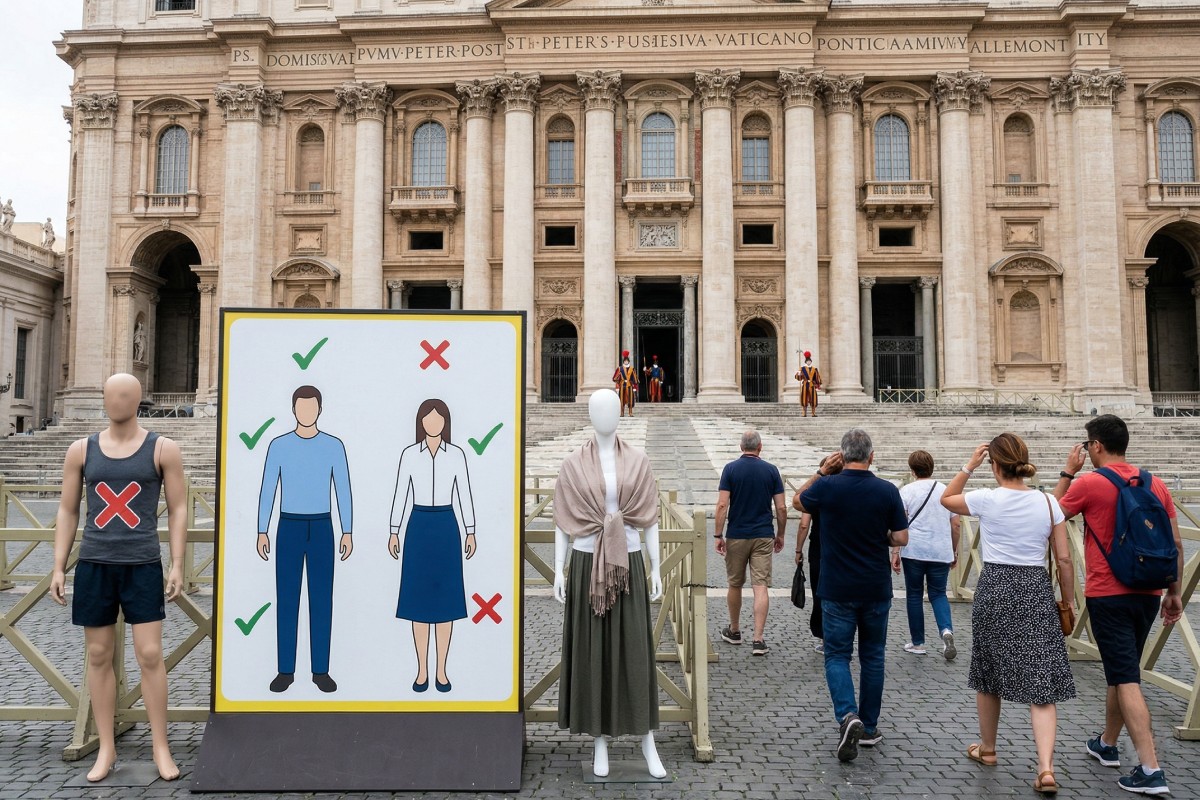
The fundamental rule for entering St. Peter's Basilica—and indeed any church in Italy—is that both shoulders and knees must be covered. This rule applies equally to men and women and is strictly enforced at the security checkpoints before you even reach the metal detectors. It does not matter how long the line is or how long you have waited; if your outfit does not meet these standards, you will likely be denied entry. This policy is in place to maintain a modest atmosphere befitting a place of worship, distinguishing the Basilica from a standard museum or tourist attraction.
For those visiting during the hot Roman summer, this can present a challenge, but there are easy workarounds. Many savvy travelers carry a lightweight scarf or shawl in their bag. Before approaching the entrance, they simply wrap it around their shoulders or tie it around their waist to lengthen a skirt. This simple accessory can save your day. However, relying on buying a scarf from the vendors outside the square can be a hassle and often results in overpaying for a low-quality item, so it is always better to come prepared.
Guidelines for Women
For women, the choices are relatively flexible as long as the core rules are followed. Sleeveless tops, spaghetti straps, and tank tops are not permitted unless covered by a cardigan, jacket, or shawl. When it comes to bottoms, skirts and dresses must fall below the knee. If you are wearing shorts, the same rule applies: they must cover the knees completely. Trousers and jeans are perfectly acceptable, and in recent years, linen pants have become a popular choice for staying cool while remaining modest. Avoid clothing that is excessively tight, sheer, or has a plunging neckline, as these may also be flagged by security personnel.
Guidelines for Men
Men often make the mistake of thinking the dress code is lenient for them, but this is not the case. Sleeveless shirts, tank tops, and vests are strictly prohibited. You must wear a shirt with sleeves; t-shirts are perfectly fine as long as they do not feature offensive slogans or imagery. The most common issue for men is shorts. While walking around Rome in shorts is standard, at the Vatican, shorts must cover the knees. Short athletic shorts or swim trunks are a definite no-go. Additionally, men are required to remove their hats upon entering the Basilica as a sign of respect.
Detailed Dress Code Breakdown
To make your packing easier, here is a quick reference table regarding what is generally accepted and what will cause issues at the security checkpoint.
| Clothing Item | Status | Notes |
| T-Shirts | Allowed | Must not have offensive graphics. |
| Tank Tops / Sleeveless | Forbidden | Shoulders must be covered. |
| Jeans | Allowed | Ripped jeans showing skin on thighs are not allowed. |
| Shorts (Above Knee) | Forbidden | Both men and women. |
| Long Skirts / Dresses | Allowed | Must be below the knee. |
| Sandals | Allowed | Flip-flops are discouraged but generally allowed; walking sandals are better. |
| Hats | Forbidden Inside | Must be removed upon entry. |
Footwear and Accessories
While the Vatican does not have a strict ban on open-toed shoes, selecting the right footwear is crucial for your comfort. You will likely be standing for long periods, especially if you plan to explore the vast interiors or take a tour. Sandals are permitted, but flip-flops can sometimes be frowned upon and are generally impractical for the amount of walking involved. If you plan to climb up to The Dome (Cupola), sturdy shoes are highly recommended as the stairs can be narrow and slippery. Comfort should be your priority, but keep it neat and presentable.
Regarding accessories, keep in mind that large backpacks and luggage are not allowed inside the Basilica. There is a cloakroom, but it is best to travel light to avoid wasting time. Small bags and cameras are permitted. If you are using the Audio Guide App to navigate the history of the church, bring your headphones so you can listen without disturbing others. Visible tattoos are generally acceptable, but if you have tattoos that could be considered offensive (religious or political symbols), it is respectful and safer to cover them.
Dressing for the Season
Rome experiences distinct seasons, and your strategy for meeting the dress code should adapt accordingly. In January 2026, for example, the weather is cooler, making it much easier to comply with the rules naturally. Coats, scarves, and long trousers are standard winter wear. However, winter visitors should remember that the interior of the Basilica can be drafty, so layers are key.
- Spring and Autumn: These are the ideal seasons for visiting. A light jacket or a long-sleeved shirt is usually sufficient. It is often warm enough for skirts but cool enough that covering up doesn't feel burdensome.
- Summer: This is the most challenging time. The heat outside can be intense, making you want to wear as little as possible. Opt for breathable fabrics like linen or cotton. Maxi dresses are excellent for women, and lightweight chinos work well for men.
- Winter: While covering up is easy, ensure you are comfortable removing bulky layers if you visit the warmer areas like the The Treasury Museum or if you get warm climbing the dome.
Respecting the Sacred Spaces
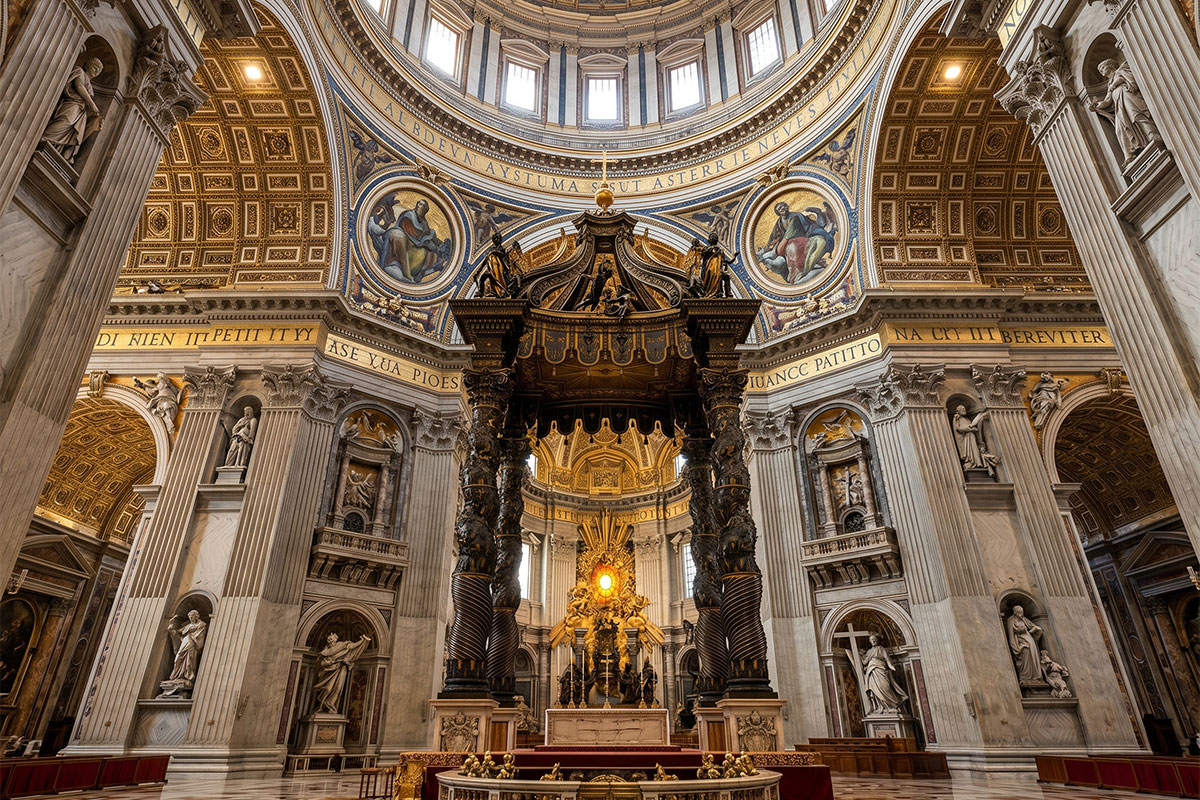
Once you have successfully navigated the dress code and security, you are free to explore the wonders within. It is important to remember that your attire reflects your respect for the sanctity of the site. When you stand before Michelangelo's Pietà, you are viewing a religious masterpiece in its intended setting. Similarly, as you approach The Altar of the Confessio, which marks the burial site of St. Peter, a modest appearance aligns with the solemnity of the location.
This respect is even more critical if you plan to visit the deeper, more sacred areas of the Vatican. Accessing The Vatican Grottoes where popes are buried, or taking the exclusive tour of The Necropolis, requires strict adherence to the rules. These areas are smaller and more intimate, making appropriate dress even more noticeable. If you have booked Tickets & Tours for these specific sections, ensure every member of your group is checked for dress code compliance before leaving your hotel to avoid disappointment.
Common Questions About the Dress Code
Travelers often have specific questions that go beyond the general rules. A frequent query is about children. Generally, the dress code is not as strictly enforced for young children (toddlers and infants), but once a child reaches school age (around 7 or 8 years old), they are expected to follow the same guidelines as adults. Another common question concerns "ripped" fashion. Even if your jeans cover your legs, if they have large rips that expose the thighs or knees, you may be turned away. It is better to be safe than sorry.
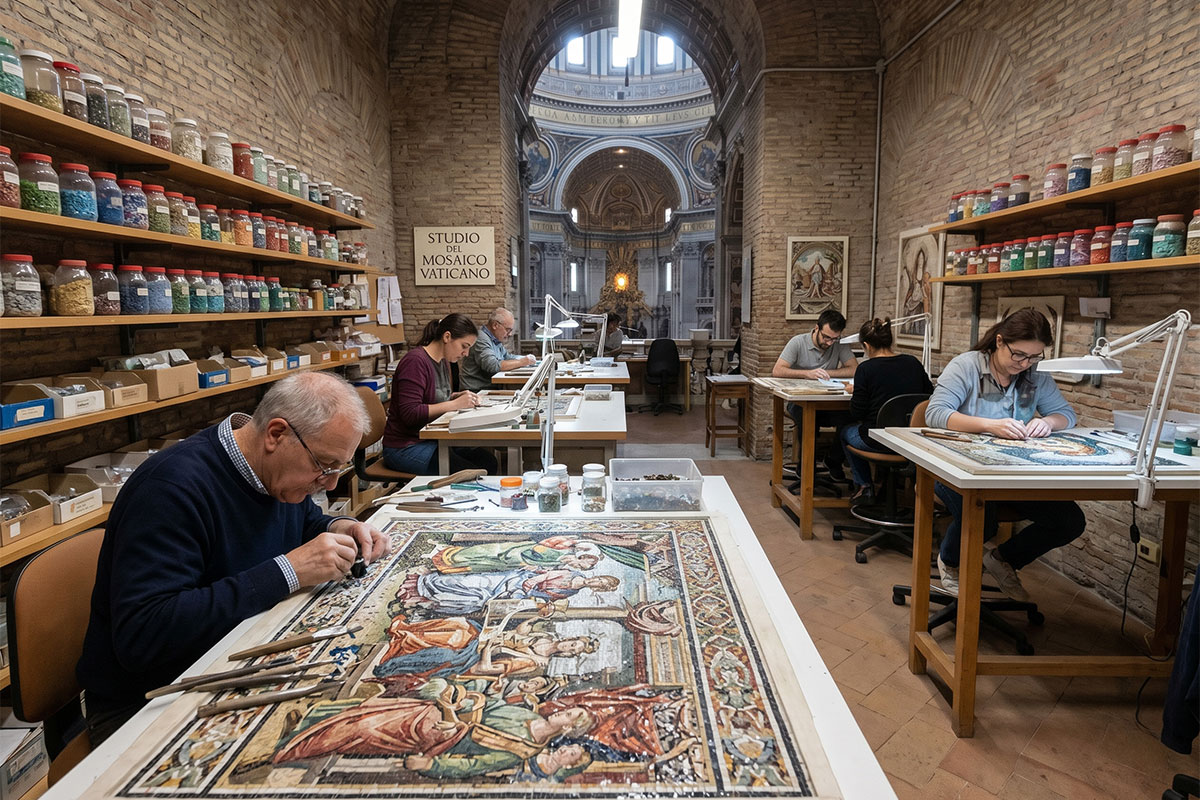
Finally, remember that the Vatican is a functioning state and the Basilica is an active church. Masses are held regularly. If you are visiting The Mosaic Studio or simply wandering the nave, you might encounter a procession or a service. Your attire allows you to blend in respectfully rather than standing out as a tourist who didn't care to follow the rules. For more detailed answers to specific logistical queries, you can always check the Frequently Asked Questions page.
FAQ: St. Peter's Basilica Dress Code
Q: Are leggings allowed in St. Peter's Basilica?
A: Leggings are generally acceptable for women, provided they are opaque and worn under a skirt or dress that falls below the knee. Avoid sheer or overly tight leggings.
Q: Can I wear a hat inside St. Peter's Basilica?
A: No, hats must be removed upon entering the Basilica as a sign of respect.
Q: Are tattoos allowed in St. Peter's Basilica?
A: Visible tattoos are generally acceptable, but if you have tattoos that could be considered offensive (religious or political symbols), it is respectful and safer to cover them.
Q: What if I am wearing shorts and don't have a scarf or shawl?
A: While vendors outside the Basilica sell scarves and wraps, it's best to come prepared. Purchasing from these vendors can be expensive and the quality may be low. If you are already in line, you may be denied entry and have to purchase something before re-entering the queue.
Q: Is there a dress code for children?
A: The dress code is not as strictly enforced for young children (toddlers and infants). However, once a child reaches school age (around 7 or 8 years old), they are expected to follow the same guidelines as adults.
By following these simple guidelines, you ensure that your focus remains on the breathtaking beauty of the architecture and the spiritual atmosphere, rather than worrying about whether you will be allowed inside. A little preparation goes a long way in making your visit to St. Peter's Basilica a highlight of your Roman holiday.