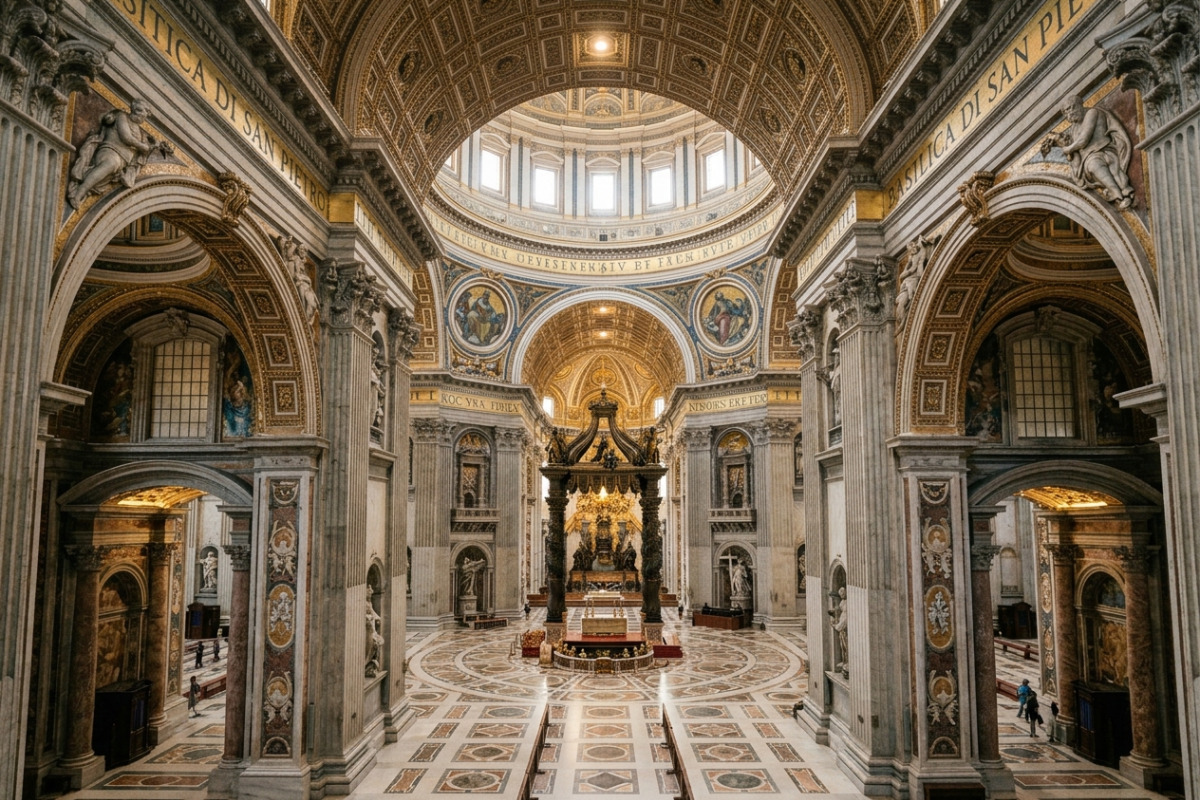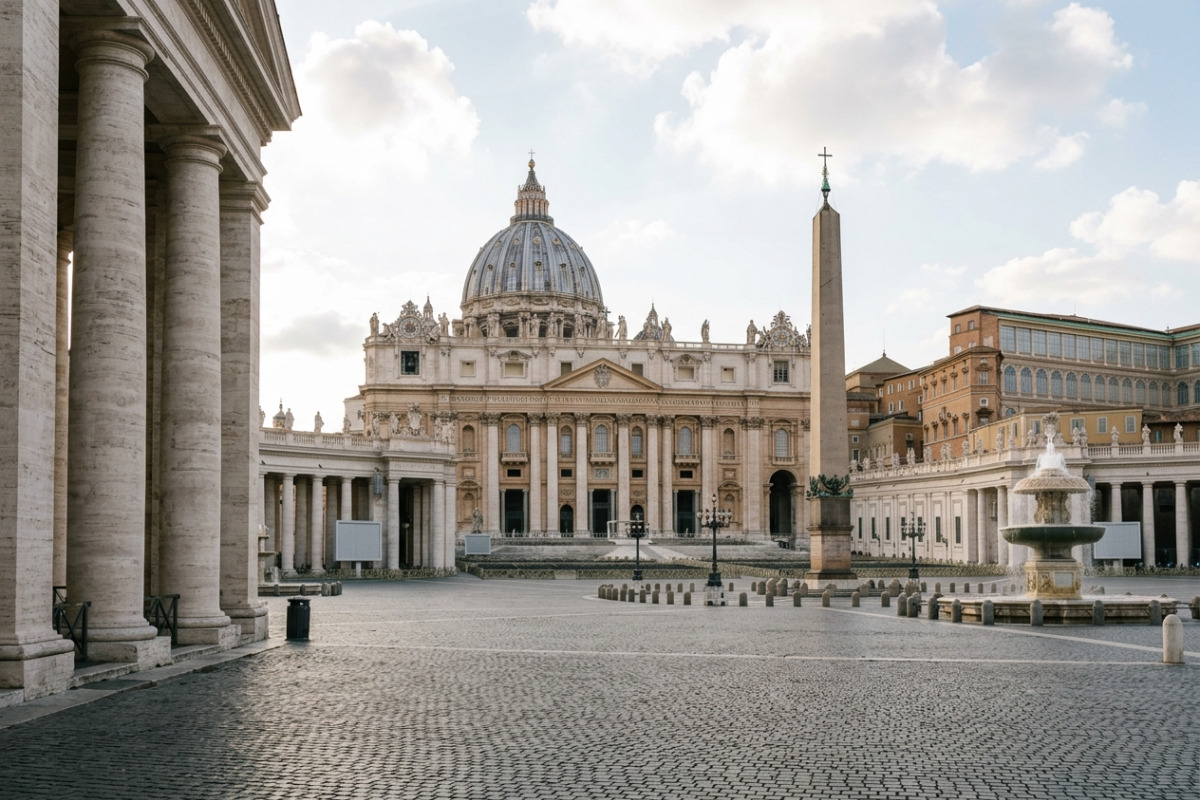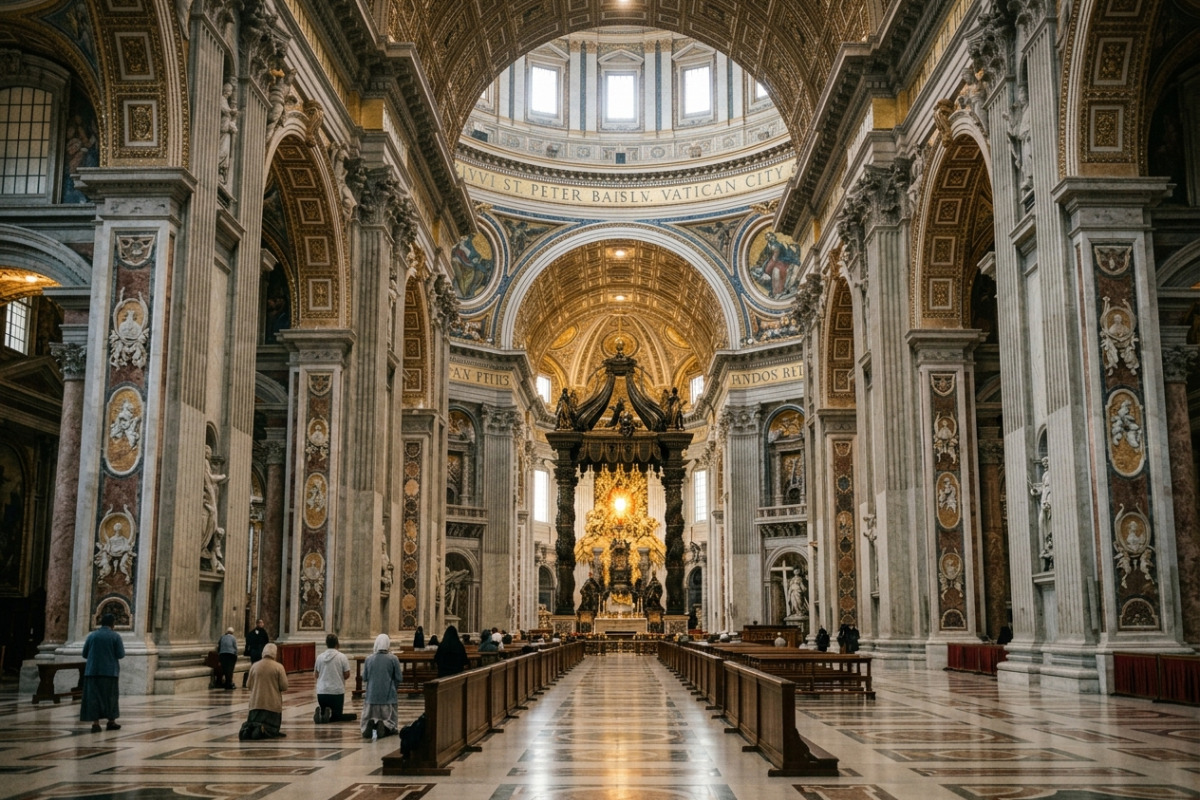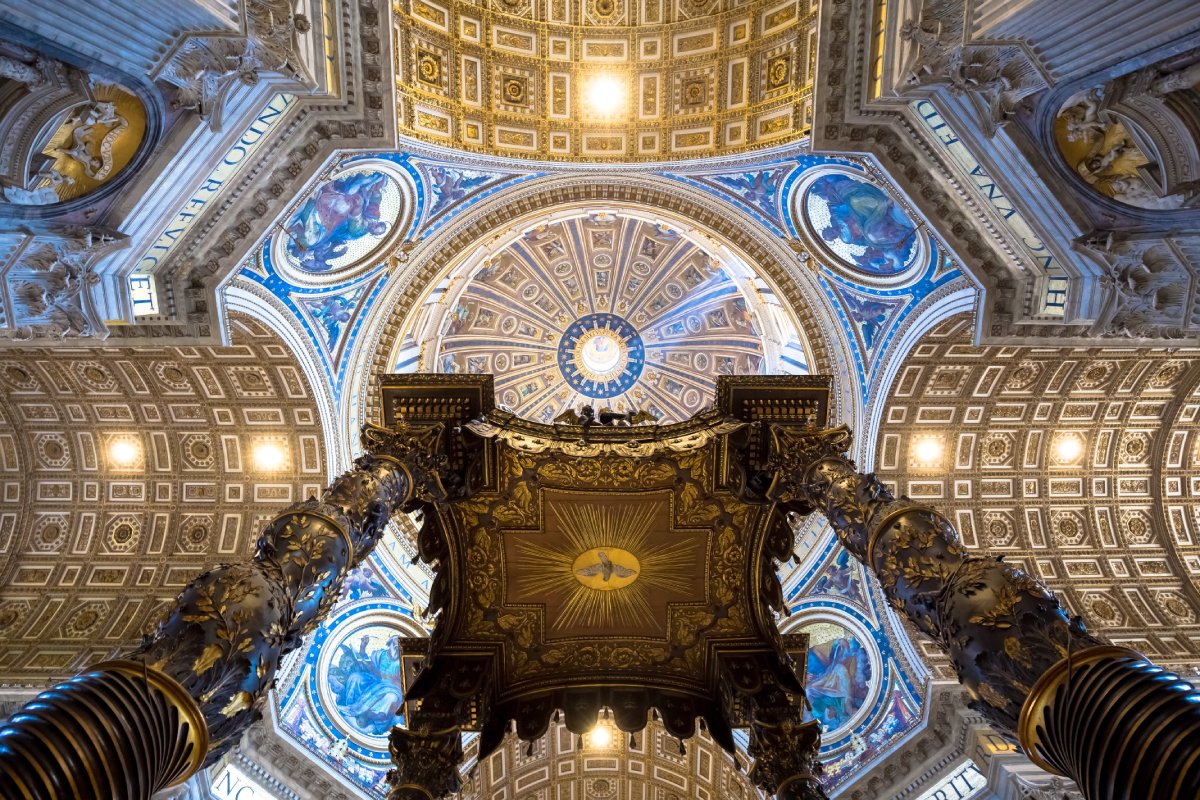
Stepping into the vast embrace of St. Peter’s Basilica is an experience that transcends mere tourism; it is a journey into the very heart of human creativity and spiritual expression. As we navigate the grand nave in January 2026, the sheer scale of the architecture often commands our immediate attention, yet it is the artistic soul of the High Renaissance that truly breathes life into these stones. While the colossal dome of Michelangelo often dominates the skyline and the conversation, the subtle, harmonious, and profoundly emotional influence of Raphael Sanzio remains a cornerstone of the Vatican’s aesthetic identity. His work represents the pinnacle of Renaissance idealism, blending classical beauty with Christian devotion in a way that continues to captivate millions of pilgrims and art lovers alike.
Raphael’s relationship with the Vatican was intense, productive, and ultimately transformative, marking a golden era in Roman art history. Unlike the tormented genius of Michelangelo, Raphael was known for his grace, his social ease, and a style of painting that exuded a serene perfection. To truly understand the artistic tapestry of the Basilica, one must look beyond the architecture and delve into the specific contributions of this master. By using resources like the Plan Your Visit page, travelers can organize their itinerary to ensure they do not miss the subtle echoes of Raphael’s genius amidst the grandeur of the church.
The High Renaissance: A Golden Age of Art
The early 16th century in Rome was a period of unparalleled artistic explosion, driven largely by the ambitious patronage of the Papacy. The High Renaissance was characterized by a quest for harmony, proportion, and naturalism, moving away from the stiff stylization of the medieval period. Raphael arrived in Rome in 1508, invited by Pope Julius II, a shrewd political operator and significant patron of the arts. His arrival marked a turning point, quickly establishing him as a rival to the established masters. His work is defined by clarity of form and ease of composition, qualities that would eventually influence the visual language of the Western world for centuries.
Within the context of St. Peter's, Raphael’s influence extends beyond just paint on canvas; it touches the very philosophy of the space. He served as the chief architect of the Basilica for a brief period following the death of Donato Bramante. Although his architectural plans—which favored a Latin cross design—were eventually modified by his successors, his vision contributed to the evolving narrative of the Basilica's construction. To see the culmination of these architectural evolutions, visitors often Explore the Basilica with a keen eye for the transition between different architectural styles, from the Renaissance to the Baroque. Bramante's original design, a Greek cross plan, was a radical departure from traditional basilica architecture, and Raphael's proposed Latin cross offered a compromise that balanced innovation with established forms.
The Transfiguration: A Masterpiece Reborn in Mosaic
Perhaps the most profound connection between Raphael and the interior of St. Peter’s Basilica is found at the Altar of the Transfiguration. Here lies a monumental reproduction of Raphael’s final and perhaps greatest masterpiece, The Transfiguration. It is crucial for visitors to understand that the damp and humid conditions of the Basilica are unkind to oil paintings. Consequently, starting in the 18th century, the Vatican undertook the massive project of replacing the original altar paintings with intricate mosaics that could withstand the test of time.
The mosaic of the Transfiguration is a marvel of craftsmanship, executed with such precision that it is often mistaken for a painting until viewed up close. The original oil painting, which Raphael was working on up until his premature death on Good Friday in 1520, now resides in the Vatican Museums' Pinacoteca. However, the mosaic within the Basilica allows the artwork to serve its intended liturgical function. This vibrant piece captures two simultaneous biblical narratives: the transfiguration of Christ on Mount Tabor and the failure of the Apostles to cure a possessed boy below. The contrast between the divine light above and the chaotic human struggle below is a testament to Raphael's storytelling ability.
The creation of these mosaics is an art form in itself, maintained today by the skilled artisans of the Vatican. Visitors fascinated by this intricate process should read about The Mosaic Studio, where the ancient techniques used to create these everlasting images are preserved and practiced. The colors in the Transfiguration mosaic—particularly the ethereal whites of Christ’s garments and the deep chiaroscuro of the lower scene—shimmer under the Basilica’s lights, bringing the Renaissance vision to life for modern eyes. Consider the sheer number of tesserae (individual mosaic tiles) used to create this masterpiece, each meticulously placed to capture the nuances of Raphael's original painting.
Raphael vs. Michelangelo: Titans of the Vatican
It is impossible to discuss Raphael without acknowledging his legendary rivalry with Michelangelo. Both men were working in the Vatican at the same time—Michelangelo on the Sistine Chapel ceiling and Raphael on the Stanze (papal apartments). Their styles were distinct yet complementary, representing the two poles of the High Renaissance. While Michelangelo focused on the raw power and muscularity of the human form, Raphael emphasized grace, complex group compositions, and emotional resonance.
Within St. Peter's Basilica, this dialogue continues. Just a short walk from Raphael’s Transfiguration mosaic, one can find Michelangelo's Pietà. Comparing these two masterpieces offers a profound lesson in art history:
| Feature | Raphael (The Transfiguration) | Michelangelo (The Pietà) |
| Primary Emotion | Drama, Chaos vs. Divine Peace | Sorrow, Resignation, Serenity |
| Composition Style | Complex, multi-figure, dynamic movement | Pyramidal, focused on two figures, static |
| Medium in Basilica | Mosaic reproduction (Original is Oil) | Original Carrara Marble Sculpture |
| Artistic Focus | Color theory, light, and storytelling | Anatomy, texture, and physical weight |
While Michelangelo eventually took over the architectural direction of the church, designing the massive dome that crowns the structure, Raphael’s influence softened the edges of the Vatican’s aesthetic. To understand the scale of Michelangelo's architectural contribution compared to Raphael's earlier plans, a visit to The Dome is essential, offering views that contextualize the entire Vatican City. Michelangelo's dome, inspired by Brunelleschi's dome in Florence, became a symbol of the Papal power and the High Renaissance's architectural ambition.
The Legacy in Stone and Spirit
Raphael’s sudden death at the age of 37 shocked Rome and the art world. He was buried in the Pantheon, a testament to his artistic stature, but his spirit permeates the Vatican. Beyond the Transfiguration, his influence is felt in the Loggias and the general decorative richness that paved the way for the Baroque era. His students and workshop continued his legacy, influencing the decoration of the sacred spaces, including areas near The Altar of the Confessio.
For those looking to deepen their understanding of the layers of history beneath the Renaissance art, a visit to The Necropolis or The Vatican Grottoes reveals the foundations upon which these masters built. It is a reminder that the Renaissance was not just about surface beauty, but about connecting the present glory of the Church with its ancient roots.
Practical Tips for the Art Lover
Visiting St. Peter’s Basilica to see these artworks requires some planning, especially given the crowds in 2026. To make the most of your visit and truly appreciate the details of the mosaics and sculptures, consider the following advice:
- Secure Access Early: Long lines are common. It is highly recommended to check Tickets & Tours options that might offer guided access or skip-the-line privileges, allowing you more time in front of the art.
- Enhance the Experience: The history of Raphael’s involvement and the details of the Transfiguration mosaic are complex. Downloading the official Audio Guide App can provide a rich narrative accompaniment as you walk through the nave.
- Dress Appropriately: Remember that this is an active place of worship. Shoulders and knees must be covered.
- Explore the Treasury: For more sacred art and liturgical objects from the Renaissance period, do not miss The Treasury Museum located within the Basilica.
If you have specific concerns about accessibility or timings, the Frequently Asked Questions section is a valuable resource to consult before your trip.
Conclusion
Raphael Sanzio was more than just a painter; he was a visionary who helped define the visual identity of the Catholic Church at a pivotal moment in history. While his architectural plans for St. Peter’s were superseded, his artistic soul remains embedded in the Basilica’s fabric. Standing before the mosaic of the Transfiguration, one witnesses the bridge between the human and the divine—a reflection of the Renaissance spirit that continues to inspire awe today.