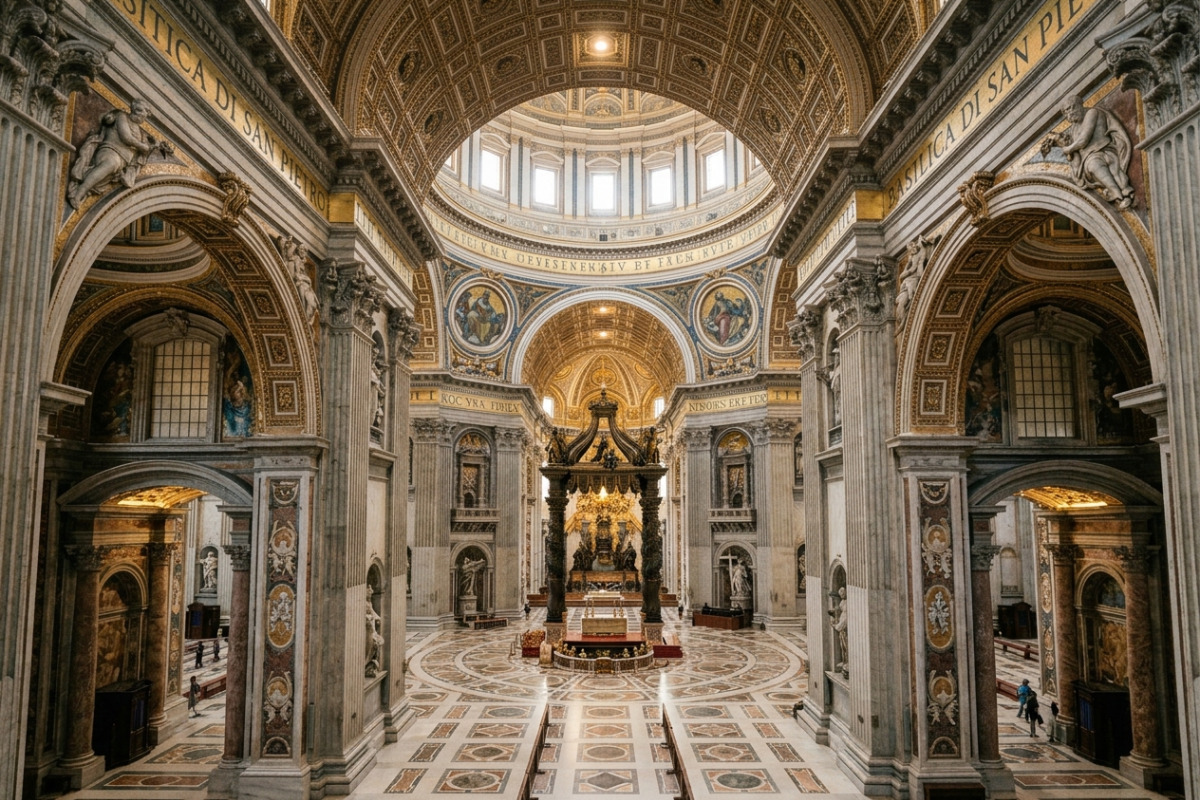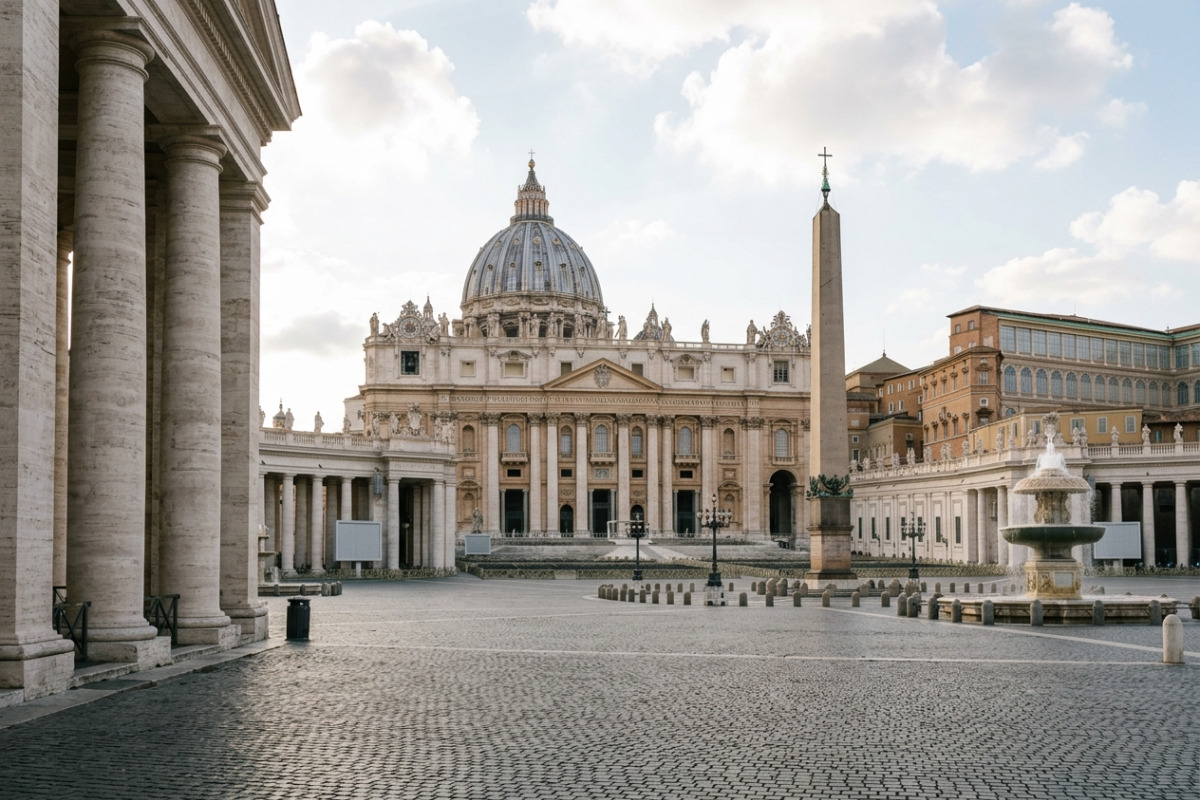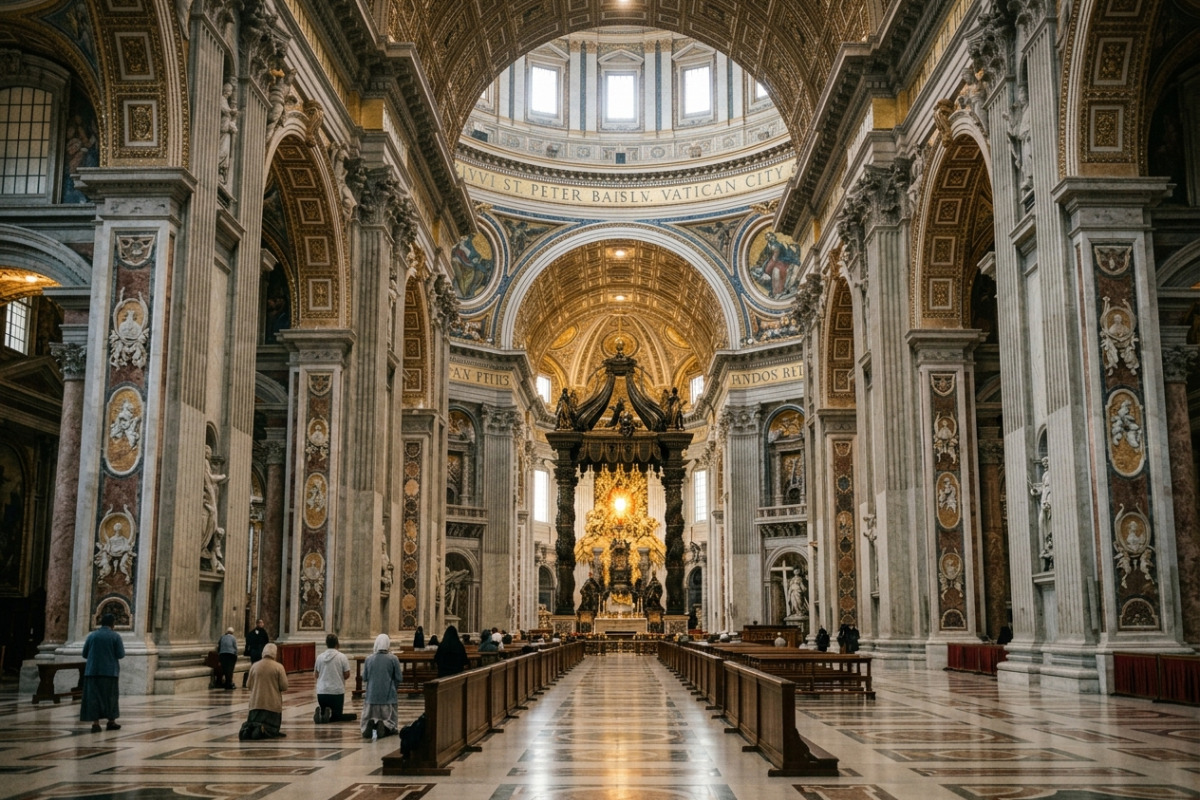
Standing in the center of St. Peter's Square in January 2026, surrounded by the embracing colonnades of Bernini, it is easy to be overwhelmed by the sheer grandeur of the Vatican. Yet, beneath the marble masterpieces and the soaring dome lies a story that begins not with gold and power, but with a humble fisherman from Galilee. The legacy of St. Peter is the bedrock upon which the entire Vatican City—and indeed, a vast portion of Christian history—rests. To understand the Basilica, one must first understand the man, Simon Peter, whose journey from a boat on a lake to a martyr’s cross in Rome changed the world forever.
For the modern traveler and pilgrim alike, visiting this sacred site is more than a sightseeing tour; it is an excavation of history. Every stone, every mosaic, and every altar within these walls serves as a testament to the "Rock" upon whom the church was built. As we explore the layers of history preserved here, we move from the spiritual origins of the papacy to the tangible artifacts that commemorate the life of the first Pope.
From Galilee to Rome: The First Pope
The transformation of Simon into Peter (from the Greek Petros, meaning Rock) is one of the most pivotal moments in biblical history. Tradition and historical texts describe him as the leader of the Apostles, a man of impulsive faith and deep loyalty. His arrival in Rome during the reign of Emperor Nero marked the beginning of a new chapter for the early Christian community. Unlike the majestic figure depicted in Renaissance art, the Peter of history walked the gritty streets of ancient Rome, preaching a message of hope in a time of persecution.
His legacy as the first Pope is not merely a title but a lineage of spiritual authority that has continued unbroken for two millennia. This continuity is physically represented within the Basilica. As you walk through the nave, you are treading the same ground where pilgrims have sought connection with the Apostle for centuries. To fully appreciate the layout and the specific areas dedicated to his memory, you can Explore the Basilica sections online or with a map, tracing the path that leads ultimately to the central altar.
The Necropolis: A Secret Beneath the Altar
Perhaps the most profound aspect of St. Peter's legacy is hidden from plain sight. Deep beneath the polished floors of the current Basilica lies an ancient Roman city of the dead. It was here, on the slopes of Vatican Hill, that Peter was martyred and buried in a simple earthen grave. For centuries, this location was whispered about, but it wasn't until the archaeological excavations of the 20th century that the truth was unveiled.
The Vatican Necropolis is a time capsule, preserving narrow streets and pagan mausoleums that date back to the 1st century. At the core of this underground maze is the "Trophy of Gaius," a monument built by early Christians to mark Peter's grave. Visiting The Necropolis (Scavi) is an intensely moving experience, bringing you face-to-face with the graffiti of ancient pilgrims who scratched "Peter is here" onto the walls. It grounds the soaring architecture above in the gritty reality of history.
Imagine walking through these dimly lit passages, the air thick with the weight of centuries. The Necropolis isn't just a burial ground; it's a vibrant snapshot of Roman life, complete with family tombs adorned with mosaics and stucco reliefs. These elaborate mausoleums, once belonging to wealthy Roman families, offer a fascinating glimpse into the beliefs and customs of the time. The tour requires advance booking and is highly regulated to protect the fragile environment, but the experience is unparalleled. You'll witness firsthand the evolution of burial practices and the early Christian reverence for St. Peter's final resting place.
The Altar of the Confessio: The Heart of the Basilica
Directly above the humble grave of the Apostle stands the high altar of the Basilica, known as the Papal Altar. This vertical axis—from the bones of the saint deep underground to the cross atop the dome—is the theological spine of the building. The area immediately in front of the altar is known as the Confessio, a sunken chapel that allows pilgrims to be as close as possible to the tomb without descending into the excavations.
The Confessio is shimmering with oil lamps that burn perpetually, symbolizing the undying light of faith. It is a place of silence and prayer amidst the bustle of the church. When you visit The Altar of the Confessio, you are looking at the exact spot that Emperor Constantine identified in the 4th century as the burial place of Peter, a decision that dictated the location of the original basilica and its Renaissance successor.
Art as Theology: Commemorating the Saint
The artistic heritage of St. Peter’s Basilica is not just decoration; it is a visual narrative of Peter’s significance. The sheer scale of the interior was designed to reflect the magnitude of the "Keys to the Kingdom" given to Peter. One cannot discuss the art here without looking up. Designed by Michelangelo, the cupola is an architectural marvel that crowns the saint's tomb. Climbing The Dome offers not only a breathtaking view of Rome but also a closer look at the inscription encircling the interior, proclaiming Peter as the Rock.
Furthermore, the interior is adorned with intricate mosaics that look like paintings from a distance. These masterpieces, created by the Vatican's own artisans, ensure that the images of Peter and the saints remain vibrant despite the passage of centuries. You can learn more about this intricate craft at The Mosaic Studio. Additionally, while the Basilica is dedicated to Peter, it houses other supreme works of devotion, such as Michelangelo's Pietà. This sculpture, depicting the sorrow of Mary, complements the narrative of sacrifice that defines Peter's own martyrdom.
[Placeholder for Image: Bronze Statue of St. Peter with worn foot]
[Placeholder for Image: Interior view of St. Peter's Basilica, showing the dome and mosaics]
Key Historical Artifacts Associated with St. Peter
- The Bronze Statue of St. Peter: Located in the nave, this medieval statue is famous for its worn right foot, smoothed by the touch of millions of pilgrims over centuries.
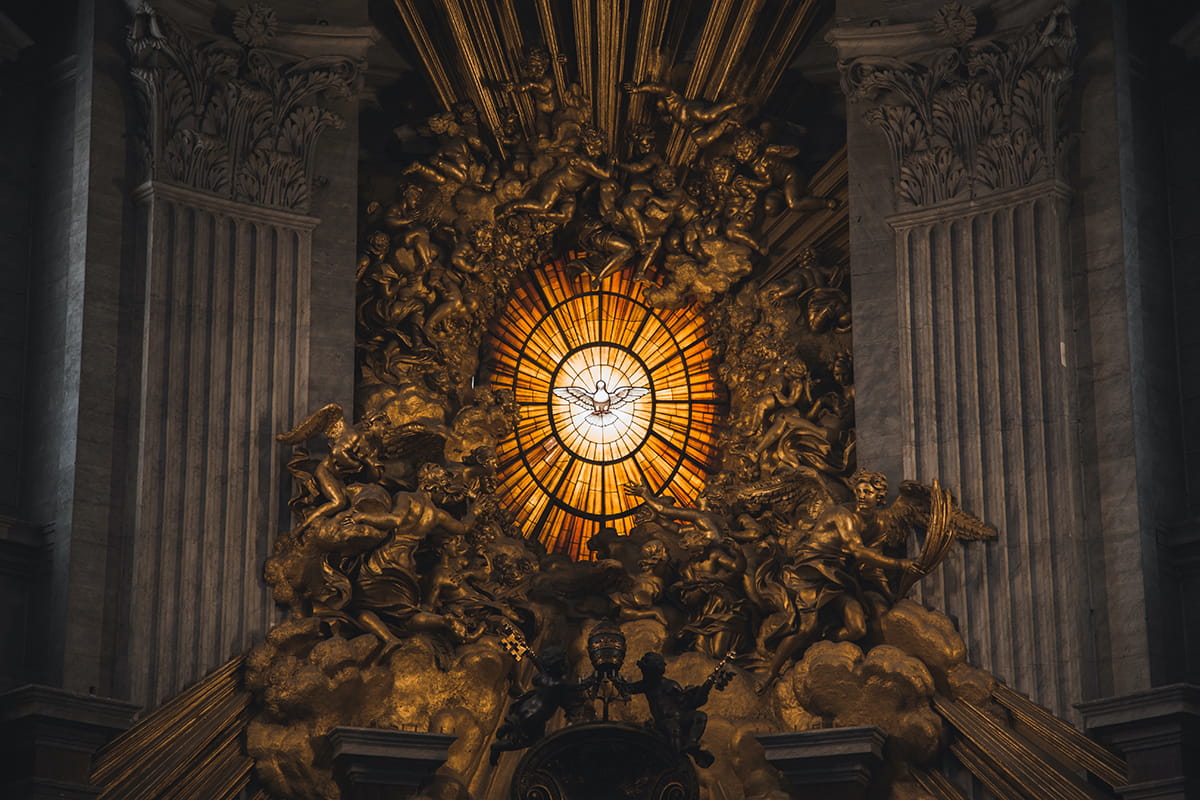
- The Chair of St. Peter (Cathedra Petri): Enclosed in Bernini's magnificent bronze throne in the apse, this ancient wooden chair symbolizes the teaching authority of the Pope.
- The Pallium Niche: Located in the Confessio, this niche contains the casket of palliums (woolen bands) given to new archbishops, symbolizing their bond with St. Peter.
The Vatican Grottoes and the Treasury
Between the floor of the Basilica and the ancient Necropolis lies another layer of history: the Vatican Grottoes. This level contains the tombs of kings, queens, and dozens of Popes who desired to be buried near the Apostle. Walking through The Vatican Grottoes is a walk through the timeline of the Church, seeing the final resting places of figures who shaped Western civilization.
For those interested in the liturgical history surrounding the legacy of St. Peter, The Treasury Museum is an essential stop. It houses sacred vestments, reliquaries, and gifts offered to the Basilica throughout history. These objects offer a glimpse into the immense veneration St. Peter has commanded from emperors and commoners alike for 2,000 years.
Planning Your Journey Through History
Visiting a site of such immense historical and spiritual weight requires some planning to fully appreciate the depth of the experience. The Basilica is vast, and the crowds can be overwhelming. To ensure you don't miss the critical elements of St. Peter's legacy, it is highly recommended to secure Tickets & Tours in advance, especially for guided options that provide historical context.
For independent travelers, technology offers a bridge to the past. Using an Audio Guide App can transform a visual walkthrough into an educational journey, explaining the significance of the statues, altars, and architectural feats as you stand before them. Before you pack your bags, be sure to review the Plan Your Visit page for dress codes and entry times.
St. Peter's Timeline: A Quick Reference
| Era | Event | Significance |
| 1st Century AD | Martyrdom of Peter | Crucified upside down in Nero's Circus; buried on Vatican Hill. |
| 4th Century AD | Constantine's Basilica | First church built over the tomb, officially marking the site. |
| 16th-17th Century | New Basilica Construction | Bramante, Michelangelo, and Bernini create the current masterpiece. |
| 1940s | Excavations (Scavi) | Rediscovery of the original grave and Peter's bones. |
Frequently Asked Questions
Understanding the layers of history at the Vatican can be complex. Here are answers to common queries regarding St. Peter's legacy.
- Is St. Peter really buried under the Basilica?
Yes, archaeological evidence and Church tradition strongly support that the tomb located in the Necropolis contains the remains of the Apostle. - Can I visit the tomb of St. Peter?
You can visit the Confessio area from the main floor, but to see the actual grave in the Necropolis, you need to book a special Scavi tour well in advance. - Why is he called the First Pope?
Catholic tradition traces the lineage of the Papacy back to Peter, based on Christ's statement: "You are Peter, and on this rock I will build my church."
For more detailed answers regarding logistics and history, you can refer to the Frequently Asked Questions section. The legacy of St. Peter is not a static chapter in a history book; it is a living narrative that continues to breathe within the walls of the Vatican, inviting every visitor to become a part of its ongoing story.