There are few events on the global stage that command as much mystery, reverence, and anticipation as the Papal Conclave. It is a ritual steeped in centuries of tradition, played out behind the locked doors of the Sistine Chapel, yet watched by millions around the world. For the faithful and the curious alike, the sight of a small chimney atop the Vatican roof becomes the focal point of history in the making. When the seat of Peter falls vacant, the machinery of the oldest institution in the Western world springs into motion to select a new spiritual guide.
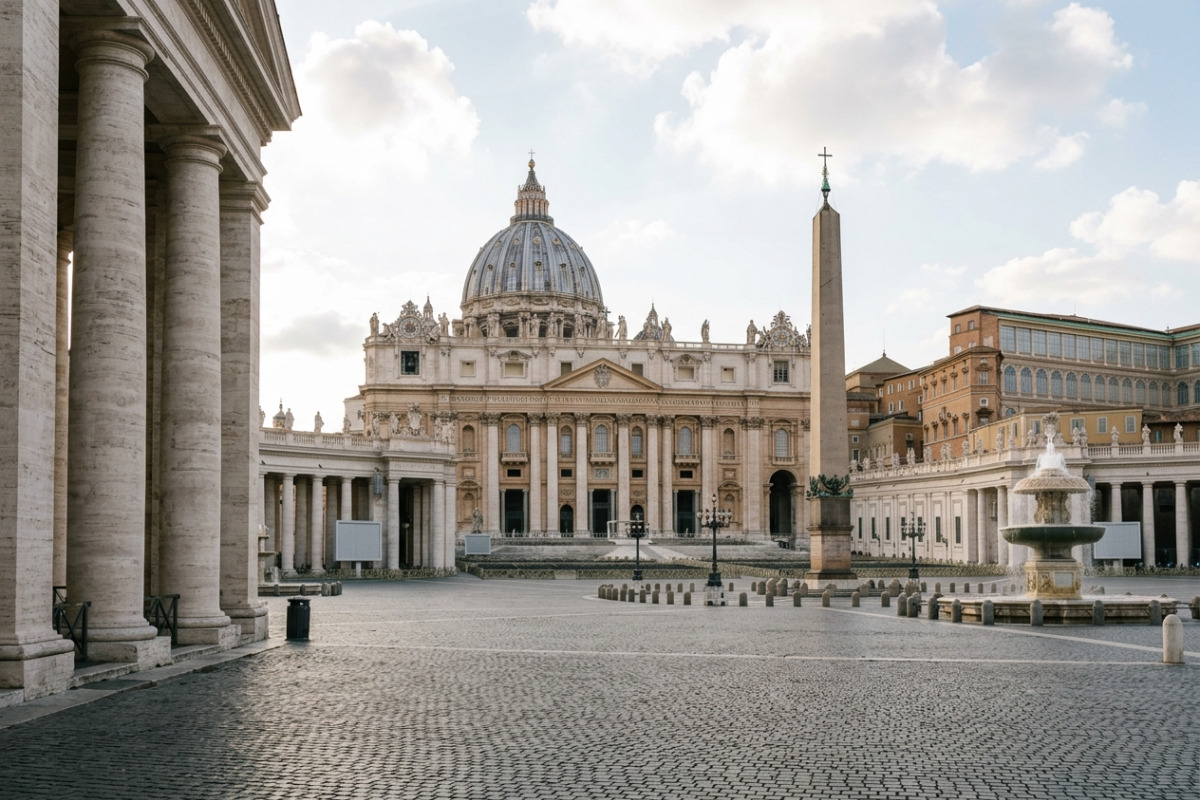
Standing in St. Peter's Square during a conclave is an electrifying experience. The atmosphere is thick with prayer, speculation, and a shared sense of waiting. While the cardinals deliberate in absolute secrecy, the rest of the world turns its eyes toward the Vatican, waiting for the white smoke that signals Habemus Papam—We Have a Pope. Understanding the mechanics behind this ancient election offers a deeper appreciation for the history that permeates every stone of this holy city.
The Meaning of 'Conclave': Locked With a Key
The term "conclave" is derived from the Latin cum clave, meaning "with a key." This is not merely symbolic; it refers to the historical necessity of locking the cardinals away from the outside world to ensure the election is free from political influence and interference. In the medieval era, elections could drag on for months or even years. To expedite the process, local authorities began locking the cardinals in and, in extreme cases, reducing their food rations until a decision was made.
Today, the physical locking of the doors remains a pivotal part of the ritual, though the conditions are far more comfortable. The College of Cardinals gathers to invoke the Holy Spirit and cast their ballots. While the location of the voting is the Sistine Chapel, the entire Vatican City State feels the weight of the event. For visitors hoping to understand the scale of this venue, taking time to plan your visit to the surrounding areas of the Basilica is essential to grasping the magnitude of the occasion.
The Vacancy of the Holy See: Sede Vacante
The process begins officially when the office of the Pope is vacant, a period known as Sede Vacante. This occurs upon the death or, more rarely, the resignation of a Pope. During this interim period, the governance of the Church falls to the Chamberlain (Camerlengo), but his powers are strictly limited. No major decisions can be made; the Church effectively holds its breath.
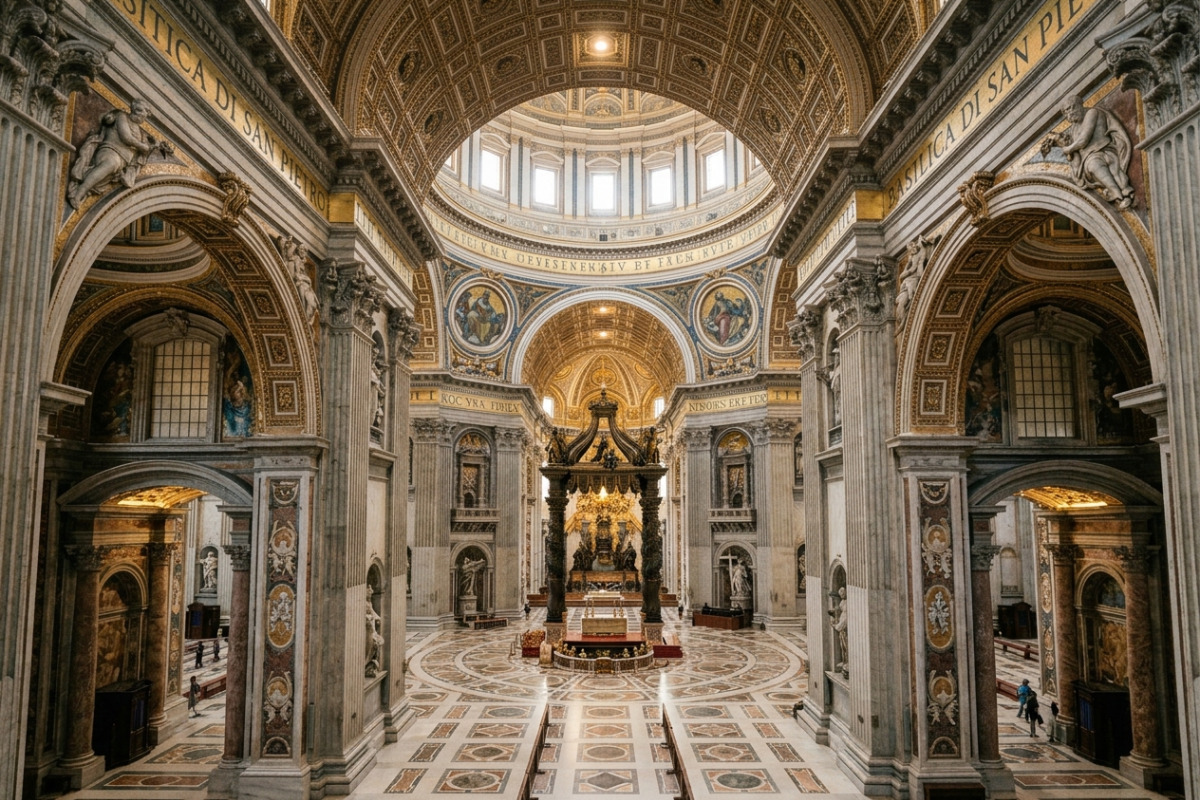
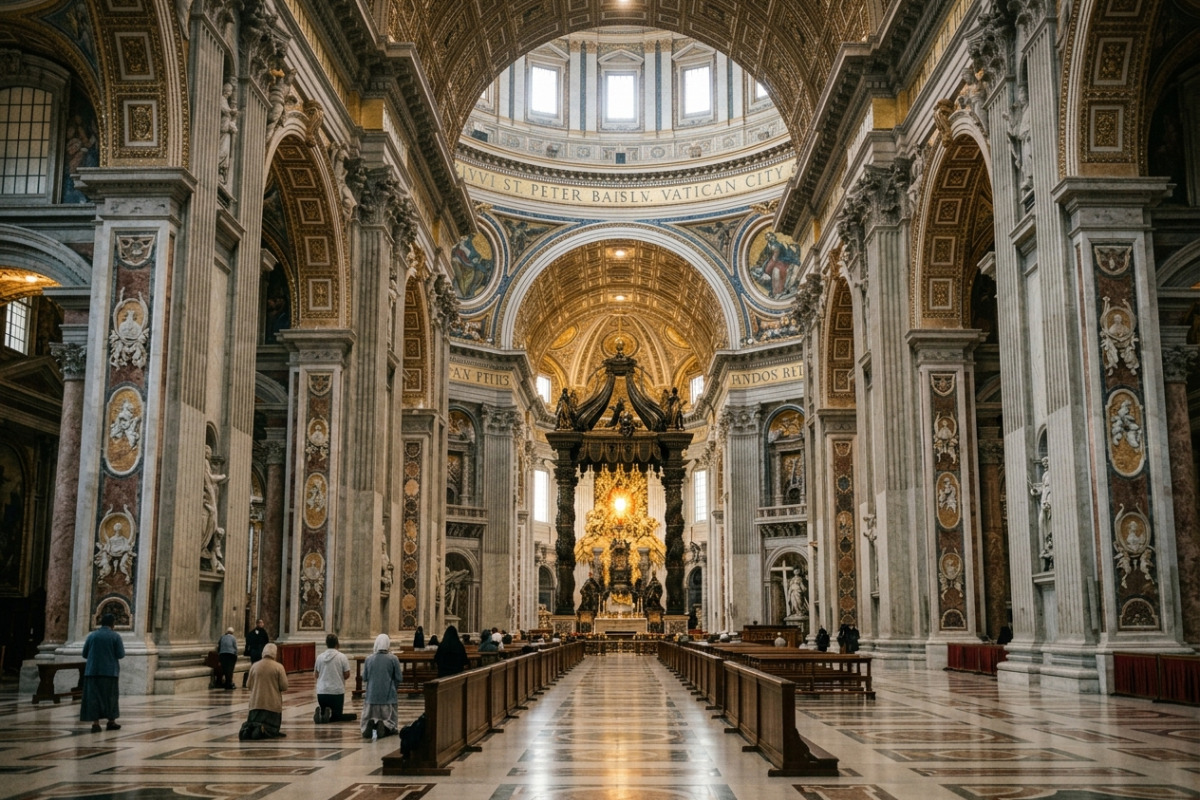
Before the voting begins, the cardinals celebrate the "Pro Eligendo Papa" Mass in St. Peter’s Basilica. This public liturgy is a moment of profound solemnity, where the electors pray for wisdom. If you have ever walked through the nave or stood near The Altar of the Confessio, you can imagine the visual impact of over one hundred cardinals in crimson vestments processing toward the altar, carrying the weight of the Church's future on their shoulders.
Inside the Sistine Chapel: The Rituals of Voting
Once the Mass is concluded, the cardinals process into the Sistine Chapel. Here, beneath Michelangelo’s masterpiece, The Last Judgment, they take an oath of absolute secrecy. This is followed by the pronouncement of Extra Omnes (Everyone Out), at which point all support staff, journalists, and unauthorized personnel must leave. The heavy wooden doors are closed and locked.
The Balloting Process
The election follows a strict schedule. While the specific timings can vary slightly, the daily routine is rigorous. The voting process is entirely manual and paper-based, resisting the digital age to prevent hacking or leaks.
- Scrutiny: Each cardinal writes the name of his chosen candidate on a rectangular card inscribed with the words Eligo in Summum Pontificem (I elect as Supreme Pontiff).
- The Walk: One by one, they approach the altar, hold the ballot up to show it is unique, and place it into a chalice or urn.
- Counting: Three scrutineers (counters) tally the votes aloud. The names are read out so every cardinal can track the progress.
- Burning: Once the count is finished, the ballots are pierced with a needle and thread, bundled together, and burned in a special stove installed specifically for the conclave.
This method ensures that the choice is made by the individuals present, guided by prayer and conscience rather than external pressure.
Smoke Signals: Black vs. White
The most famous aspect of the Papal Conclave is the smoke signal used to communicate the results to the outside world. This is the only way the public knows what is happening inside the locked chapel.
| Smoke Color | Meaning | Chemical Additives (Modern Era) |
| Black Smoke (Fumata Nera) | No result. A two-thirds majority has not been reached. | Potassium perchlorate, anthracene, and sulfur. |
| White Smoke (Fumata Bianca) | A new Pope has been elected and has accepted the office. | Potassium chlorate, lactose, and rosin. |
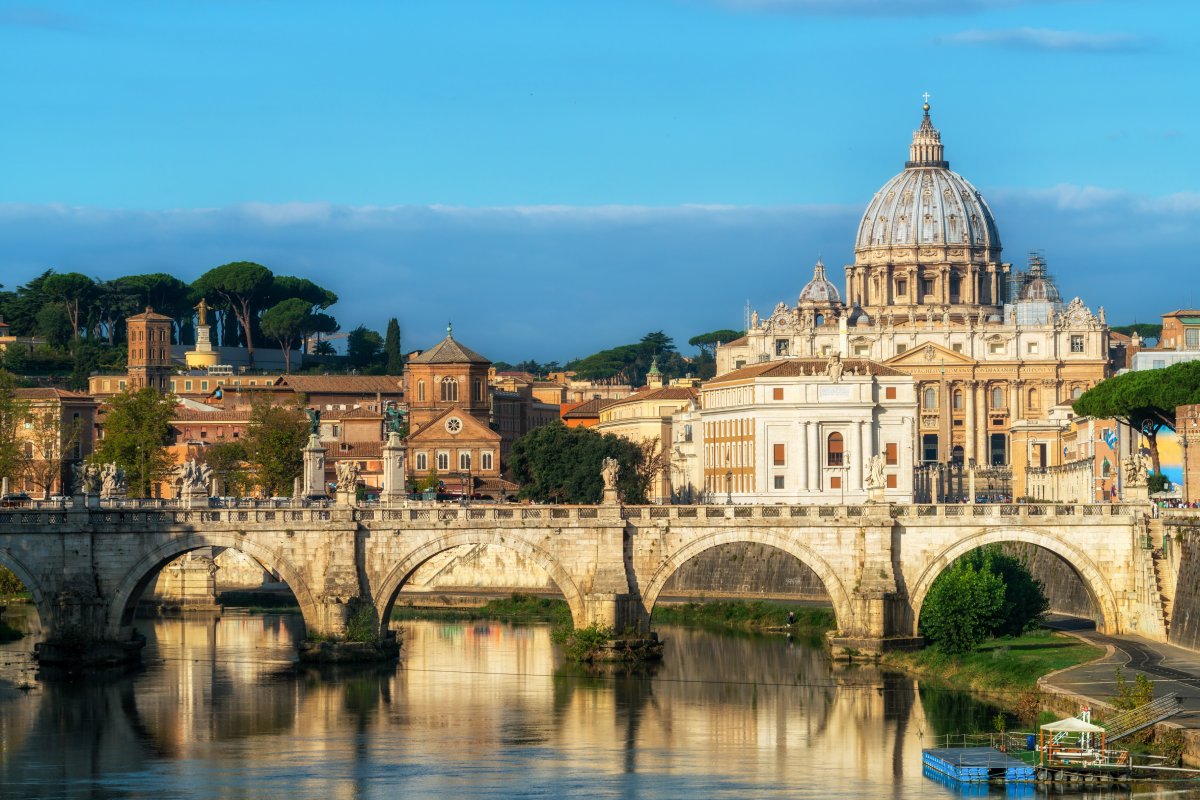
Seeing the smoke rise is a moment of high drama. Crowds gather in the square, eyes fixed on the chimney. Many visitors use this time to explore the nearby sections of the Basilica or climb to the top of the cupola. From The Dome, one has a bird's-eye view of the Vatican rooftops, offering a unique perspective on the chimney that captures the world's attention.
The Room of Tears and the Announcement
Once a cardinal receives the necessary two-thirds majority, the Dean of the College of Cardinals asks him two questions: "Do you accept your canonical election as Supreme Pontiff?" and "By what name do you wish to be called?"
Upon acceptance, the new Pope is led to a small antechamber known as the "Room of Tears" (Room of Weeping). It is so named because of the overwhelming emotion the new Pontiff often feels as the magnitude of his new responsibility sinks in. Here, he changes into the papal white cassock. Three sizes are prepared in advance—small, medium, and large—to ensure a fit regardless of who is elected.
Shortly after, the Senior Deacon Cardinal steps out onto the central balcony of St. Peter’s Basilica, the Loggia of the Blessings, to pronounce the famous formula:
"Annuntio vobis gaudium magnum: Habemus Papam!"
(I announce to you a great joy: We have a Pope!)
The new Pope then appears to deliver his first blessing, Urbi et Orbi (to the City and to the World). Standing in the square below, surrounded by the architecture of Bernini and the history of the ages, is an unforgettable experience for any traveler.
Exploring the History Behind the Vote
While the Conclave takes place in the Sistine Chapel, the history of the papacy is deeply rooted in St. Peter's Basilica. The lineage of popes stretches back to St. Peter himself, whose tomb lies directly beneath the high altar. Visitors interested in this lineage should not miss The Necropolis, where the ancient roots of the Vatican are preserved.
Furthermore, the final resting places of many popes can be found in The Vatican Grottoes. Walking through these quiet corridors offers a somber and reflective counterpoint to the jubilation of an election. It reminds us that the Conclave is not just about power, but about stewardship of a legacy that has endured for millennia.
For those planning to witness the Vatican's wonders, whether during a Conclave or a regular visit, securing access is vital. Utilizing Tickets & Tours in advance ensures you can navigate the crowds. Additionally, an Audio Guide App can provide the historical context needed to appreciate the art and architecture that serves as the backdrop for these historic elections.
Artistic Legacy and the Papacy
The popes have historically been the greatest patrons of the arts, and this is evident in every corner of the Basilica. From the breathtaking detail of Michelangelo's Pietà to the intricate work produced by The Mosaic Studio, the election of a new Pope ensures the continuation of this cultural preservation. Each pontiff leaves his mark, adding to the layers of history that make the Vatican unique.
The Aftermath: The Pope's Inauguration and Beyond
Following the announcement and the Urbi et Orbi blessing, the newly elected Pope is formally inaugurated in a separate ceremony, often within a few days. This event marks the official beginning of his papacy. The inauguration, rich in symbolism, typically includes the presentation of the pallium, a woolen vestment symbolizing the Pope's authority as the Good Shepherd.
The world then watches as the new Pope begins to shape the direction of the Catholic Church, addressing contemporary issues, engaging in ecumenical dialogue, and continuing the spiritual mission. His influence extends far beyond the Vatican, impacting global affairs and the lives of millions.
Conclusion
The Papal Conclave is more than a voting procedure; it is a bridge between the ancient world and the modern era. It is a ritual that emphasizes continuity, spirituality, and mystery. For the traveler, understanding the Conclave enriches the experience of visiting the Vatican. It transforms the buildings from mere museums into living stages of history. If you have more questions about visiting the Vatican or the logistics of the area, be sure to check the Frequently Asked Questions to prepare for your journey into the heart of the Catholic world.