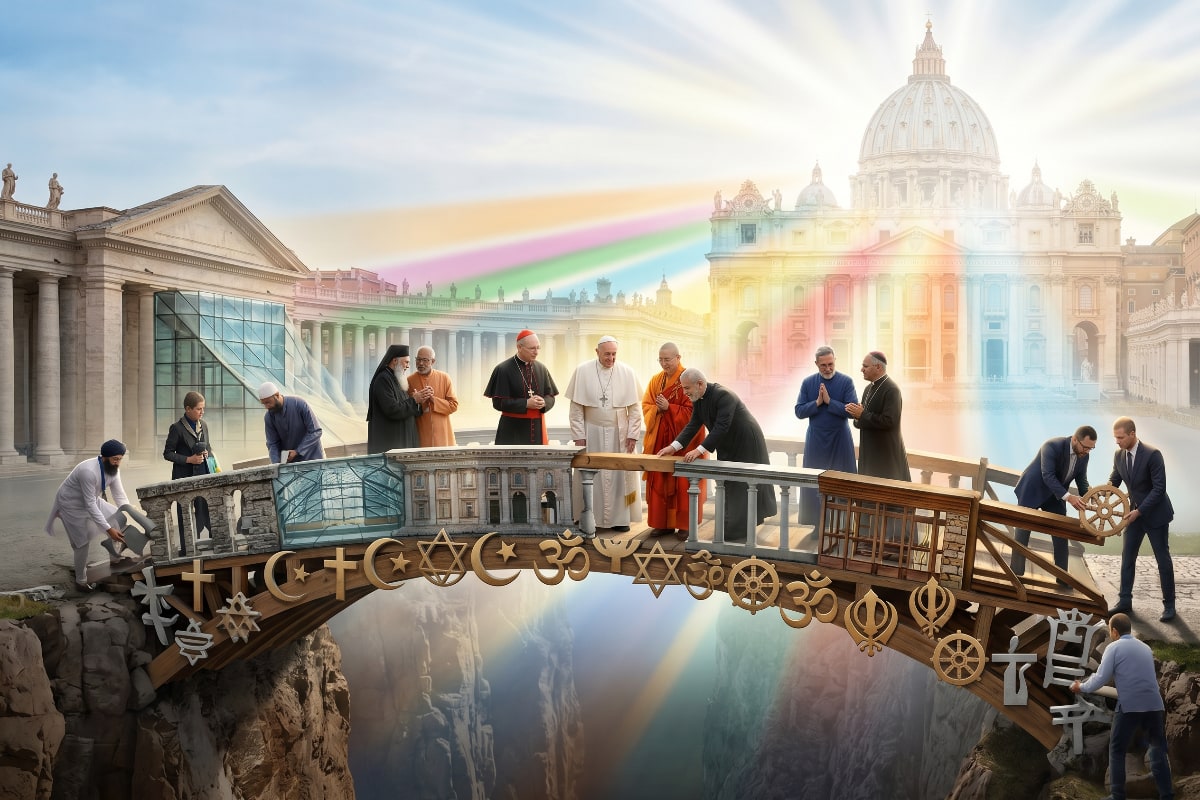
When standing in the vast embrace of St. Peter's Square, one cannot help but feel that this location is more than just the administrative center of the Catholic Church; it is a global meeting point for humanity. While the Vatican is undeniably the heart of Catholicism, its pulse beats in rhythm with a much larger, interconnected world. In recent decades, and particularly as we navigate the complexities of 2026, the Holy See has intensified its commitment to interfaith dialogue, positioning itself as a pivotal bridge-builder between East and West, and among the Abrahamic faiths and beyond. This mission is not merely diplomatic but deeply spiritual, rooted in the belief that fostering understanding among different religions is essential for global peace.
The journey toward this open-armed approach has been transformative. It moves beyond theological debates and focuses on shared human values, environmental stewardship, and the pursuit of peace in conflict zones. For visitors planning to Plan Your Visit to this micro-state, understanding this context adds a profound layer of meaning to the art and architecture they encounter. The Vatican is not just preserving history; it is actively shaping a future where religious differences are sources of enrichment rather than division.
The Historical Shift: From Isolation to Conversation
The modern era of interfaith relations for the Catholic Church arguably began with the Second Vatican Council in the 1960s. The declaration Nostra Aetate was a watershed moment, fundamentally changing how the Church viewed non-Christian religions. It rejected nothing that is "true and holy" in other faiths and called for mutual understanding. This historical pivot laid the groundwork for the initiatives we see today, transforming the Vatican into a hub for international religious diplomacy.
Since then, successive Popes have built upon this foundation. Pope John Paul II’s historic prayer gatherings in Assisi and Pope Benedict XVI’s intellectual engagements set the stage for the current era. Today, the Dicastery for Interreligious Dialogue works tirelessly to promote mutual respect and collaboration. Their work involves regular meetings with leaders of Islam, Judaism, Buddhism, Hinduism, and other traditions to discuss common challenges facing humanity, from poverty to war.
Key Initiatives and Global Peace Efforts
In the contemporary landscape, the Vatican's role has evolved from passive observer to active participant in peace processes. Pope Francis has been a central figure in this acceleration, emphasizing a "culture of encounter." His travels to regions like the United Arab Emirates and Iraq were not just pastoral visits to Catholics but historic handshakes with the Islamic world. The signing of the "Document on Human Fraternity for World Peace and Living Together" remains a cornerstone of this effort, outlining a roadmap for religious leaders to work together against extremism.
These high-level diplomatic efforts are often mirrored by the cultural and spiritual openness found within the Vatican's walls. For instance, when you explore the sacred spaces, you are walking through corridors that have welcomed religious leaders from every corner of the globe. To fully appreciate the nuance of these historical spaces, many visitors utilize the Audio Guide App, which provides context that goes beyond simple art history, touching on the spiritual significance that resonates across different belief systems.
Milestones in Vatican Interfaith Relations
To understand the trajectory of these efforts, it is helpful to look at specific milestones that have defined the Church's approach to dialogue:
| Era/Event | Key Contribution to Dialogue |
| Second Vatican Council (1965) | Publication of Nostra Aetate, officially opening the Church to dialogue with non-Christian religions. |
| Assisi Meetings (1986) | Pope John Paul II invited leaders of diverse world religions to pray for peace, a visual symbol of unity. |
| Abu Dhabi Declaration (2019) | Pope Francis and the Grand Imam of Al-Azhar signed a historic document on human fraternity. |
| Encyclical Fratelli Tutti (2020) | A dedicated text focusing on social friendship and solidarity across all boundaries, religious or secular. |
Art as a Universal Language
One of the most powerful tools the Vatican possesses in its dialogue with the world is beauty. Art transcends language barriers and theological differences. When a visitor from a non-Christian background stands before Michelangelo's Pietà, the emotion conveyed—a mother's sorrow and love—is universally understood. It speaks to the shared human experience of loss and compassion, creating an emotional bridge that theological texts often cannot.
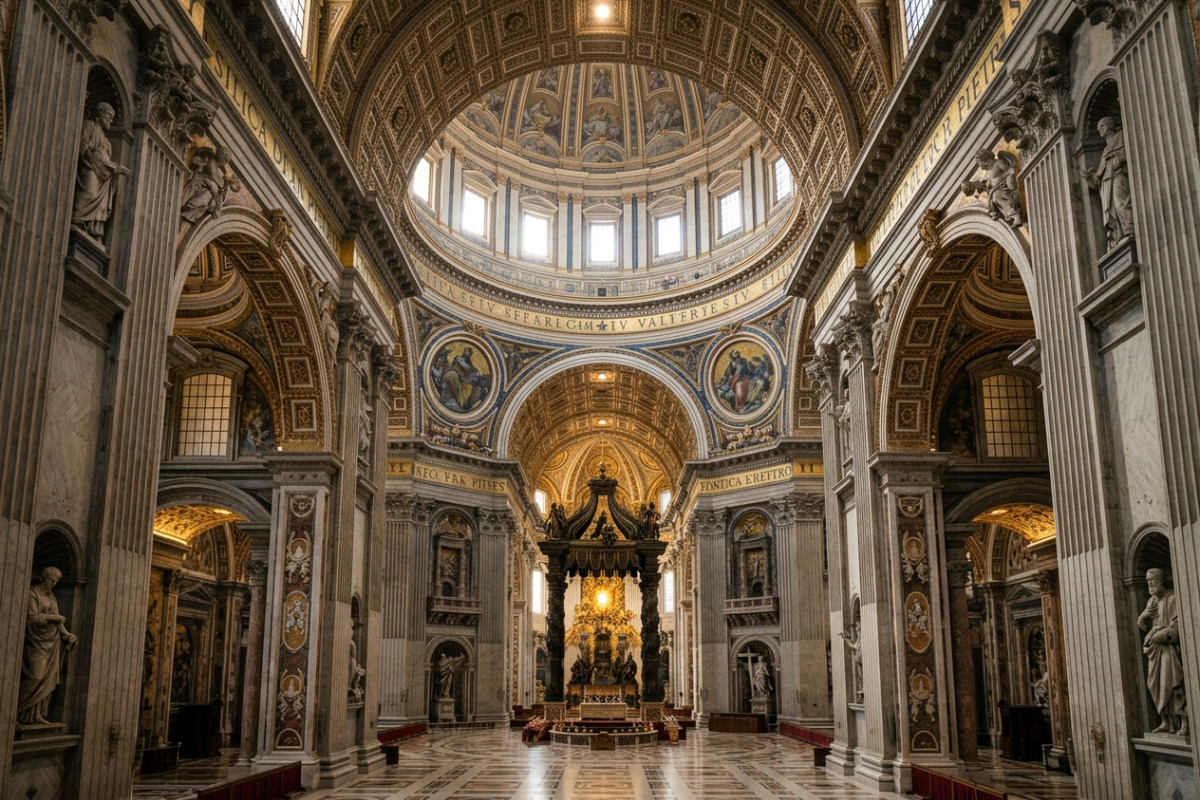
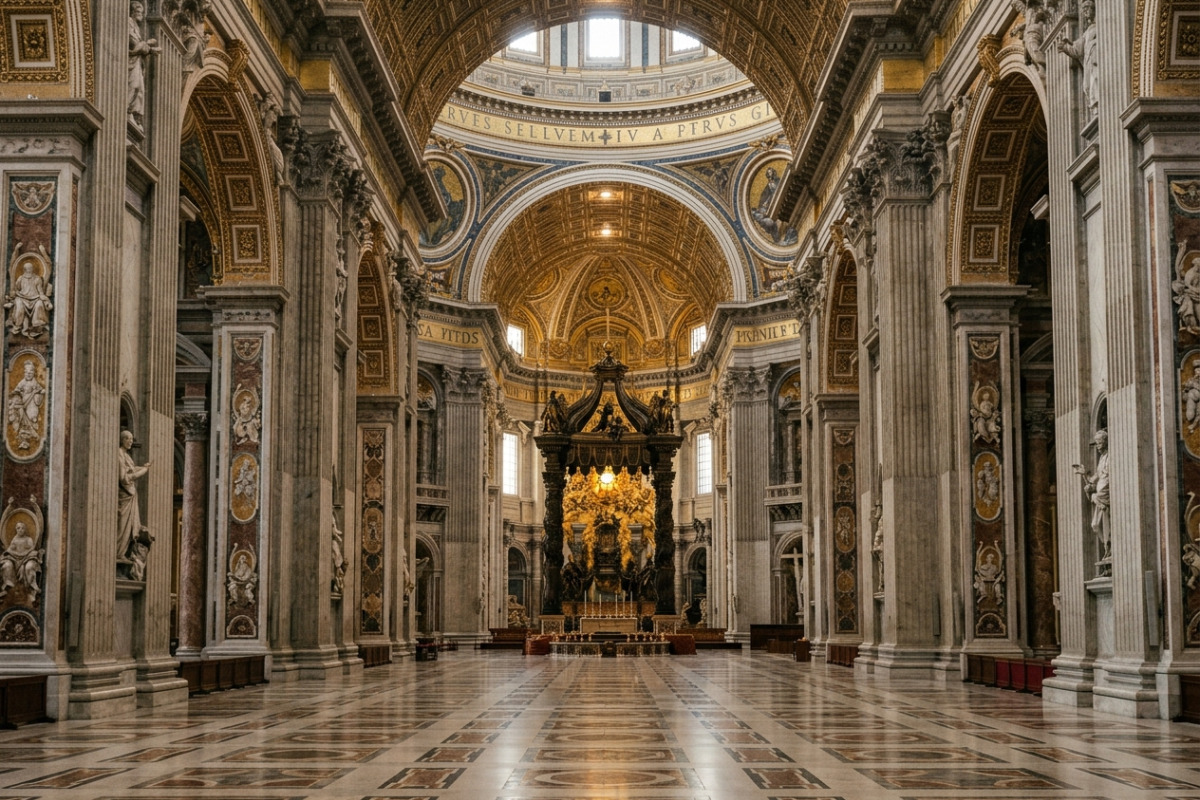
Similarly, the architecture of the Basilica itself is designed to embrace. The Dome, designed by Michelangelo, serves as a beacon on the Roman skyline, not just for Catholics but as a landmark of human achievement and aspiration. The Vatican Museums and the Basilica effectively function as "courts of the Gentiles," spaces where people of all faiths (or no faith) can gather, admire human creativity, and engage in quiet reflection. This soft power is a crucial component of the Vatican's strategy to foster a welcoming atmosphere.
The Shared Roots of Faith
Interfaith dialogue is particularly poignant when discussing the Abrahamic faiths—Judaism, Christianity, and Islam—which share common roots. The Vatican actively highlights these connections. A visit to The Necropolis takes one deep beneath the Basilica to the ancient Roman streets and the tomb of St. Peter. Here, the layers of history reveal a time when the early Christians lived side-by-side with pagans and Jews in ancient Rome. Understanding this history is vital for realizing that coexistence has always been part of the story.
Furthermore, the reverence for the divine is palpable at The Altar of the Confessio. While distinctively Catholic, the devotion witnessed here often resonates with pilgrims of other traditions who value the sanctity of holy sites. The Vatican has become increasingly adept at explaining these spaces in ways that are respectful and educational to non-Catholic visitors, ensuring that Tickets & Tours offer more than just sightseeing, but an immersion into a spiritual heritage that influenced the world.
Common Ground: Humanitarianism and Environment
In 2026, the dialogue has expanded beyond theology to urgent practical cooperation. The Vatican frequently partners with Muslim, Jewish, and Buddhist organizations to address global crises. This practical dialogue focuses on:
- Climate Change: Inspired by the encyclical Laudato Si', the Vatican pushes for interfaith environmental justice, arguing that caring for the Earth is a shared moral imperative.
- Refugee Crisis: The Church advocates for the dignity of migrants, often working alongside Islamic relief organizations to provide aid in conflict zones.
- Peace Mediation: The Holy See often acts as a neutral mediator in political conflicts, leveraging its relationships with various religious groups to bring warring factions to the table.
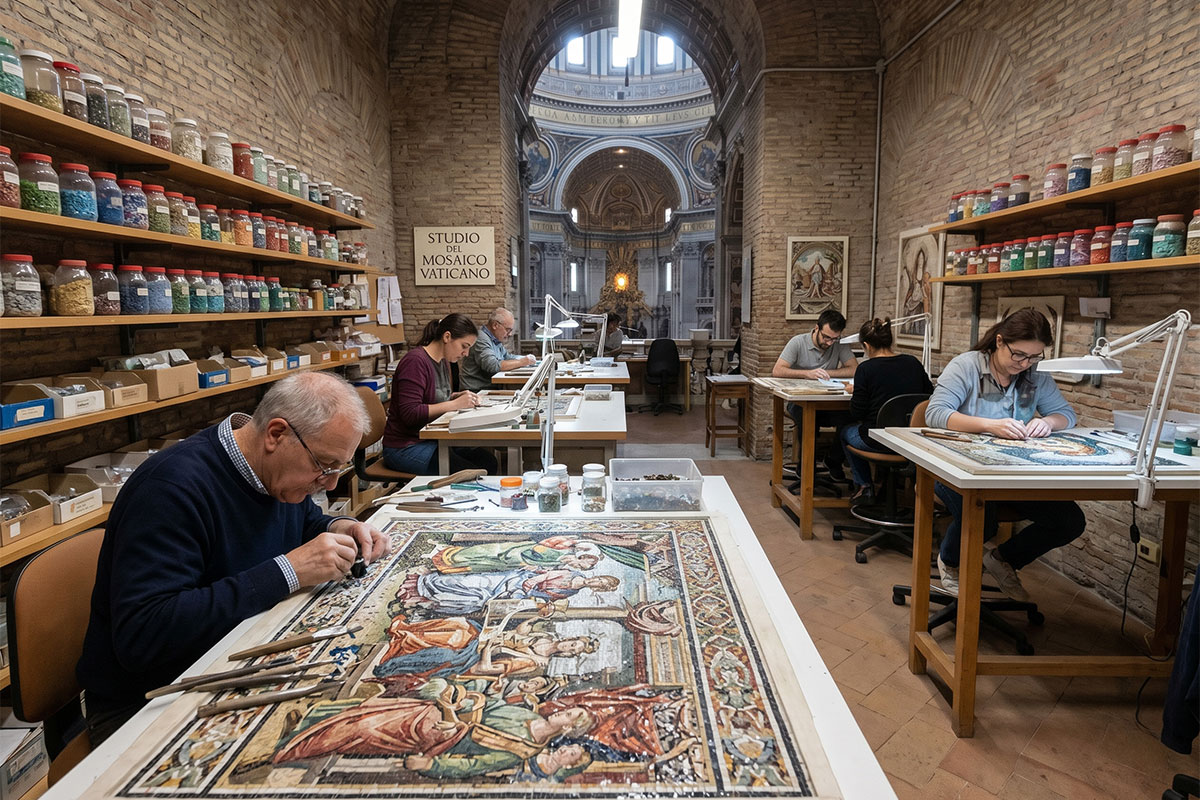
Even the craftsmanship seen in The Mosaic Studio represents a dedication to preservation and patience—values championed by almost every major world religion. By focusing on these shared ethics, the Vatican strengthens bonds that might otherwise be strained by doctrinal differences.
Experiencing the Dialogue
For the traveler, the Vatican's role in interfaith dialogue transforms a visit from a passive tour into an active engagement with history. Whether you are descending into The Vatican Grottoes to see the tombs of Popes who championed these causes, or marveling at the collection of gifts from world leaders in The Treasury Museum, the evidence of global connection is everywhere. The Vatican is not an island; it is a hub of continuous conversation.
As you Explore the Basilica, take a moment to look at the diverse crowd around you. You will hear dozens of languages and see people from every continent. In this diversity lies the living proof of the Vatican's success in becoming a place of welcome. If you have specific questions about how to navigate this massive site or what is appropriate during your visit, the Frequently Asked Questions page is an excellent resource to ensure your pilgrimage—secular or spiritual—is smooth.
Ultimately, the Vatican's role in interfaith dialogue is about keeping the door open. It is a commitment to the idea that despite our varied paths, we are walking toward a common horizon of peace and understanding.