When you stand before the grandeur of St. Peter's Basilica, you are not merely looking at a feat of engineering or a collection of Renaissance art; you are witnessing the cumulative ambition, devotion, and ego of centuries of pontiffs. The basilica as it stands today in January 2026 is the result of a complex historical relay race, where the baton was passed from one pope to another, each altering the course of its construction to leave an indelible mark on Christendom. To truly understand this architectural wonder, one must look beyond the stone and mortar to the men who commissioned it, often against insurmountable odds and staggering costs.
The narrative of the basilica is not linear. It involves radical demolitions, clashes of artistic titans, and theological shifts that changed the world. While we often celebrate the artists like Michelangelo and Bernini, the driving force was always the Throne of St. Peter. From the early preservation of the apostle's tomb to the explosion of Baroque splendor, the evolution of this sacred space offers a unique window into the history of the Vatican itself. As you Plan Your Visit, knowing these historical layers will transform your experience from a simple tour into a journey through time.
The Visionaries of the Renaissance: Julius II and the New Basilica
The story of the current basilica truly begins with Pope Julius II, often referred to as the "Warrior Pope." In the early 16th century, the original structure built by Emperor Constantine was crumbling. While others hesitated to touch such a sacred site, Julius II made the audacious decision to demolish the old church entirely and build something that would rival the temples of antiquity. This was a controversial move that shocked the faithful, yet it set the stage for the Renaissance masterpiece we see today.
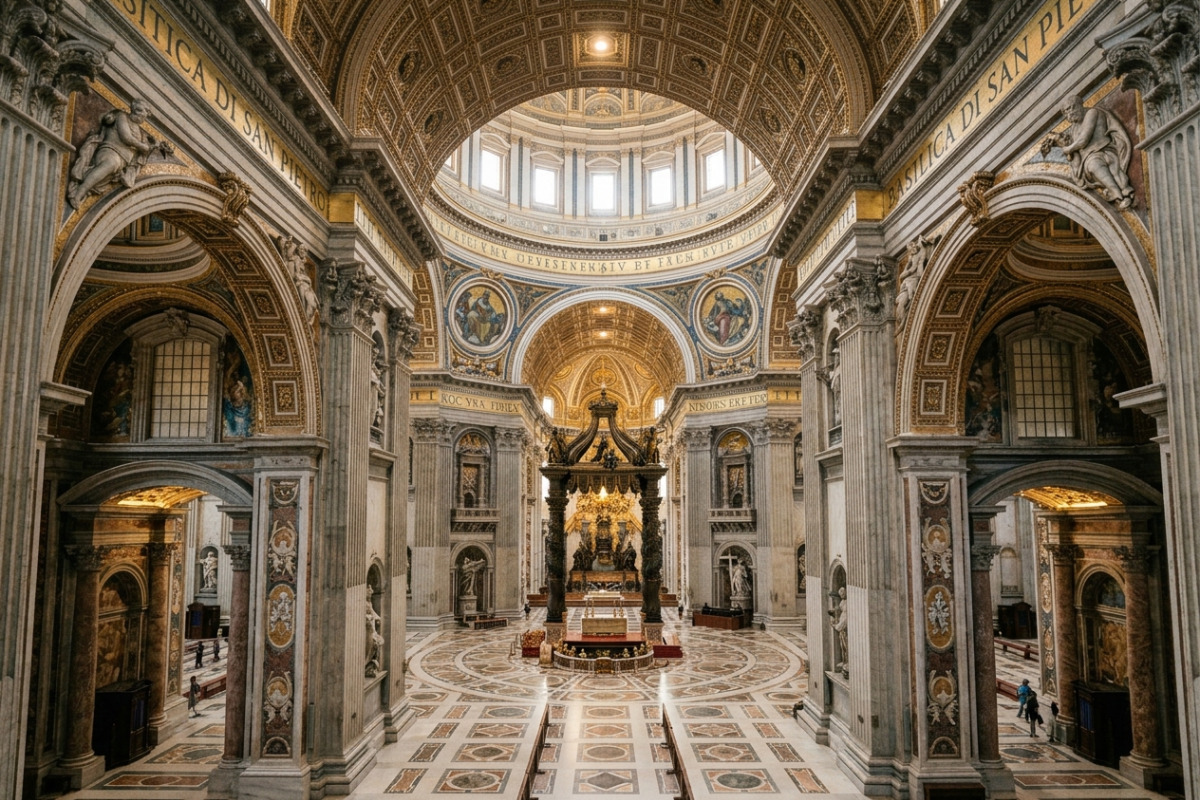
Julius commissioned Donato Bramante to design a structure that would reflect the power and universality of the Church. Bramante’s vision was a massive Greek cross topped with a central dome. This era was defined by grand ambition, but it was also a race against time. Although Julius II laid the foundation stone in 1506, he would not live to see much of it completed. However, his patronage brought the greatest artists of the age to Rome. For visitors today, Explore the Basilica to see how the massive scale of the nave still reflects that initial, thunderous ambition of Julius II.
Paul III and the Michelangelo Era
After the death of Julius II and Bramante, the project fell into a period of confusion and architectural identity crises. It was Pope Paul III who restored order by appointing an aging Michelangelo Buonarroti as the chief architect in 1546. Paul III granted Michelangelo immense freedom, allowing him to simplify the complex designs of his predecessors and focus on structural integrity and majesty. This partnership saved the basilica from becoming a disjointed collection of styles.
Michelangelo’s most significant contribution was, without a doubt, the design of the massive cupola. While he passed away before its completion, his vision was carried out by subsequent architects under the watchful eyes of later popes. Today, climbing to the top is a highlight for many pilgrims. When you visit The Dome, you are standing atop the legacy of Paul III’s trust in Michelangelo’s genius. Additionally, Paul III ensured that earlier masterpieces, such as Michelangelo's Pietà, which the artist had sculpted as a young man, would eventually find a prominent home within the new structure.
Urban VIII and the Baroque Transformation
If the Renaissance popes built the structure, the Baroque popes dressed it. Pope Urban VIII, a member of the powerful Barberini family, was instrumental in shaping the interior aesthetic of St. Peter's. He formed a lifelong partnership with Gian Lorenzo Bernini, the artistic genius who would define the Baroque style. Urban VIII wanted the basilica to be a theater of faith, a place that overwhelmed the senses with gold, bronze, and light.
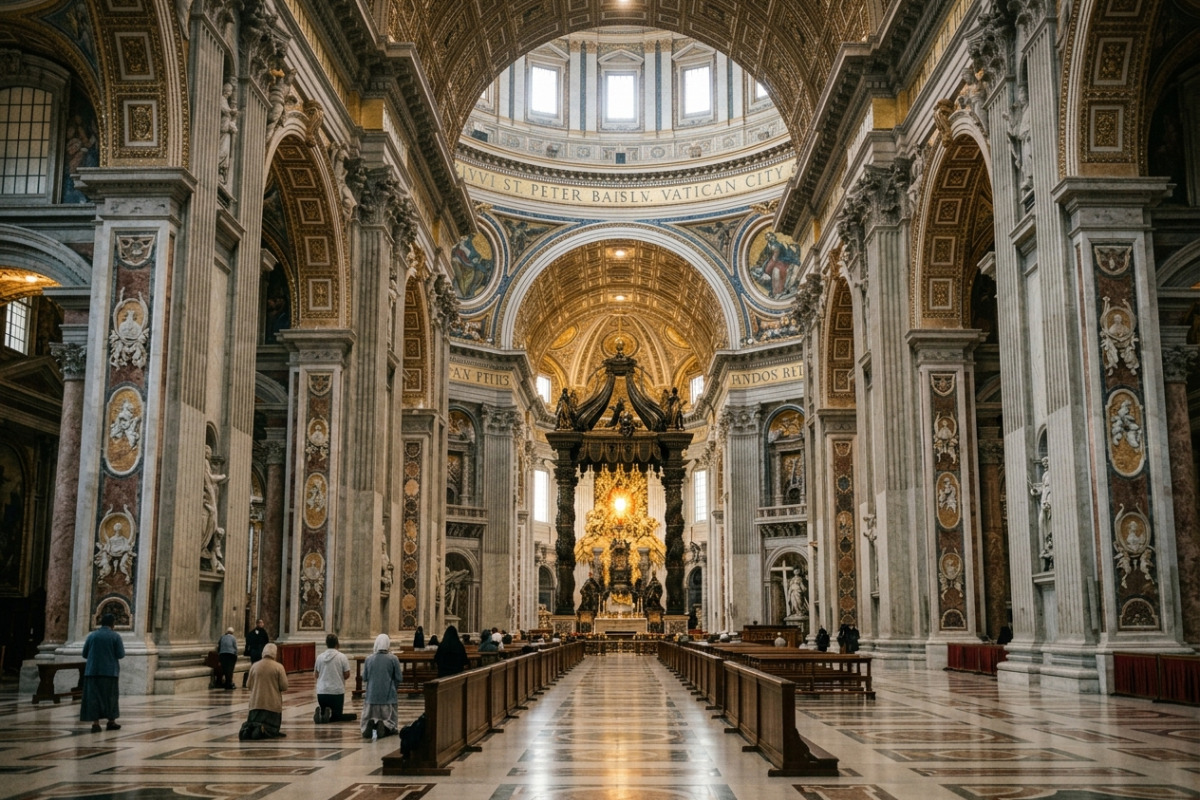
Under Urban VIII’s patronage, Bernini created the towering bronze Baldachin that stands over the papal altar. This was a statement of triumph, crafted from bronze stripped from the Pantheon—a controversial act that gave rise to the saying, "What the barbarians did not do, the Barberini did." This era focused on the central sanctity of the church. The focus was drawn to The Altar of the Confessio, marking the tomb of St. Peter below. The interplay of light and dark, the dramatic sculptures, and the sheer volume of the bronze work were all driven by Urban’s desire to assert the Church's authority during the Counter-Reformation.
Key Papal Contributions at a Glance
To help visualize the timeline of construction and decoration, here is a breakdown of the key pontiffs and their specific impacts on the basilica:
| Pope | Period | Major Contribution |
| Julius II | 1503–1513 | Ordered the demolition of the Old Basilica; commissioned Bramante for the new design. |
| Paul III | 1534–1549 | Appointed Michelangelo as chief architect; secured the future of the Dome. |
| Sixtus V | 1585–1590 | Pushed for the rapid completion of the Dome's vaulting after Michelangelo's death. |
| Paul V | 1605–1621 | Extended the nave to form a Latin cross and completed the iconic façade. |
| Urban VIII | 1623–1644 | Commissioned the Baldachin and initiated the Baroque interior decoration. |
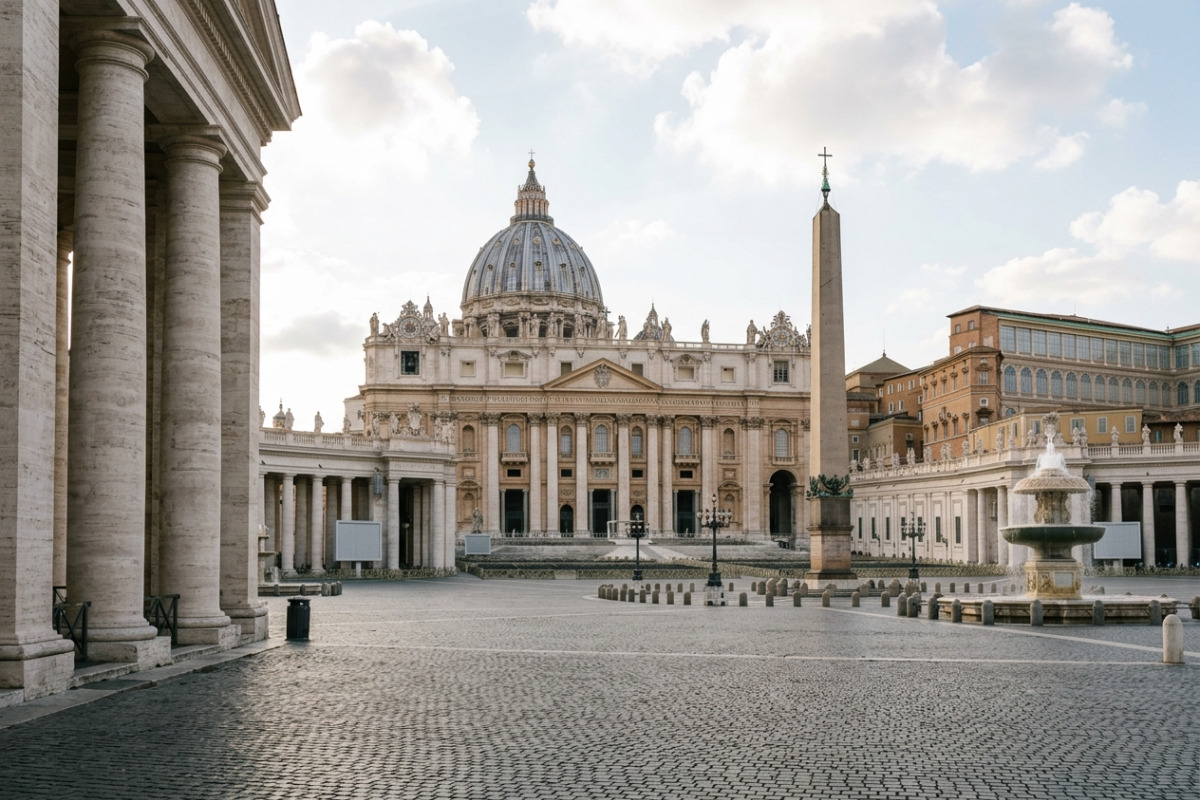
| Alexander VII | 1655–1667 | Commissioned the massive St. Peter's Square and the colonnade to "embrace" pilgrims. |
The Modern Era: Preservation and Excavation
In the 20th century, the role of the popes shifted from construction to preservation and rediscovery. Pope Pius XI and subsequently Pope Pius XII were pivotal in exploring what lay beneath the marble floors. Pius XII ordered secret excavations under the main altar during World War II, which led to the identification of the ancient necropolis and the tomb of St. Peter. This connected the modern architectural marvel back to its humble, first-century roots.
Today, visitors can journey into these depths. A visit to The Necropolis allows you to see the Roman streets that predate the basilica, a direct result of modern papal initiatives to bridge faith with archaeology. Furthermore, the final resting places of many popes are located in The Vatican Grottoes, a quiet space between the floor of the current basilica and the level of the old Constantinian church, serving as a physical timeline of papal history.
Artistic Legacy and Mosaic Preservation
Another crucial aspect of papal influence is the decoration of the basilica's interior. As the structure neared completion, it became clear that oil paintings would deteriorate in the humid environment. Consequently, popes in the 17th and 18th centuries established a dedicated workshop to convert the great altarpieces into intricate mosaics. This ensured that the art would last for eternity.
This tradition continues today. The Mosaic Studio is still active, maintaining the thousands of square meters of mosaic work that cover the domes and altars. It is a living testament to the foresight of past pontiffs who prioritized longevity over temporary beauty. For those interested in the liturgical objects and precious gifts collected by popes over the centuries, The Treasury Museum offers a dazzling display of tiaras, miters, and chalices that were used in the very ceremonies that shaped the basilica’s history.
Experience the History Yourself
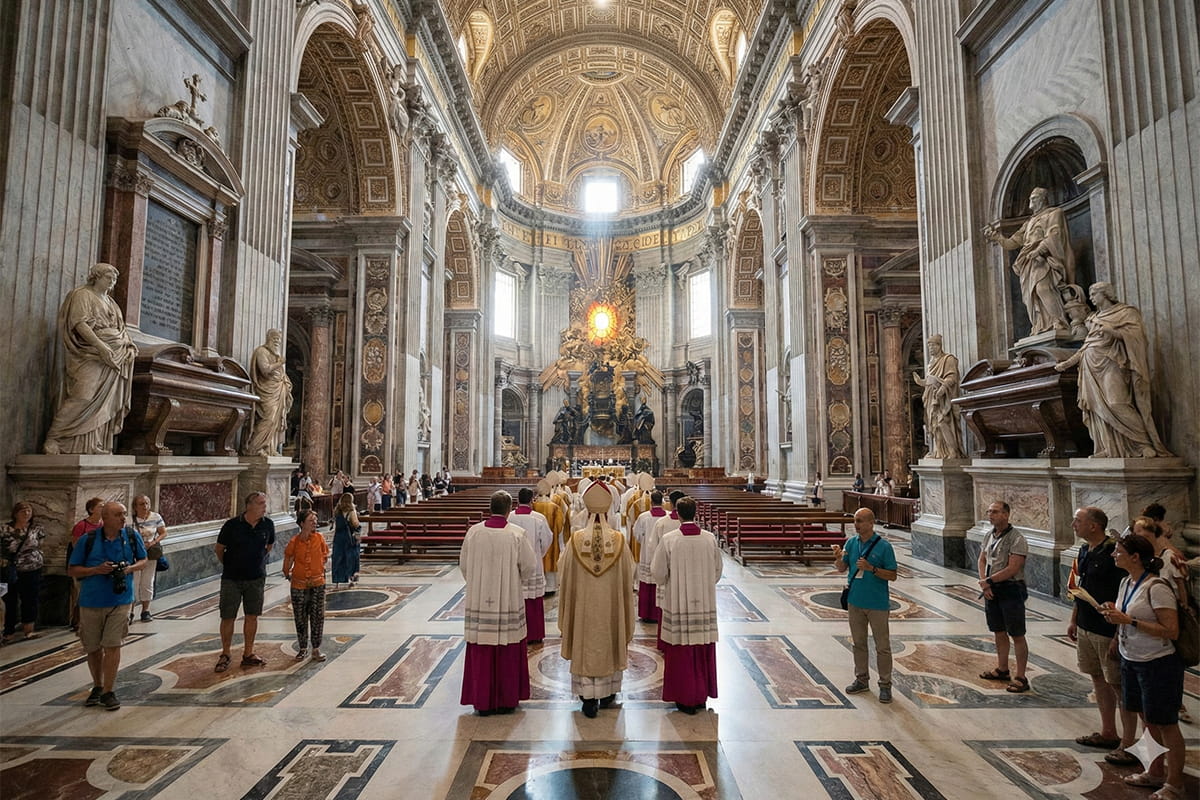
Understanding the papal history behind St. Peter's Basilica adds a profound layer of meaning to your visit. It is not just a church; it is a biography of the papacy written in stone. To fully appreciate the nuances of this history, from the inscriptions on the friezes to the symbols on the floor, we highly recommend using the Audio Guide App. It provides detailed commentary that highlights the contributions of specific popes as you walk through the nave.
Because the basilica is an active place of worship and a major global attraction, lines can be long. It is wise to look into Tickets & Tours in advance to secure guided entry, which often provides deeper historical context than a solo visit. If you have specific concerns about dress codes or logistics, be sure to check the Frequently Asked Questions before you arrive.
From the bold destruction of the old to the meticulous decoration of the new, the popes have been the architects of history here. Their decisions echo in every footstep you take across the marble floors, inviting you to be part of a story that has been unfolding for two millennia.