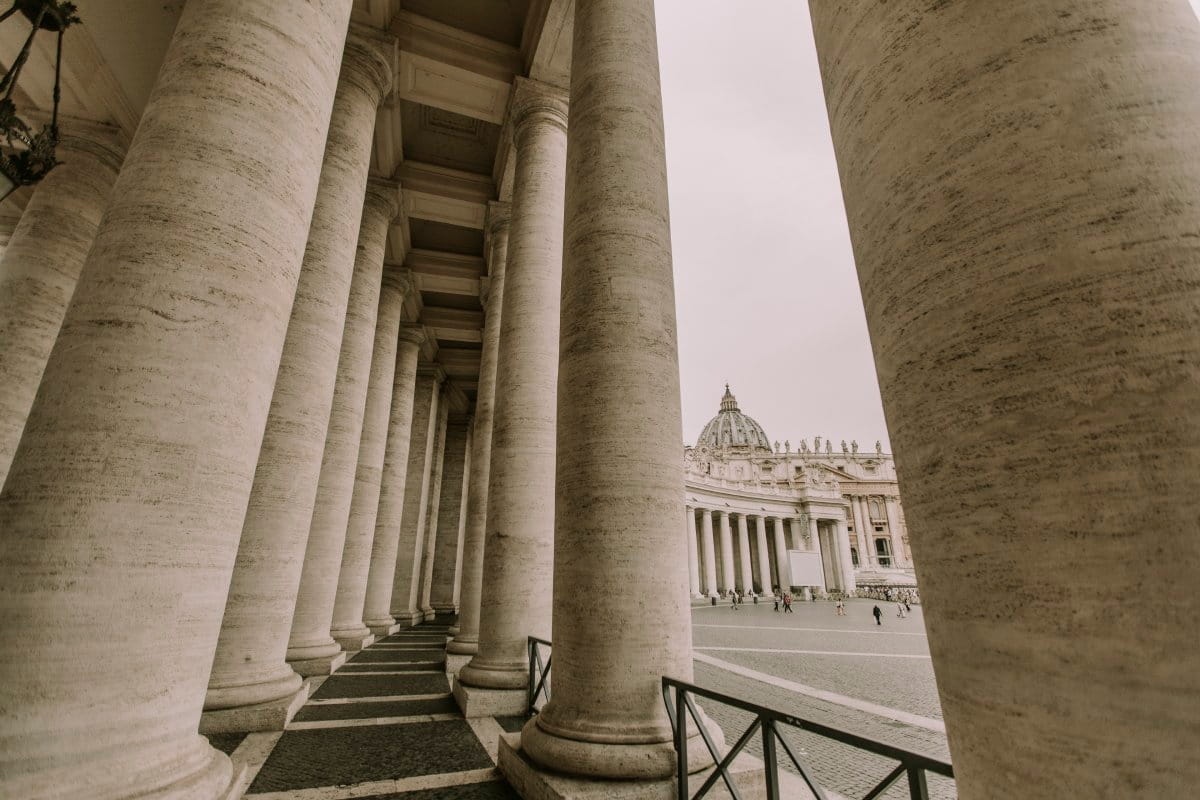
When travelers step into the vast embrace of St. Peter's Square, their eyes are almost immediately drawn to the iconic dome dominating the skyline or the long lines snakeing toward the Vatican Museums. It is January 2026, and the eternal allure of Rome continues to captivate pilgrims and history enthusiasts alike, yet so many visitors barely scratch the surface of what this enclave truly holds. While the Sistine Chapel and the main nave of the Basilica are undeniably spectacular, the true soul of the Vatican often resides in its quieter, less trodden corners. To truly understand the depth of history here, one must be willing to look past the crowds and seek out the hidden treasures that whisper stories of faith, art, and centuries of tradition.
These hidden gems are not always locked away behind heavy doors; sometimes, they are hiding in plain sight, disguised by the sheer scale of their surroundings. From the intricate details of mosaic work that mimics oil paintings to the silent, hallowed halls beneath the earth where saints are laid to rest, the Vatican offers a layered experience for the curious explorer. Uncovering these secrets requires a shift in perspective—a willingness to pause, look closer, and venture into the areas that standard tour groups might bypass in their rush to see the highlights. Let us embark on a journey through these lesser-known masterpieces and historical archives.
Beyond the Surface of St. Peter’s Basilica
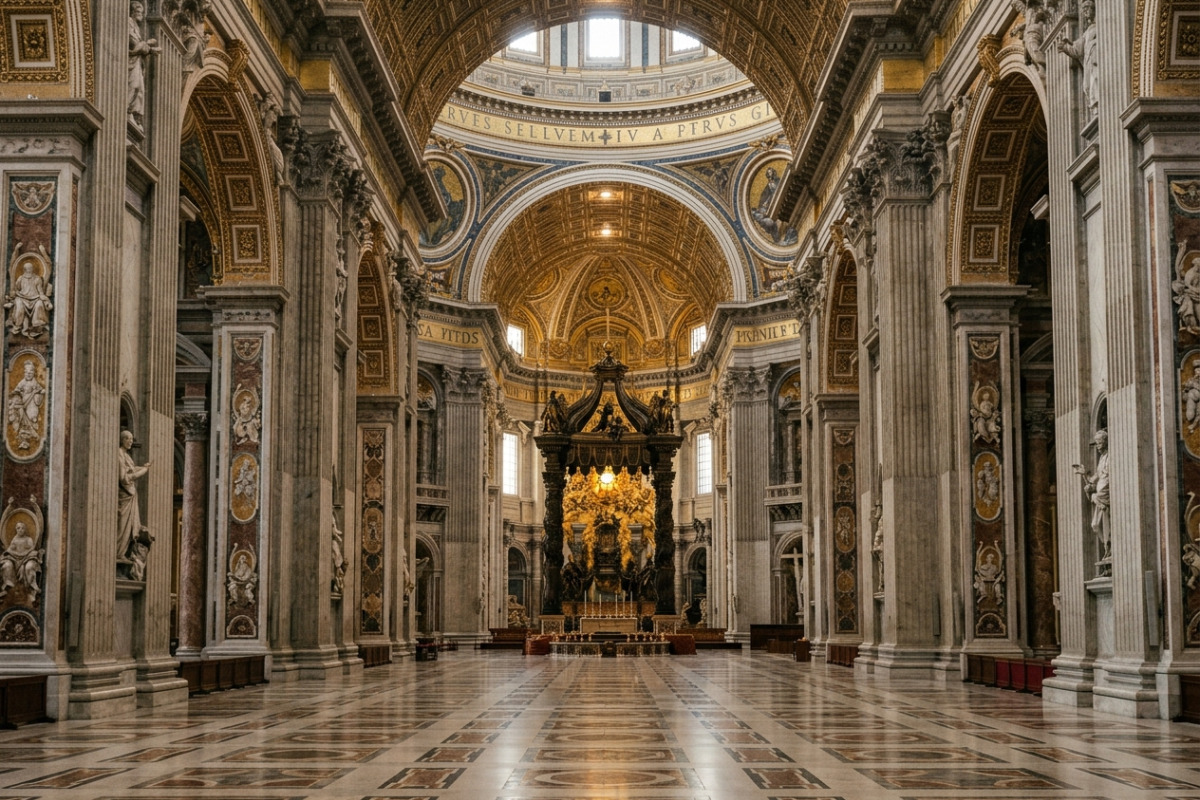
Entering the Basilica is an overwhelming experience of gold, marble, and light, but the sheer grandeur can sometimes eclipse the intimate artistic miracles located within the side chapels and aisles. Most visitors immediately flock to Michelangelo's Pietà, a masterpiece of emotive marble that captures the sorrow of the Virgin Mary with unparalleled grace. However, after paying respects to this famous work, it is rewarding to explore the myriad of other artistic nuances that fill the space. If you take the time to Explore the Basilica thoroughly, you will find that every column and altar tells a specific theological story, often overlooked by the casual passerby.
Discovering the Altar of the Confessio
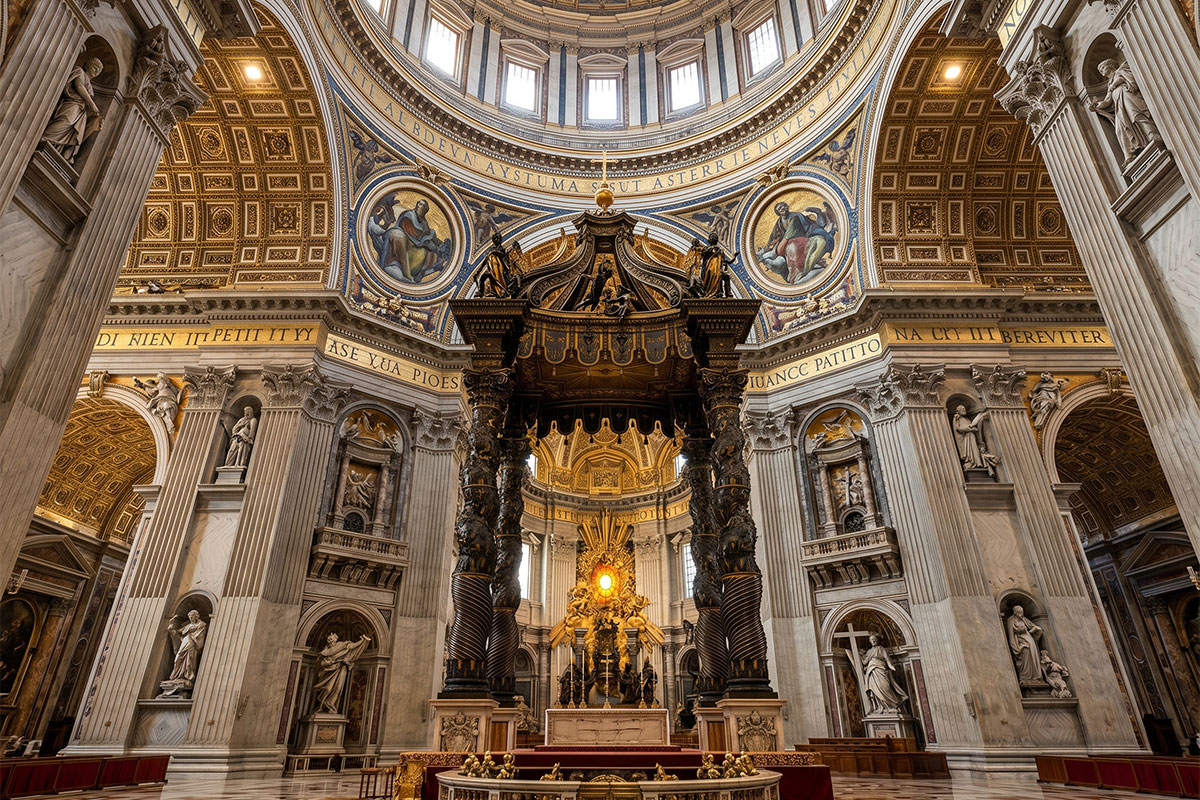
One such focal point that demands a deeper appreciation is the area surrounding the high altar. Beneath the soaring bronze canopy of Bernini stands The Altar of the Confessio, a sacred space that marks the tomb of St. Peter himself. While you cannot walk directly into the Confessio without special permission, viewing it from the railing offers a glimpse into the spiritual heart of the church. The flickering oil lamps and the rich marble work here create an atmosphere of ancient reverence, grounding the architectural soaring above in the deep history of the early Church. It is a reminder that the Basilica is not just a museum, but a functioning reliquary built upon a literal rock of faith.
Descending into History: The Necropolis and Grottoes
For those seeking to travel back to the very origins of Christianity in Rome, the journey must go downward, beneath the polished floors of the current Basilica. There is a distinct difference between the Grottoes and the Necropolis, though visitors often confuse the two. The Vatican Grottoes are located just one level down, housing the tombs of kings, queens, and popes from various centuries. Walking through these hushed corridors offers a tangible timeline of Church leadership, where simple marble slabs lie near ornate sarcophagi, creating a solemn narrative of papal history that is accessible to most visitors.
Exploring the Depths of the Necropolis (Scavi)
However, for a truly hidden treasure, one must venture even deeper into The Necropolis, also known as the Scavi. This is an ancient Roman street of the dead, preserved remarkably well under the foundations of the church. Here, you walk on the original dirt and stone paths of the first century, passing pagan mausoleums and early Christian graves. This archaeological wonder culminates at the humble grave of St. Peter. Because preservation is paramount, access is strictly limited and requires advanced planning, but standing in the humid, silent air of the first century is an experience that connects the modern visitor directly to the ancient world in a way no textbook can.
The Treasury Museum: A Collection of Sacred Splendor
Tucked away from the main flow of traffic within the Basilica is a space that literally shines with history. The Treasury Museum (Museo del Tesoro) is often bypassed by visitors rushing to climb the dome, yet it holds some of the most historically significant objects in the Vatican's possession. This is not merely a display of wealth; it is a curation of liturgical heritage featuring objects that have survived sackings, wars, and the passage of time. The collection includes ancient chalices, intricate reliquaries, and vestments worn by popes centuries ago, each thread woven with history.
Key Artifacts Within the Treasury
Inside the Treasury, you will encounter:
- The Crux Vaticana: A reliquary cross from the 6th century, studded with gems, representing one of the oldest testimonies of devotion in the collection.
- Papal Tiaras: The evolution of the triple crown, showing the changing styles and political power of the papacy through the ages.
- Candelabras and Statuary: Massive works of silver and gold that were once used to illuminate the high altar during solemn masses.
- Historical Vestments: Robes embroidered with such precision that they serve as a testament to the artisans who dedicated their lives to glorifying the church.
Visiting this section provides context to the ceremonies that take place in the Basilica. It transforms abstract history into tangible reality, allowing you to see the actual objects held by historical figures during moments that shaped the Western world.
Artistic Mastery in the Details: Mosaics and The Dome
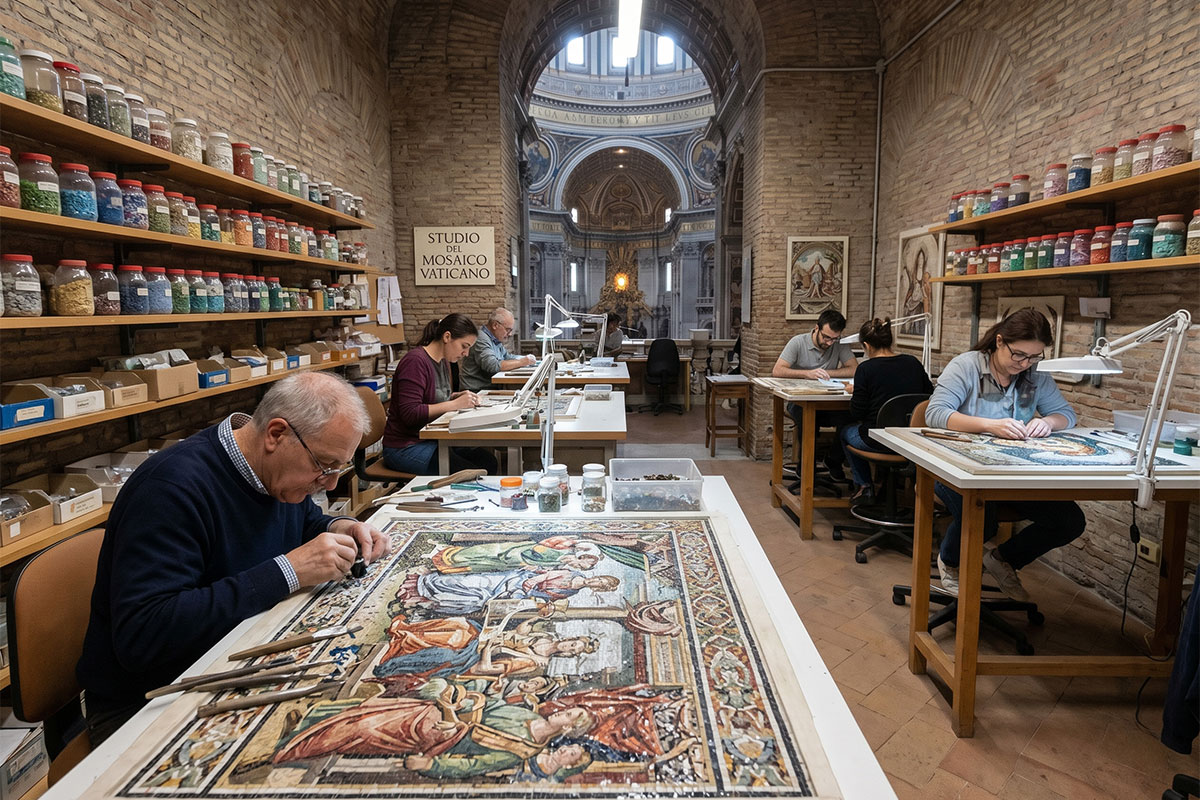
A secret that often surprises visitors is that many of the "paintings" they admire inside St. Peter's Basilica are not paintings at all. Due to the humidity and the vastness of the space, oil paintings would deteriorate quickly; therefore, the Vatican artisans perfected the art of micromosaic. Thousands of tiny pieces of glass and stone are blended to replicate brushstrokes with such fidelity that the naked eye is easily fooled. The preservation of this art form is the responsibility of The Mosaic Studio, a workshop that still operates today, maintaining the Basilica's artworks and creating new pieces for the Pope to gift to foreign dignitaries.
Ascending to the Dome for a Closer Look
To truly appreciate the scale of these mosaics, one must change their vantage point. Climbing The Dome offers a dual reward: the breathtaking panoramic view of Rome and the chance to view the interior dome mosaics up close. As you circle the interior gallery, you can see the immense size of the tesserae (mosaic pieces) that look so delicate from the floor far below. This perspective reveals the monumental effort required to decorate such a massive structure, turning a simple architectural visit into a lesson in Renaissance engineering and artistic dedication.
Quick Guide: Hidden Gems vs. Famous Landmarks
To help you prioritize your visit, here is a comparison of the well-known sites versus the hidden treasures discussed:
| Famous Landmark | Hidden Treasure Alternative/Add-on | What You Discover |
| The Main Altar (Baldachin) | The Altar of the Confessio | The spiritual root and St. Peter's tomb beneath the grandeur. |
| The Sistine Chapel | The Treasury Museum | Liturgical history, gems, and ancient reliquaries. |
| General Basilica Tour | The Necropolis (Scavi) | First-century Roman history and the original street level. |
| Oil Paintings in Museums | The Mosaic Studio Works | The technical mastery of stone replacing paint for eternity. |
Planning Your Discovery
Uncovering these hidden layers requires a bit more preparation than a standard walk-through. Since January is generally a quieter month for tourism, it is an excellent time to secure spots for limited-entry areas like the Necropolis or to enjoy the museums without shoulder-to-shoulder crowds. However, proper planning is still essential. We always recommend checking Tickets & Tours well in advance, especially if you aim to see the restricted sections or want a guided experience that focuses on these lesser-known aspects.
For the independent traveler who wants to unlock these secrets at their own pace, technology can be a brilliant companion. Using the official Audio Guide App allows you to stand before a seemingly simple statue or altar and hear the complex history behind it, effectively turning a solo walk into a curated tour. If you have specific concerns about dress codes, accessibility to the Grottoes, or photography rules in the Treasury, the Frequently Asked Questions section is an invaluable resource to consult before you pack your bags.
Ultimately, the treasures of the Vatican are not just in the gold on the ceilings or the fame of the artists. They are found in the quiet connection with history, the realization of the human effort behind the monuments, and the spiritual silence of the underground tombs. By taking the time to Plan Your Visit with an eye for the "hidden," you transform a sightseeing trip into a profound journey of discovery.