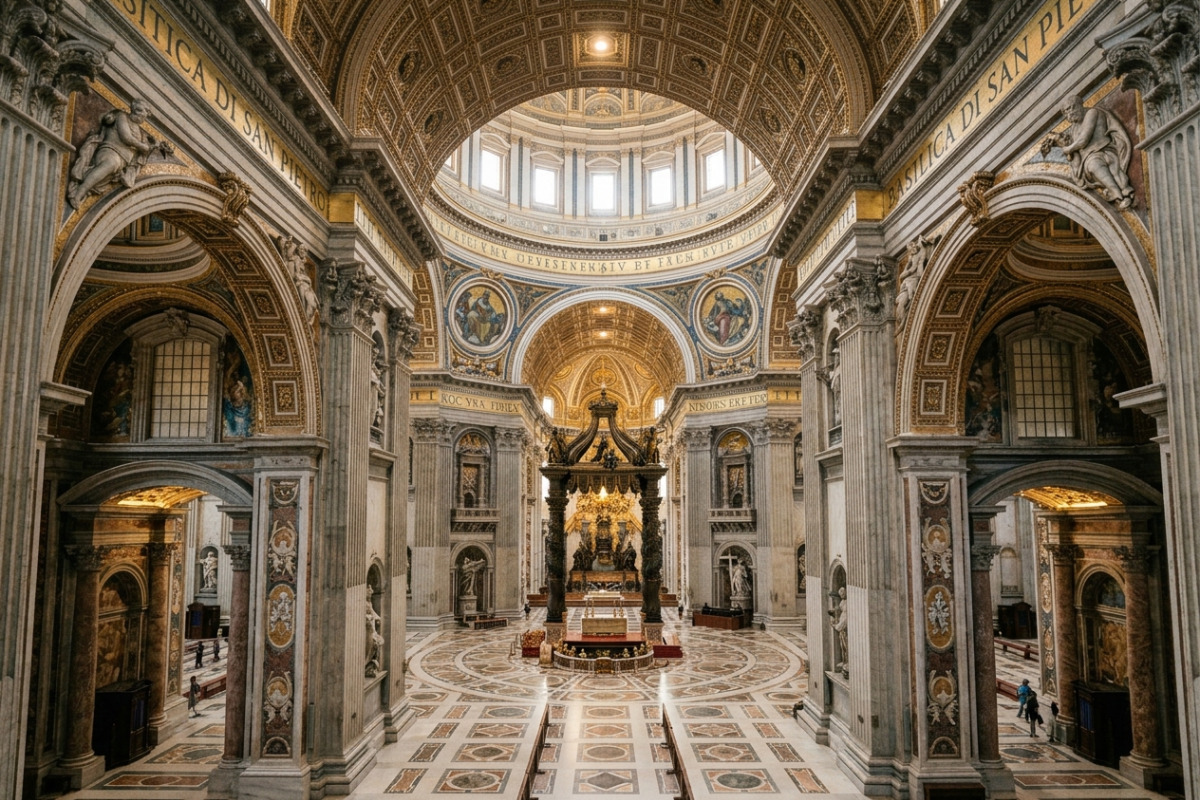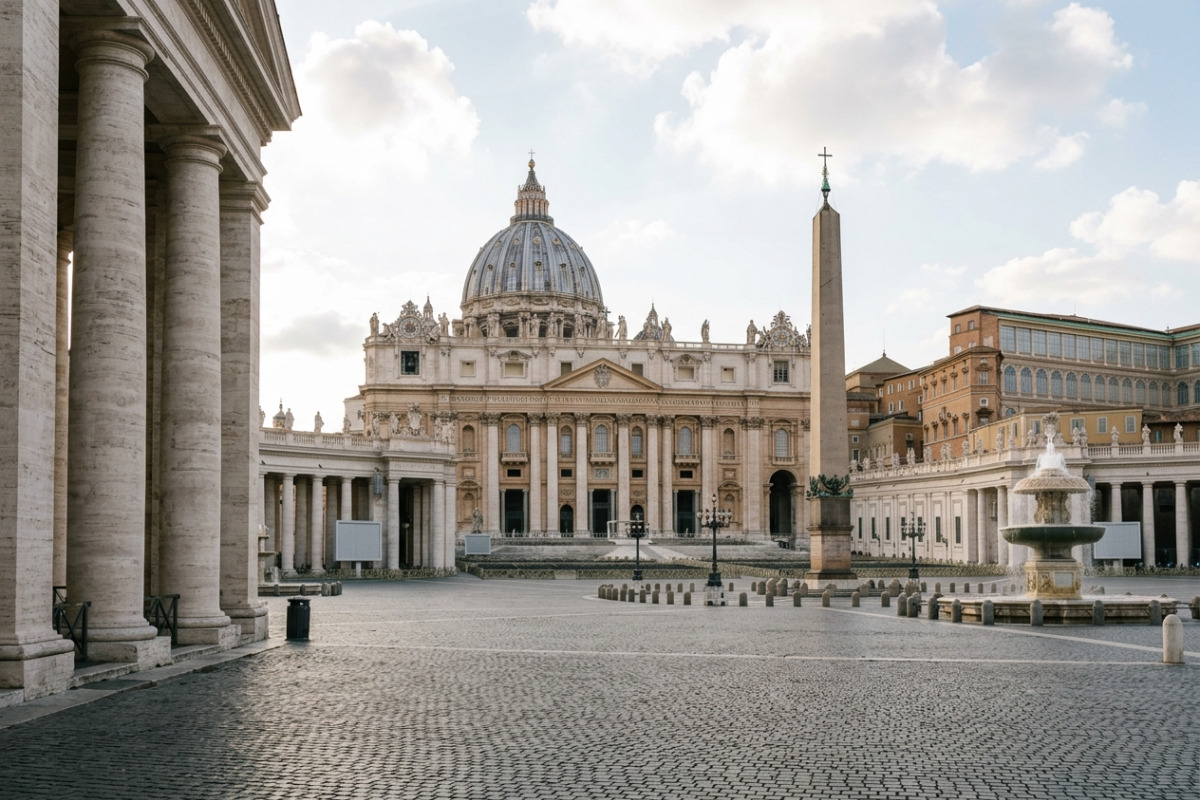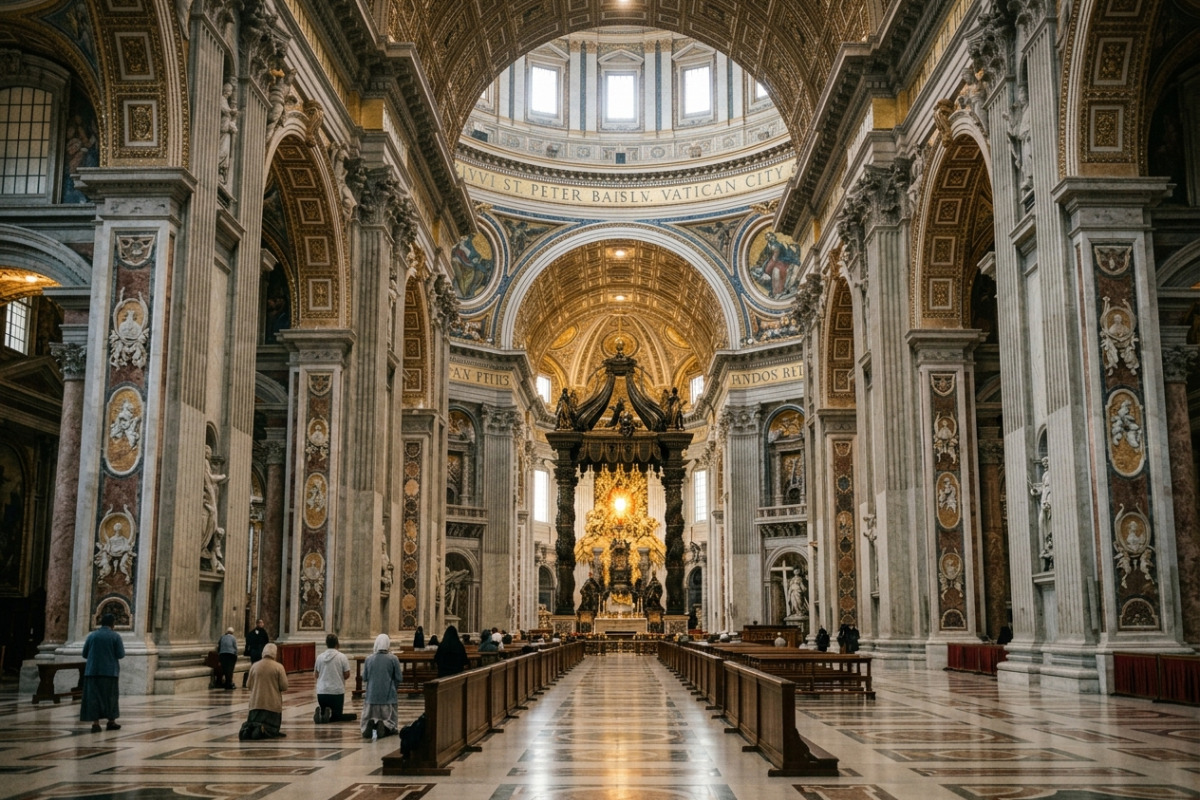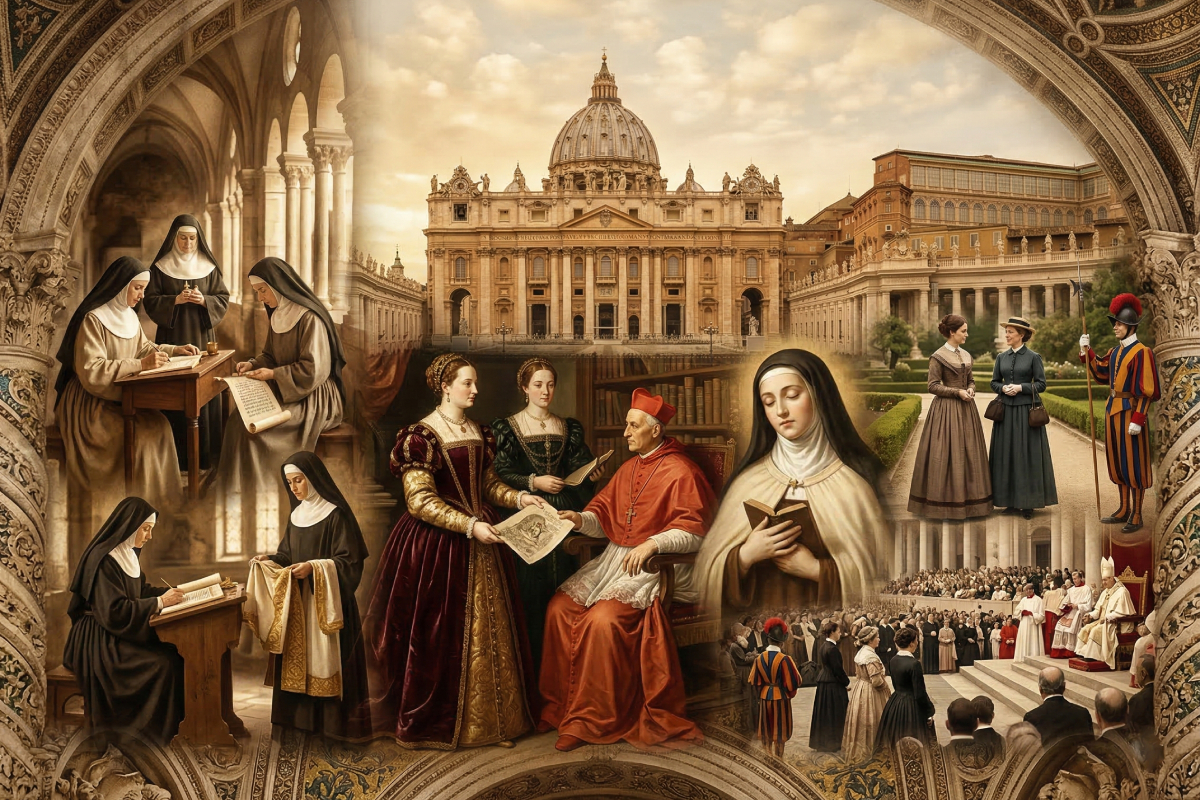
When visitors step into the grandeur of St. Peter's Square, the immediate imagery that comes to mind is often dominated by the long lineage of Popes and the male hierarchy of the Catholic Church. However, peeling back the layers of history reveals a much more complex and inclusive narrative, one where women have played pivotal roles as patrons, rulers, saints, and influential figures. As we move through the 21st century, the interest in these hidden histories has grown significantly, prompting travelers and historians alike to re-examine the Vatican through a female lens. The story of the Vatican is not solely a history of men; it is also a testament to the enduring faith, political power, and artistic inspiration of women who defied the conventions of their times.
To truly understand the depth of the Vatican's history, one must look beyond the surface and seek out the monuments and memories dedicated to these formidable women. Their presence is etched into the marble of the Basilica, buried in the sacred grottos, and immortalized in the breathtaking art that adorns the walls. By exploring these narratives, we challenge traditional perspectives and celebrate a legacy of female empowerment that has existed within the heart of the Church for centuries. Whether you are planning to book your tickets for a pilgrimage or a cultural tour, keeping an eye out for these female figures will profoundly enrich your experience.
The Iron Countess: Matilda of Canossa
One of the most striking examples of female power within St. Peter's Basilica is the tomb of Matilda of Canossa (1046–1115). Known as the "Iron Countess," Matilda was a powerful feudal ruler in Northern Italy and a staunch supporter of the Papacy during the tumultuous Investiture Controversy. At a time when women were rarely seen as military or political leaders, Matilda commanded armies and fortified castles to protect Pope Gregory VII from the Holy Roman Emperor Henry IV. Her legacy is one of unyielding strength and loyalty, qualities that earned her the rare honor of being one of the very few women buried inside the main floor of St. Peter's Basilica.
Her tomb, designed by the legendary Gian Lorenzo Bernini, is a masterpiece of Baroque art that commands attention. The statue depicts her holding the papal tiara and keys, symbolizing her defense of the Church, while the sarcophagus relief illustrates the famous scene of Emperor Henry IV kneeling in the snow at her castle in Canossa. As you explore the Basilica, finding her monument in the right aisle offers a tangible connection to a woman who held the fate of medieval Europe in her hands. It serves as a reminder that the defense of the faith was not the sole province of men.
Queen Christina of Sweden: The Rebel Monarch
Another fascinating female figure resting within the Vatican is Queen Christina of Sweden (1626–1689). Her story is one of radical independence and intellectual curiosity. Born a Protestant and the heir to the Swedish throne, Christina shocked the world by abdicating her crown, converting to Catholicism, and moving to Rome. She was a woman who refused to be bound by the expectations of her gender or her station, choosing instead a life dedicated to art, philosophy, and faith. Her arrival in Rome was celebrated with great pomp, and she became a central figure in the city's cultural life, founding academies and protecting artists.
Christina is buried in the Vatican Grottoes, a sacred space usually reserved for Popes and royalty of the highest order. Her tomb is simpler than Matilda's, yet her presence in the crypts below the high altar signifies the immense respect the Church held for her sacrifice and conversion. Visitors using the Audio Guide App can listen to detailed accounts of her unconventional life while standing near her final resting place. Her story resonates with modern visitors as a tale of a woman who chose her own path despite immense societal pressure.
The Silent Strength: Women in Vatican Art
The Maternal Iconography
Beyond historical figures, the representation of women in Vatican art shapes the spiritual atmosphere of the Holy See. The most prominent figure is, of course, the Virgin Mary. Nowhere is her influence more palpable than in Michelangelo's Pietà. This sculpture, located in the first chapel on the right as you enter the Basilica, captures the sorrow and strength of a mother holding her sacrificed son. It is a universal symbol of compassion and endurance. The serenity on Mary's face challenges the viewer to find peace amidst suffering, highlighting a form of spiritual power that is distinctly feminine and overwhelmingly potent.
The Mosaics and Modern Restoration
The artistic legacy of women continues in the preservation of these masterpieces. While the original creators were often men, the intricate work of maintaining the Basilica's beauty today involves many skilled female restorers and experts. A visit to the Mosaic Studio reveals the meticulous craftsmanship required to maintain the thousands of square meters of mosaic art. Historically, the imagery within the dome and the nave relies heavily on female saints—such as St. Veronica and St. Helena—whose colossal statues stand at the piers supporting the dome. You can get a closer look at the architectural grandeur surrounding these figures by climbing up to The Dome, which offers a unique perspective on the Basilica’s layout.
Notable Women Buried or Commemorated in St. Peter's
To help you locate these significant historical markers during your visit, here is a breakdown of the key female figures associated with the Basilica:
| Name | Title/Role | Location in Vatican | Historical Significance |
| Matilda of Canossa | Countess of Tuscany | Right Aisle, St. Peter's Basilica | Military defender of the Papacy; one of the few women buried on the main floor. |
| Queen Christina | Queen of Sweden | Vatican Grottoes | Abdicated her throne for her faith; a major patron of the arts in 17th-century Rome. |
| Maria Clementina Sobieska | Titular Queen of Great Britain | Left Aisle, near the entrance to the Dome | Granddaughter of King John III Sobieski; recognized for her piety and royal lineage. |
| St. Peter's Daughter (Legend) | Petronilla | Altar of St. Petronilla | An early Roman martyr, often associated with St. Peter, revered in the early Church. |
The Early Martyrs and the Necropolis
The history of women in the Vatican goes back even further than the Renaissance or the Middle Ages; it reaches down into the very earth upon which the Basilica stands. Beneath the current structure lies an ancient burial ground. By taking a specialized tour of The Necropolis, visitors can walk the streets of the ancient city of the dead. Here, inscriptions and graves bear witness to the early Christian community in Rome, which was heavily supported by wealthy Roman matrons who provided safe houses and burial grounds for the persecuted.
These early women of faith were instrumental in the survival of Christianity. They funded the construction of early shrines and ensured the preservation of relics. The area near The Altar of the Confessio, directly above St. Peter's tomb, is the spiritual heart of the Vatican, and it exists largely because of the devotion of the early Christian community, in which women played a central, often dangerous, role. Acknowledging their contribution provides a more holistic view of how the Vatican evolved from a humble grave to a global center of faith.
Planning Your Visit with a Focus on Women's History
Visiting St. Peter's Basilica with the specific intent of tracing women's history requires a bit of planning, as the sheer scale of the monument can be overwhelming. Before you arrive, it is advisable to review Plan Your Visit pages to understand the dress code and entry requirements. Once inside, take your time. The monuments to Matilda and Maria Clementina are high up on the walls or pillars, so you need to look up to appreciate them fully. For a deeper dive into the artifacts associated with these eras, a stop at The Treasury Museum is essential, where you can see gifts, jewelry, and sacred objects donated by queens and noblewomen over the centuries.
- Start Early: The Basilica gets crowded. Arriving early allows for a quiet contemplation of the Pietà.
- Use Resources: Check the Frequently Asked Questions to know about photography rules and accessibility.
- Look for Details: Don't just look at the statues; read the inscriptions that speak of "Mathildis" or "Christina."
By shifting your focus to these narratives, you engage with the Vatican not just as a monument to male hierarchy, but as a shared space of human history where women have left an indelible mark. Their stories of courage, sacrifice, and artistic patronage are waiting to be discovered by the discerning traveler.